Understanding Your Primary Use Case
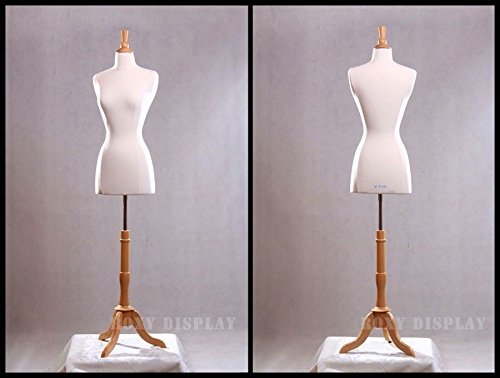
The first decision factor is determining whether your form is intended for construction or display. A construction-grade sewing dress form is built to withstand the rigors of pinning, tucking, and heavy fabric manipulation. These forms often feature a more substantial core and a surface that can take repetitive needle punctures without degrading. Conversely, a display-focused form prioritizes silhouette and visual appeal. While these are beautiful for showing off a gown in a storefront, they may lack the structural density required for intensive pattern drafting. If you plan to do heavy draping, prioritize a form with a high-density foam or fabric-covered core.
Anatomy of the Silhouette: Sizing and Proportions
One of the most common pitfalls in purchasing a mannequin is selecting a standard size that does not align with your actual work. Dress forms come in various sizing standards, including petite, average, and plus-size. However, even within a single size category, the 'bust-to-waist' ratio can vary significantly between brands. Before purchasing, check the specific measurements provided. If you are a professional, you might consider a form that closely mimics a specific body type you frequently dress. For those working with vintage patterns, look for forms with more traditional, structured proportions, whereas modern retail forms often lean toward more stylized, idealized silhouettes.
Adjustability and Feature Sets
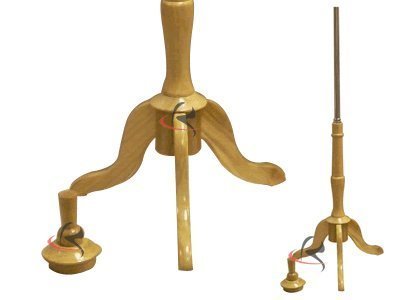
Advanced users should look for forms with adjustable features. Some high-end sewing forms offer adjustable neck, bust, and waist increments, allowing you to fine-tune the form to match a specific client's measurements. This level of customization is invaluable for bespoke tailoring. For those focused on retail, look for forms with detachable limbs or specialized necklines that allow for easier garment placement. Additionally, consider the base of the form. A heavy, stable tripod or pedestal base is essential to prevent the form from tipping over when you are draping heavy fabrics or working on the side of the mannequin.
Surface Material and Durability
The 'skin' of your dress form dictates how well you can work with it. Most quality forms feature a linen or polyester fabric covering. Linen is often preferred by traditionalists for its texture and ability to hold pins securely, while synthetic blends are easier to clean and more resistant to staining. Avoid forms with hard plastic shells if your goal is sewing. Plastic is nearly impossible to pin into, making it strictly a display tool. A high-quality fabric covering should feel taut and smooth, providing a consistent surface for your pins to bite into without slipping.
Aesthetic Integration
Finally, do not overlook the visual impact of the form. If the mannequin will be visible to your clients or customers, the stand material matters. Polished wood or matte metal finishes can elevate the look of a studio or a retail space. A form that looks professional and well-crafted adds an air of expertise to your workspace, making it an investment in your brand identity as much as it is in your sewing toolkit.