Understanding the Core Function: Display vs. Draping
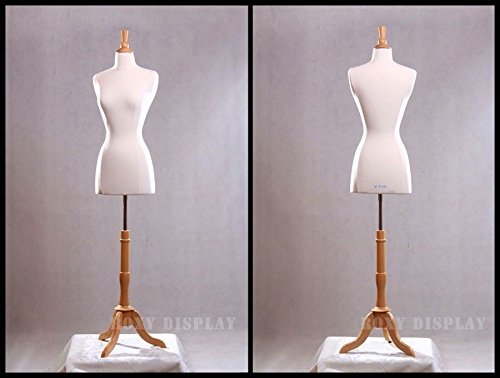
The first decision you must make is whether your primary goal is visual merchandising or technical pattern making. Display mannequins are optimized for aesthetics. They often feature smooth, polished finishes that highlight the silhouette of a finished garment. They are perfect for window displays or studio photography. However, if you are actively sewing, you require a draping mannequin. These models are built to withstand the repetitive stress of pinning fabric directly into the torso. Look for models that feature a pinnable surface—typically high-density foam or linen-wrapped padding—rather than hard plastic shells, which can cause pins to deflect or fabric to slip.
Anatomy and Silhouette Accuracy
Not all human forms are created equal, and your mannequin should reflect the demographic of your target clientele. When browsing Roxy options, pay close attention to the bust-to-waist ratio and the hip curvature. For high-fashion draping, a more stylized, elongated silhouette may be preferable to capture the 'runway look.' For commercial retail, a more standardized, realistic proportion ensures that customers can accurately visualize how a garment will fit a real person. Additionally, consider the 'stance' of the mannequin. A stable, upright stance is essential for heavy evening wear, while a more dynamic pose might be better suited for lifestyle photography.
Adjustability and Customization
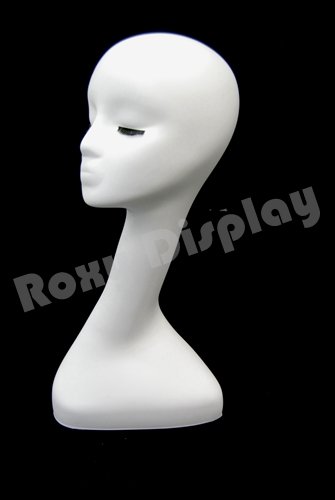
One of the most significant advantages of high-quality sewing mannequins is adjustability. Professional designers often look for models with adjustable bust, waist, and hip measurements. This allows you to fine-tune the form to match specific body types or to accommodate various layers of undergarments. If you are working with a wide range of sizes, a modular mannequin that allows for circumference adjustments is a worthwhile investment. Furthermore, check the neck and arm attachments. Some models offer removable limbs, which is incredibly helpful when you need to drape sleeves or work on complex neckline constructions without the interference of a head or arms.
Base Stability and Material Durability
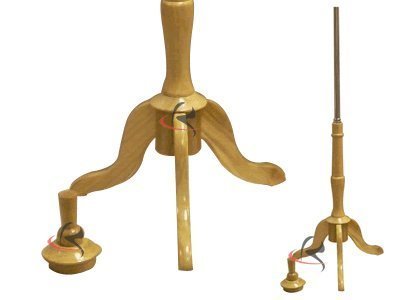
A mannequin is only as good as its foundation. If you are working with heavy fabrics like denim, wool, or beaded gowns, a lightweight plastic base will wobble and tip, potentially ruining your work. Look for heavy-duty metal bases—either tripod styles for mobility or circular weighted bases for maximum stability. The material of the torso itself is equally important. A linen-wrapped torso is the industry standard for sewing because it holds pins securely and provides a tactile surface that mimics skin density, helping you understand how fabric will react to body movement.
Final Recommendation Logic
To make your final selection, follow this logic: If you are a retailer, prioritize the aesthetic finish and the stability of the base to ensure the mannequin looks premium in a storefront. If you are a sewing enthusiast or professional designer, prioritize a pinnable, linen-wrapped surface and adjustable measurements. Always weigh the necessity of adjustability against your budget. While fixed-size mannequins are more affordable, the versatility of an adjustable form often provides better long-term value for growing design studios.