Prioritize Surface Material for Pinning
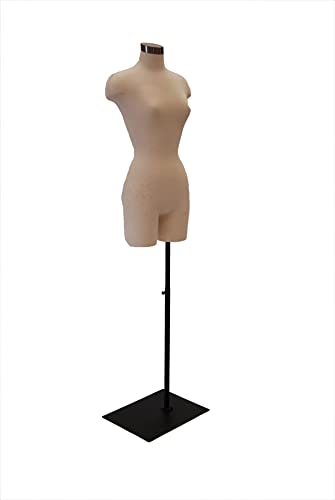
The most critical distinction in sewing mannequins is the surface texture. If you are primarily draping fabric or pinning patterns, you must avoid hard plastic or fiberglass shells. These materials will cause pins to bend or snap and offer zero resistance for structural shaping. Instead, look for models featuring high-density foam padding covered in a durable linen or cotton canvas. A high-quality fabric covering allows pins to be inserted anywhere on the torso, providing the stability needed to hold heavy fabrics or intricate pleats in place while you work. If you are using the mannequin strictly for garment display, a harder shell may suffice, but for true sewing applications, a pinnable fabric surface is non-negotiable.
Understanding Anatomical Accuracy and Sizing
Accuracy in measurement is the difference between a garment that fits a client and one that requires constant correction. When selecting a roxydisplay™ form, consider whether you need a standardized size (such as a specific US or European dress size) or a more adjustable approach. For professional tailors, a form that closely mimics human proportions—including realistic bust, waist, and hip curves—is essential for checking the 'hang' of a garment. If you work with a diverse clientele, you may need a series of forms representing different body types, as a single 'average' size often fails to capture the nuances of real-world silhouettes.
Base Stability and Height Adjustability
A mannequin is only as useful as its stability. A sewing form that wobbles when you apply pressure to the waist or shoulders will hinder your precision. Look for heavy-duty metal bases, such as tripod or circular pedestal styles, that provide a low center of gravity. Furthermore, since sewing often involves switching between sitting at a cutting table and standing to view a full-length gown, height adjustability is a key feature. A telescopic metal pole that allows you to raise or lower the torso will save you significant ergonomic strain during long design sessions.
Portability vs. Permanent Studio Setup
Your workspace constraints should dictate your choice of stand. If you operate out of a small home studio, a mannequin with a compact footprint and a lightweight (yet sturdy) base is preferable. However, if you have a dedicated atelier, you might opt for a more robust, heavy-duty professional form that stays stationary. Some models offer detachable limbs or modular components, which are excellent for displaying sleeves or complex necklines, but these can be more cumbersome to move. Decide early whether your mannequin needs to be a permanent fixture or a mobile tool that can be tucked away when not in use.
Maintenance and Longevity
Because sewing mannequins are subject to constant physical contact, the longevity of the fabric cover is paramount. Look for tightly woven fabrics that resist fraying from repeated pin insertions. Over time, even the best fabric will show wear. Choosing a model with a replaceable or easily cleanable cover can extend the life of your investment significantly. A well-chosen sewing mannequin should remain a steadfast partner in your creative process for years, maintaining its shape and structural integrity through countless fittings.