Understanding Lace Types and Textures
The first step in your selection process is identifying the specific style of lace required for your project. Lace generally falls into several categories: Chantilly, Guipure, Alençon, and Embroidered lace. Chantilly lace is prized for its fine, delicate feel and intricate floral patterns, making it ideal for overlays on evening gowns or lingerie. If you need something with more structural integrity and a three-dimensional feel, Guipure (or Venetian) lace is the better choice. Guipure lacks a mesh background, meaning the motifs are connected by heavy embroidery or cords, providing a striking, tactile effect. For projects requiring a classic, raised corded look, Alençon lace offers a sophisticated weight that holds its shape beautifully on bodices and veils.
Material Composition and Drape
The fiber content of the lace determines how it will behave under a needle and how it will hang on a body. Synthetic laces, typically made from nylon or polyester, are incredibly durable, colorfast, and often more affordable. They are excellent for high-wear items or garments that need to hold a crisp shape. However, natural fiber laces, such as those made from cotton, offer a much softer, matte finish that is highly sought after for vintage-style clothing and high-end home textiles. When choosing, consider the 'drape'—the way the fabric falls. A heavy, corded lace will stand away from the body, while a fine silk or nylon mesh lace will cling to curves. Always match the weight of the lace to the weight of your base fabric to prevent sagging or puckering.
Edge Finishes and Application Methods
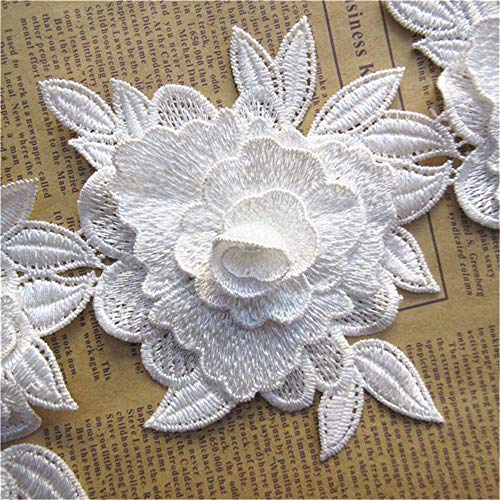
One of the most critical decision factors in sewing lace is the edge. Some laces come with a 'scalloped edge,' which features a decorative, wavy border that can be used as a hemline. This eliminates the need for a traditional folded hem, which can look bulky on sheer fabrics. Other laces feature a 'straight edge,' which is better suited for inserting into seams or using as a decorative strip between fabric panels. If you plan to use the lace as an appliqué, look for patterns with clear, distinct motifs that can be easily cut out and hand-stitched onto a garment. Pay close attention to whether the lace has a finished edge or if it will fray, as this will dictate whether you need to use a serger, a zigzag stitch, or manual embroidery to secure it.
Pattern Density and Scale
Finally, consider the scale of the pattern in relation to your project. A large-scale, bold floral pattern might be stunning on a wide skirt or a decorative pillow, but it can look overwhelming and disproportionate on a small sleeve or a collar. Conversely, very fine, micro-patterned lace can get lost on large-scale drapery. Before committing to a purchase, visualize the pattern repeat. If you are sewing a garment with seams, you will need extra lace to ensure that the patterns align symmetrically across the center front or at the side seams. This 'pattern matching' is the hallmark of high-quality dressmaking.