Understanding Grit Progression
The most critical factor in selecting sharpening stones is the grit rating. Grit refers to the number of abrasive particles per square inch on the stone's surface. When building a sharpening kit, you must think in stages. Coarse stones (typically 200 to 600 grit) are designed for heavy lifting: repairing chipped edges, reshaping a profile, or grinding down a completely dull blade. Medium stones (800 to 1,500 grit) are the workhorses used to establish a consistent bevel. Finally, fine to ultra-fine stones (3,000 to 8,000+ grit) are used for honing and polishing, removing the microscopic burr to create a razor-sharp edge. A common mistake is buying a single stone and expecting it to do everything; for professional results, you need a progression that moves from aggressive removal to refined smoothing.
Material Composition: Natural vs. Synthetic
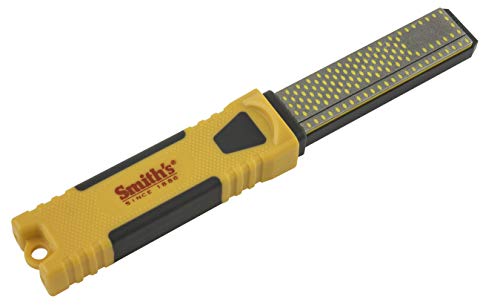
Sharpening stones generally fall into two camps: natural stones and synthetic stones. Natural stones, such as traditional Japanese waterstones harvested from the earth, are highly prized for their unique abrasive qualities and ability to produce an incredibly smooth edge. However, they can be inconsistent in hardness and often require significant preparation. Synthetic stones—including aluminum oxide, silicon carbide, and diamond plates—are the modern standard for reliability. Synthetic waterstones are affordable and predictable, making them ideal for most users. Diamond plates, on the other hand, are incredibly durable and stay perfectly flat, which is essential for maintaining the geometry of your blade over years of use. If you prefer speed and longevity, diamond or ceramic stones are superior; if you seek the pinnacle of traditional craftsmanship, natural stones are the path.
Stone Shape and Flatness Maintenance
The geometry of the stone matters as much as the grit. Traditional rectangular whetstones are the standard, providing a large surface area to work with. However, you must consider how you plan to maintain the stone's flatness. As you sharpen, stones naturally wear down in the center, creating a concave surface that will ruin your blade's edge angle. If you choose soft waterstones, you must invest in a flattening stone or a diamond flattening plate to keep the surface true. If you want a 'set it and forget it' experience, choosing harder synthetic or diamond plates will minimize the need for frequent flattening, though they may require a slightly different technique to prevent 'skating' across the steel.
Matching Stone to Steel Type
Not all steels are created equal, and your stone choice should reflect the hardness of your tools. High-carbon steels are generally easier to sharpen on traditional waterstones because they are more responsive to fine abrasives. Conversely, modern, highly hardened stainless steels can be quite stubborn. For these harder alloys, a coarser synthetic stone or a diamond plate is often more efficient at making progress. When selecting your kit, consider whether you are sharpening soft utility knives or high-end, high-HRC (Rockwell hardness) chef knives, and adjust your grit selection accordingly to ensure you aren't fighting the material.