Material Durability and Comfort
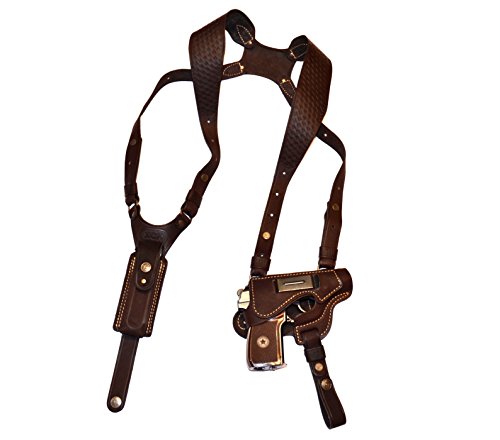
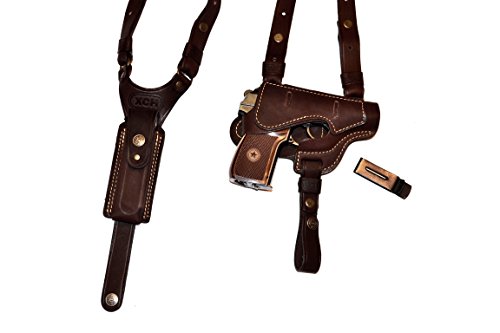
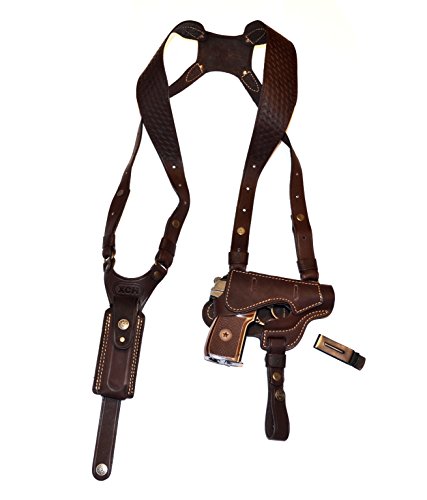
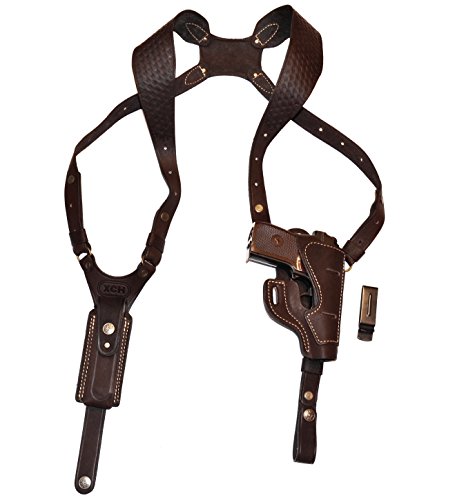
The material of your holster dictates both its lifespan and how it feels against your body. Traditional leather is the gold standard for many because it molds to the shape of your firearm over time, creating a custom-like fit. High-quality, full-grain leather offers a classic aesthetic that pairs well with professional attire, but it requires a break-in period. If you prefer a low-maintenance option, synthetic materials like Kydex or reinforced nylon are excellent choices. Kydex provides a rigid, 'click' retention that ensures the gun won't fall out, while nylon is lightweight and highly resistant to moisture, making it ideal for outdoor use or humid environments.
Fitment and Firearm Geometry
A shoulder holster is not a universal solution. The most critical factor is ensuring the holster is specifically designed for your firearm's dimensions. A holster that is too loose will allow the gun to wobble, making it difficult to draw smoothly and potentially causing it to snag on your clothing. Conversely, a holster that is too tight will make re-holstering an arduous task and may put unnecessary stress on the holster's straps. When shopping, look for models that offer adjustable retention or those specifically tailored to your firearm's grip length and slide profile. If you carry multiple different handguns, you may need to invest in a modular system or multiple dedicated holsters.
Adjustability and Weight Distribution
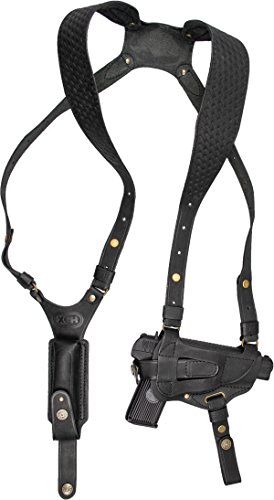
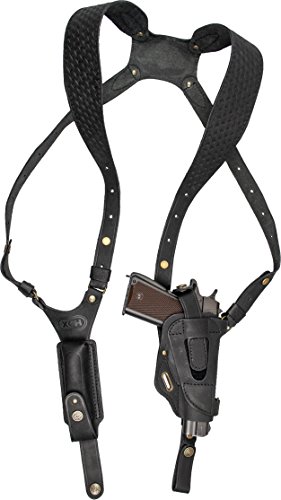
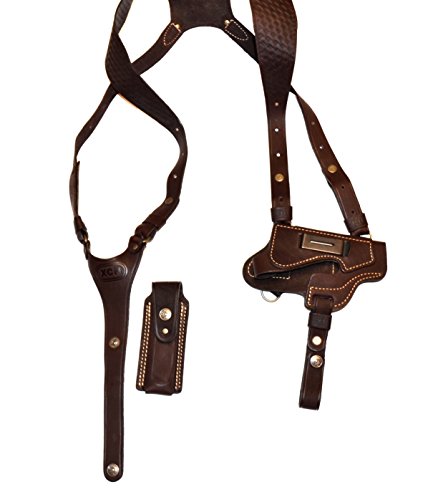
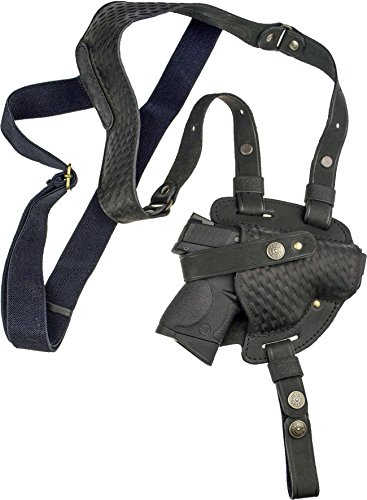
Because shoulder holsters rely on a harness system, the ability to adjust the straps is paramount. You need to be able to fine-tune the tension so the firearm sits at the correct angle—usually slightly forward of the armpit—to allow for a clear line of sight and an unobstructed draw. Look for harnesses with multiple adjustment points on the shoulder straps and the torso wrap. Furthermore, consider how the weight is distributed. A well-designed harness should spread the weight of the firearm across the shoulder and the opposite side of the ribcage, preventing the holster from pulling uncomfortably on one side of your neck.
Concealment and Clothing Compatibility
The primary goal of a shoulder holster is concealment. Consider the 'print' the holster will leave on your clothing. A bulky harness might be visible under a thin t-shirt, making it better suited for use under a sweater, flannel, or light jacket. If you frequently wear formal business attire, seek out slim-profile designs with minimal hardware. Additionally, pay attention to the placement of the magazine pouches. Some holsters integrate magazine carriers into the harness, which can add bulk. Others keep them separate or tucked lower to maintain a sleek silhouette. Your choice should align with your daily wardrobe to ensure that your carry remains discreet and professional.
Retention and Safety Features
Safety is non-negotiable. A quality shoulder holster must provide positive retention to prevent the firearm from shifting during movement. Look for features such as thumb breaks, friction-based retention, or even mechanical clips that lock the gun in place. A thumb break, in particular, adds an extra layer of security by preventing the gun from being drawn accidentally, though it requires a bit more practice to master the fluid motion of the draw.