Material Integrity and Corrosion Resistance
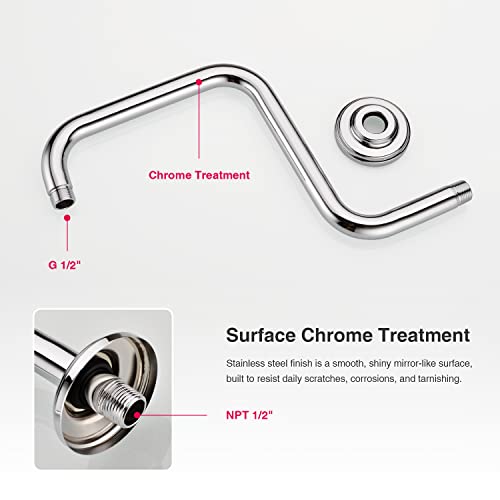
The most vital factor in selecting a shower arm is the material composition. Because these components are constantly exposed to high humidity and temperature fluctuations, they are prone to oxidation and mineral buildup. Look for solid brass construction whenever possible. Brass is inherently resistant to corrosion and provides a heavy, premium feel that prevents the arm from wobbling once installed. While stainless steel is a viable and durable alternative, avoid low-grade alloys that may flake or rust over time. The finish is equally important—ensure the coating is applied through a process like electroplating or PVD (Physical Vapor Deposition), which provides a much tougher barrier against hard water spots and scratches than standard spray coatings.
Compatibility and Connection Standards
Before purchasing, you must verify the threading standards of your existing plumbing. Most modern residential showers use standard NPT (National Pipe Thread) connections, but it is essential to ensure the arm you choose matches your shower head's interface. If you are upgrading to a handheld system, you will need to consider if the arm is designed to host a sliding bar or if it is a fixed extension. A sliding bar offers much more versatility, allowing users of different heights to adjust the shower head position vertically. If you are replacing an existing arm, measure the distance from the wall to the desired shower head position to ensure the new bar provides the reach you need to avoid hitting the wall during use.
Installation Type and Wall Mounting
Shower arms generally fall into two categories: exposed and concealed. An exposed arm is the most common, where the pipe is visible and connects directly to the wall outlet. These are generally easier to install and replace. However, if you are doing a full bathroom renovation, you might consider integrated bar systems that offer a more streamlined, architectural look. When evaluating mounting hardware, check if the arm includes a flange or escutcheon plate. A high-quality flange will sit flush against your tile or wall, covering the hole where the pipe enters the wall and providing a clean, professional finish that prevents water from seeping behind the tiles.
Aesthetic Integration and Style
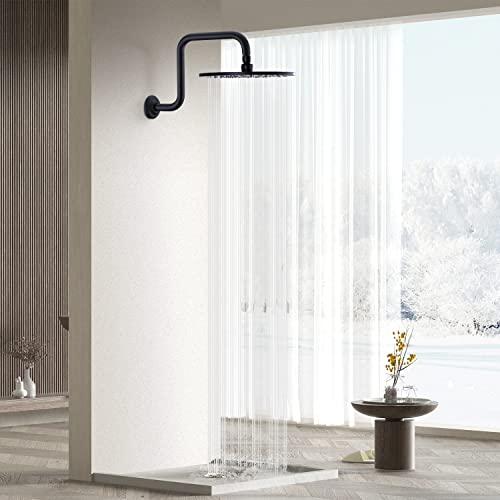
Your shower arm should not look like an afterthought. It should complement your existing fixtures. If you have a matte black faucet, a chrome shower arm will create a jarring visual clash. Aim for a unified design language. For minimalist, modern bathrooms, look for straight, sleek lines with hidden mounting points. For traditional or farmhouse-style bathrooms, more ornate or curved arms can add a touch of character. Pay close attention to the thickness of the bar. A thicker, more substantial arm often communicates higher quality and stability, whereas very thin arms may feel flimsy and prone to bending under the weight of larger, rainfall-style shower heads.
Weight Capacity and Stability
If you plan on using a large rainfall shower head, the arm must be able to support the extra weight without sagging. Large-diameter heads exert significant leverage on the wall connection point. When shopping, prioritize arms that feature reinforced joints and thick-walled tubing. A stable arm ensures that the water flow remains consistent and that the shower head doesn't tilt or vibrate uncomfortably while you are showering. Always check the weight rating if the manufacturer provides it, especially when moving toward oversized luxury fixtures.