#TOP1

Incorporating brown shrub plants into your landscape design offers a sophisticated, earthy aesthetic that provides structure and visual weight, especially during the transition between seasons. While many gardeners focus on vibrant greens and florals, brown-toned shrubs—ranging from deep bronze foliage to woody, architectural stems—provide a neutral backdrop that makes other colors pop. When purchasing these plants via seeds, you are embarking on a journey of patience and precision. Unlike buying established nursery stock, growing shrubs from seed requires an understanding of germination requirements, dormancy periods, and the long-term structural intent of your garden. This guide will help you navigate the nuances of selecting the right seed varieties to achieve a professional, textured look.
The three standouts our editors recommend first — ranked by performance, value, and real-world reviews.


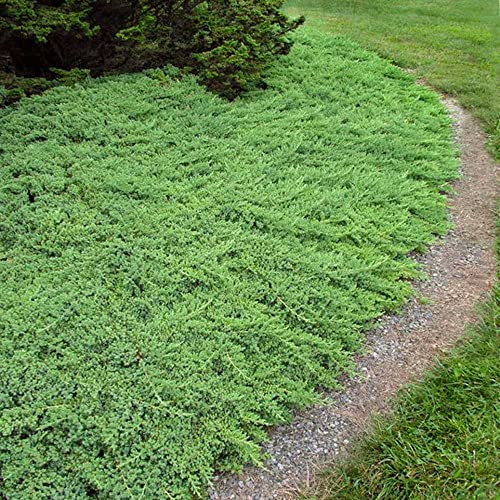
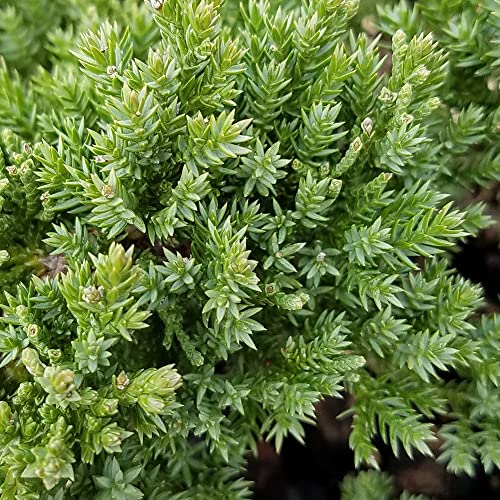
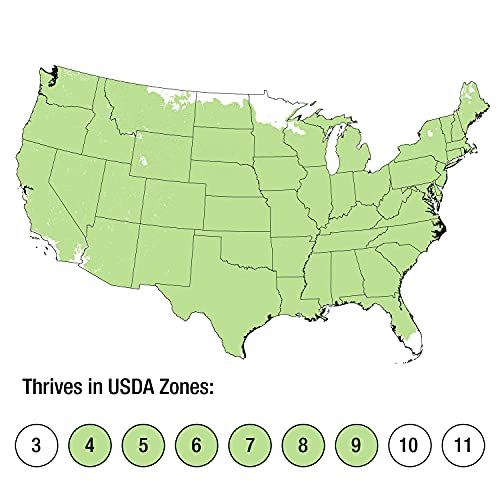
Procumbens Nana Juniper (2.5 Quart) Low-Growing Evergreen Groundcover Shrub - Bonsai Tree Live/Desk Plants Live Houseplants - Zen Garden Ecosphere
| SELLER | SELLER SCORE | AMAZON FULFILLED | PRIME | FREE SHIPPING |
|---|---|---|---|---|
| No | No | No |
Imagine stepping into your backyard to find a lush, blue-green carpet filling the gaps between your stones without the headache of invasive weeds taking over. This Procumbens Nana Juniper is a total game-changer for anyone wanting a dense, low-growing groundcover that stays manageable at just six inches to a foot tall. I found it incredibly versatile. You can let it sprawl across a garden bed or treat it as a beginner-friendly bonsai project since it takes to wiring and pruning so well. It’s a hardy little conifer that handles heat, salt, and urban pollution like a champ. Just remember to be gentle with your pruning—avoid cutting all the tips at once to keep that foliage vibrant and healthy.

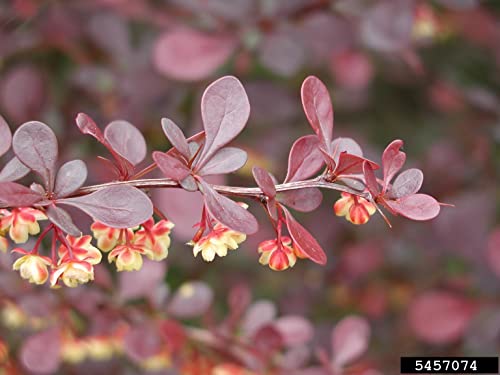


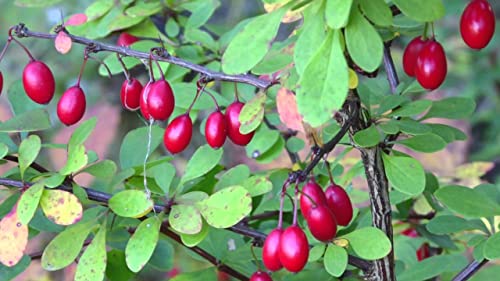
15 Japanese Barberry Seeds for Planting Berberis thunbergii Thunberg's Barberry red Barberry
| SELLER | SELLER SCORE | AMAZON FULFILLED | PRIME | FREE SHIPPING |
|---|---|---|---|---|
| The Rike | 6.79 | No | No | No |
After weeks of planning my spring garden layout, I finally decided to incorporate these Japanese Barberry seeds into my landscaping project. This Berberis thunbergii variety is a powerhouse for ornamental interest, offering deeply grooved, spiny branches that add incredible texture to any lawn or patio area. I am particularly excited about the seasonal transition, moving from the pale yellow, umbrella-shaped flower clusters in early summer to the glossy, bright red berries that persist through the winter. The small, spatula-shaped leaves provide a lush foundation, and because this species is so widely recognized for its adaptability in temperate climates, it feels like a reliable choice for adding both structure and a pop of color to the garden.


Shrub Brown Turkey, 1 Gallon, Dark Purple Figs
| SELLER | SELLER SCORE | AMAZON FULFILLED | PRIME | FREE SHIPPING |
|---|---|---|---|---|
| No | No | No |
Most gardeners assume a single harvest is the limit for fruit-bearing shrubs, but the Brown Turkey fig defies that expectation by flourishing twice a year. This deciduous powerhouse is a true statement piece for any landscape, eventually reaching an impressive scale of up to 30 feet wide and high. While you will see the foliage drop during the winter months, the spring regrowth is incredibly vigorous. It is a hardy choice for a wide range of climates, spanning USDA zones 6a through 10a. If you have the space to accommodate its mature footprint, the reward is a steady supply of robust, dark purple figs that make the seasonal maintenance well worth the effort.


Hughes Juniper - 30 Live Plants - Drought Tolerant Cold Hardy Evergreen Ground Cover
| SELLER | SELLER SCORE | AMAZON FULFILLED | PRIME | FREE SHIPPING |
|---|---|---|---|---|
| Florida Foliage | 9.47 | No | No | No |
Most gardeners settle for high-maintenance greenery that dies the moment a heatwave hits or a frost settles in, but the Hughes Juniper offers a much more resilient alternative. This slow-growing evergreen is a powerhouse for low-water landscapes, spreading up to eight feet with a dense, flat-topped habit that eliminates the need for extra filler plants. I love how the silver-blue foliage shifts to a stunning light purple during the winter, providing year-round visual interest even in extreme cold down to -40°F. Whether you are cascading it over stone walls or using it as a tough, urban-ready groundcover, its ability to thrive in sandy soil and resist deer makes it a nearly foolproof addition to any rock garden or xeriscape.


Votaniki Starter Plant Fruiting Red Nanking Cherry Trees Live Plants - Dwarf Cherry Tree Tart Cherry Fruit Tree Bush Cherry Plants Live Dwarf Fruit Tr...
| SELLER | SELLER SCORE | AMAZON FULFILLED | PRIME | FREE SHIPPING |
|---|---|---|---|---|
| No | No | No |
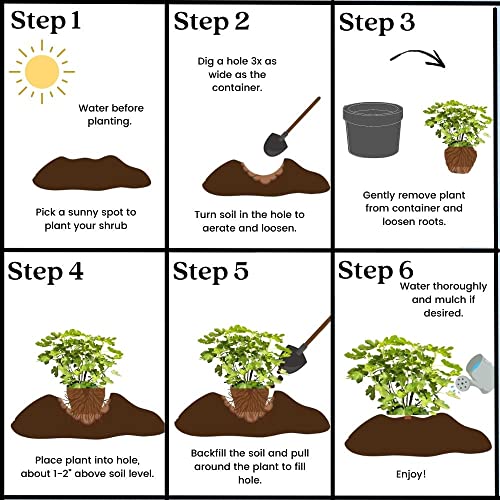
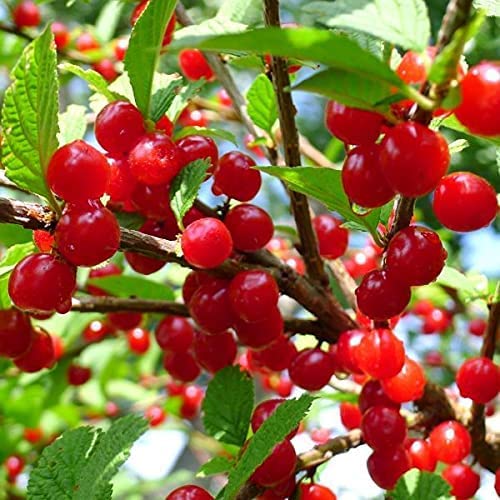
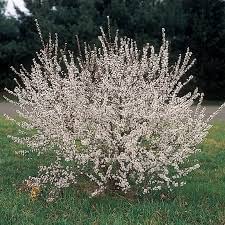
The Votaniki Nanking Cherry is a premier choice for gardeners seeking year-round visual interest and edible rewards. These 18-24 inch seedlings transform into vibrant shrubs that offer soft pink spring blossoms, scarlet summer fruit, and striking red bark in the autumn. I love how versatile they are. You can use their dense branching for a privacy hedge or a windbreak, yet they remain small enough to enjoy as a bonsai or accent plant. To ensure a successful harvest of these tart, snackable cherries, remember that you must plant at least two trees within 100 feet of each other for cross-pollination. Just provide them with six hours of full sun and some compost-enriched soil, and you'll have a hardy, productive addition to your landscape.


QAUZUY GARDEN 50 Cornus Mas/Cornelian Cherry Dogwood/Cornelian Cherry Seeds Non-GMO Heirloom Fruit Tree/Shrub/Bush Seeds to Plant Home Garden Easy Gro...
| SELLER | SELLER SCORE | AMAZON FULFILLED | PRIME | FREE SHIPPING |
|---|---|---|---|---|
| JOYFUL KING | 8.87 | No | No | No |
QAUZUY GARDEN’s Cornus Mas seeds are a top-tier choice for heirloom gardeners looking to add architectural interest and edible rewards to their landscape. These non-GMO, untreated seeds produce a striking deciduous shrub or small tree that can reach impressive heights of up to 12 meters. I love how this plant offers a dual seasonal benefit. You get vibrant clusters of yellow flowers in late winter or early spring, followed by delicious red fruits. It is a fantastic way to engage children in science and agriculture through hands-on fruit picking. Just be prepared for a bit of patience, as the germination process can take up to 15 months depending on your stratification method, whether you choose a cold or warm cycle.

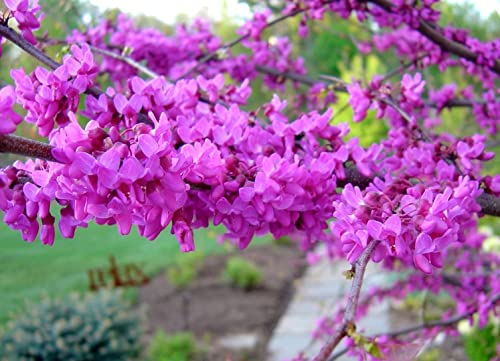


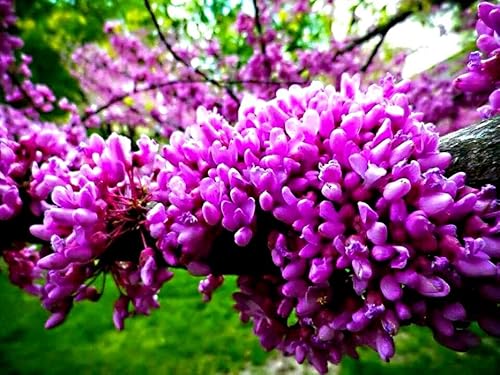
Chinese Redbud Tree Cercis Chinensis Bonsai Shrub 15 Seeds Non-GMO
| SELLER | SELLER SCORE | AMAZON FULFILLED | PRIME | FREE SHIPPING |
|---|---|---|---|---|
| Prime Day Supply | 7.65 | Yes | Yes | Yes |
Can a single spring bloom transform your entire patio landscape? The Chinese Redbud is a stunning ornamental deciduous tree that offers a much deeper, more saturated purplish-pink flower color than its many competitors. I love how the blossoms often emerge before the heart-shaped, dark-green leaves even appear, creating a dramatic seasonal transition. Whether you are aiming for a full-sized garden feature reaching 15 feet or a delicate bonsai, these non-GMO seeds provide incredible versatility. Just keep in mind that these aren't 'set it and forget it' seeds. You will need to commit to a 6-8 week process of soaking and cold stratification to break through that hard outer coat. It is a rewarding project for anyone looking to add autumn yellow foliage and unique winter seedpods to their collection.

When searching for 'brown' shrubs, it is essential to distinguish between different types of pigmentation. Some species offer bronze or copper-toned foliage that remains consistent throughout the growing season, while others feature woody stems that provide color during the winter months. If you are looking for foliage-driven color, look for seeds labeled with descriptions such as 'bronze,' 'burgundy,' or 'copper.' These plants often provide a striking contrast against traditional green lawns. If your goal is architectural interest in a dormant garden, prioritize species known for their unique bark or twig color. Deciding between a plant that is brown in leaf versus a plant that is brown in structure will dictate whether your garden looks lush in summer or sculptural in winter.
Growing shrubs from seed is significantly more complex than growing annual flowers. You must consider the 'strike rate'—the likelihood that the seed will actually germinate. Some shrub species require 'stratification,' a process of simulating winter temperatures to break seed dormancy, while others may require scarification to soften a hard seed coat. When selecting seeds, look for reputable suppliers that specify germination rates and provide detailed instructions on pre-treatment. Additionally, consider the growth habit: do you want a spreading, ground-covering shrub to create a dense thicket, or an upright, columnar shrub to act as a privacy screen? Knowing the mature width and height is crucial, as seed-grown plants can sometimes grow more vigorously than stunted nursery specimens.
A brown shrub that thrives in a Mediterranean climate may perish in a frost-heavy region. Always cross-reference the seed variety with your specific hardiness zone. Furthermore, the 'brown' aesthetic is often found in plants that prefer specific soil chemistry. For instance, many shrubs with dark, reddish-brown foliage thrive in slightly acidic soils. If your garden has heavy clay or sandy soil, you must select seeds for varieties that are documented to tolerate those specific drainage levels. A mismatch between seed type and soil composition will result in stunted growth and a loss of the desired color intensity.
Choosing to buy seeds rather than potted plants is a decision based on scale and budget. If you are looking to transform a large acreage or create a massive hedge, seeds are the most cost-effective method. However, the recommendation logic here is simple: buy seeds if you have the patience for a multi-year establishment period and the space to manage young, vulnerable seedlings. If you require an immediate visual impact for a completed landscape, seeds may not be the right choice. For the strategic gardener, however, starting from seed allows for a more diverse selection of rare or heirloom varieties that are rarely found in local garden centers, giving your landscape a unique, custom-tailored character.
Quick answers about Brown Shrub Plants before you buy.
Share of top-ranked products by brand, from our editorial analysis.
We've carried out a comprehensive analysis of 62 reviews on Brown Shrub Plants, using our selection criteria to identify the best options in the gardening & lawn care. Our findings reveal that most customers typically select Brown Shrub Plants priced around $30.88.
Our team of expert editors reviewed these high-quality items and handpicked the top 7 Brown Shrub Plants for your consideration..
We are dedicated to assisting our users in finding the right seeds Products based on their needs, saving them considerable time when choosing which Brown Shrub Plants to buy. We take pride in the number of satisfied users we've helped through our thorough and insightful reviews.
Compare the top 7 picks at a glance — select a column to sort.


