PickSmartly Review

Best Tuber Shrub Plants in 2026

5.2 PM Score
Products Evaluated
3
Reviews Analyzed
15
Brands Ranked
2
We independently evaluate all recommended products and services. If you click on links we provide, we may receive compensation.

Growing a lush, perennial garden from scratch requires more than just a handful of surface-level seeds. It requires an understanding of the complex life cycles of tuberous shrubs. Unlike annual wildflowers that bloom once and fade, tuberous shrubs rely on underground energy storage organs—tubers, rhizomes, or corms—to survive dormancy and fuel explosive seasonal growth. When you choose to grow these via seed, you are essentially embarking on a long-term horticultural investment. You aren't just planting a flower. You are cultivating a perennial structure that will return year after year, provided you select the right genetic stock and understand the specific needs of tuber-forming species.

Linda's Baby Dahlia - 5 Gallon Size Bare Root Tuber

Marde Ross & Company Linda's Baby Dahlia Tuber

MARDE ROSS & COMPANY 6.00 X 4.00 X 3.00 Inches 0.30 Pounds
  • Linda's Baby Dahlia - 5 Gallon Size Bare Root Tuber
  • Plant 1 tuber per pot, the crown must be just above the soil. Or plant in ground.
  • 80 days from planting until bloom.
  • Non GMO
  • Marde Ross & Company has been a Licensed California Nursery since 1985.
SELLER SELLER SCORE AMAZON FULFILLED PRIME FREE SHIPPING
Marde Ross & Company 9.16 Yes Yes Yes

Imagine walking into your garden just eighty days after planting and being greeted by the sudden, vibrant burst of a Linda's Baby Dahlia bloom. This bare root tuber from Marde Ross & Company is a dream for gardeners who want quick results without the long wait. Whether you choose to sink it directly into your garden beds or settle it into a five-gallon pot, the process is straightforward as long as you keep the crown just above the soil line. Because these are non-GMO and come from a licensed California nursery with decades of expertise, you can trust the quality of the root you are handling. It is an efficient, reliable way to add immediate color to your patio or lawn setup.

What We Like
Eighty-day bloom cycle
Non-GMO tubers
Versatile planting options
Licensed nursery quality

Labyrinth Lady Dahlia - 5 Gallon Size Bare Root Tuber

Marde Ross & Company Labyrinth Lady Dahlia Tuber

MARDE ROSS & COMPANY 0.44 Pounds
  • Labyrinth Lady Dahlia - 5 Gallon Size Bare Root Tuber
  • Plant 1 tuber per pot, the crown must be just above the soil. Or plant in ground.
  • 80 days from planting until bloom.
  • Non GMO
  • Marde Ross & Company has been a Licensed California Nursery since 1985.
SELLER SELLER SCORE AMAZON FULFILLED PRIME FREE SHIPPING
No No No

Serious garden enthusiasts looking to transform a standard flower bed into a high-impact floral spectacle need the Labyrinth Lady Dahlia in their planting rotation. This bare root tuber from Marde Ross & Company, a licensed California nursery with decades of expertise, offers an impressively fast turnaround, moving from planting to bloom in just about 80 days. Whether you choose to plant it directly in the ground or in a 5-gallon pot, the process is straightforward as long as you keep the crown just above the soil line. Because these are non-GMO, you can feel confident about the biological integrity of your garden. It is a reliable, fast-growing choice for anyone who wants dramatic color without waiting an entire season for results.

What We Like
Fast 80-day bloom
Non-GMO tubers
Licensed nursery stock
Versatile planting options

QAUZUY GARDEN 10 Manihot Esculenta Seeds, Cassava, Manioc, Yuca, Tapioca Seeds - Organic Heirloom Seeds - Perennial Highly Nutritious Woody Shrub Plan...

QAUZUY GARDEN Organic Heirloom Cassava Seeds

QAUZUY GARDEN 2.00 X 2.00 X 1.00 Inches

Reviews for QAUZUY GARDEN (PM Score)

1.1 PM Score
Buy on Amazon
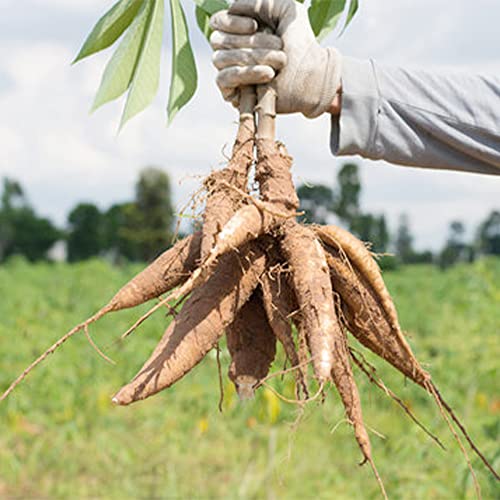
  • USDA Hardiness Zone. Cassava is a milky-sapped tropical shrub that grows to 6-10' tall in 8-12 (USDA).
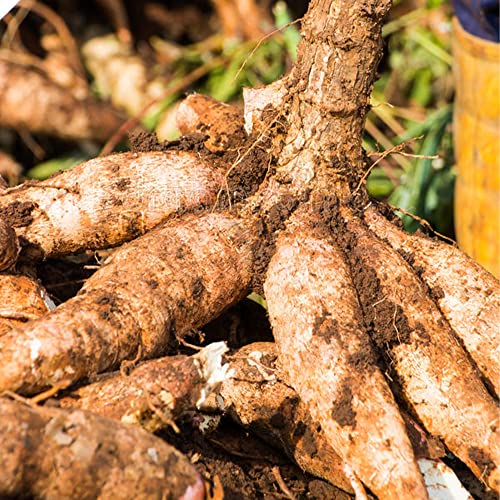
  • Edible. The roots are often boiled or roasted and sometimes turned into flour and the leaves, once boiled, are edible too. The tuber is also used to produce tapioca pearls which are commonly used to make puddings.
  • Easy to grow. Whether you are a beginner or have a green thumb, you can grow these perennial shrub from seeds easily and enjoy them freely.
  • Sow. Soak seeds in water for 10-12 hours. After germination, cut the outer skin of the seeds with a knife and sow them on the border. The row spacing is 50 cm, the plant spacing is 33 cm, and 1-2 seeds are planted in each hole, cover with soil after sowing.
  • Sun. Although cassava plants produce their best harvest if they get extended exposure to sunlight, intense direct sunlight can cause leaf burn. In these instances, a partial shade environment would be better.
SELLER SELLER SCORE AMAZON FULFILLED PRIME FREE SHIPPING
JOYFUL KING 8.87 No No No

Serious homesteaders looking to add high-calorie, versatile staples to their landscape need these QAUZUY GARDEN Manihot Esculenta seeds immediately. This isn't just a garden filler. It is a functional, woody perennial shrub that can reach heights of up to ten feet. I love that you can utilize almost the entire plant, from the starchy tubers used for tapioca to the edible boiled leaves. Growing them is surprisingly straightforward if you follow the soaking protocol, though you do need to be mindful of sun exposure to prevent leaf burn. Whether you are aiming for roasted roots or homemade flour, these heirloom seeds offer a rewarding, multi-purpose harvest for anyone with a tropical or warm climate garden.

What We Like
Organic heirloom seeds
Edible roots and leaves
Perennial woody shrub
Easy to grow
High nutritional value
Buying Guide

A Guide to Selecting the Best Tuber Shrub Seeds

A Guide to Selecting the Best Tuber Shrub Seeds

Understanding Seed Viability and Germination Rates

When purchasing seeds for tuberous shrubs, the most critical factor is the germination probability. Because these plants must develop a robust underground storage organ before they can reach maturity, the initial seedling stage is delicate. Look for seed packets that specify high germination percentages and, more importantly, provide clear instructions on 'stratification' or 'scarification.' Many tuberous species, such as certain varieties of Peonies or specialized woody shrubs, require a period of cold, moist conditions to mimic winter before they will trigger growth. If a seed supplier provides detailed technical data regarding the days-to-germination, it is a strong indicator of seed freshness and genetic vigor.

Climate Compatibility and Hardiness Zones

Tuberous shrubs are notoriously sensitive to soil temperature and moisture levels. Before selecting your seeds, you must cross-reference the plant's preferred hardiness zone with your local microclimate. Some tuberous shrubs thrive in Mediterranean climates with dry summers, while others require consistent humidity to prevent the tubers from shriveling. If you are growing in a region with harsh winters, ensure the seeds belong to a species capable of true dormancy. You need to know whether the resulting tuber will be able to withstand frost deep in the soil or if you will be required to lift and store the tubers indoors during the winter months.

Growth Habit and Mature Scale

A common mistake among novice gardeners is selecting seeds based solely on the beauty of the flower without considering the eventual woody structure of the shrub. Tuberous shrubs can range from compact, mound-forming perennials to large, sprawling woody specimens that can reach several feet in height and width. Consider your garden's spatial constraints. If you are planting in containers or raised beds, look for 'dwarf' or 'compact' varieties. If you are looking for privacy screening or structural interest in a landscape, prioritize species known for their vigorous rhizomatous spread.

Soil Drainage and Nutrient Requirements

The success of a tuberous plant is almost entirely dependent on the health of its underground storage system. Seeds that produce plants with high nutrient demands will require frequent organic amendments. However, the most vital factor is drainage. Tuberous plants are highly susceptible to bulb rot if the soil becomes waterlogged. When selecting your seeds, research whether the species prefers slightly acidic soil or alkaline conditions, and whether it requires high-phosphorus feeding to encourage the development of large, healthy tubers. A plant that struggles to establish a tuber in its first year will likely never reach its full ornamental potential.

Recommendation Logic: How to Choose

To make the best decision, follow this hierarchy: First, select based on your hardiness zone to ensure survival. Second, prioritize germination reliability—choose suppliers who offer detailed botanical data. Third, match the growth habit to your physical garden space. Finally, assess the maintenance level. If you are a beginner, avoid high-maintenance species that require complex lifting/storing cycles, and instead opt for hardy, self-sustaining tuberous shrubs that can remain in the ground year-round.

Ready to choose?

Jump back to our ranked picks or compare the shortlist side by side.

Frequently Asked Questions

Quick answers about Tuber Shrub Plants before you buy.

Generally, planting established tubers yields faster results, but seeds are excellent for gardeners looking to introduce unique varieties or expand their collection cost-effectively.

These plants thrive in well-draining, loamy soil rich in organic matter. Avoid heavy clay, as sitting in water can cause the developing tubers to rot.

Most varieties perform best in full sun to partial shade. At least six hours of direct sunlight helps the plant develop strong root systems and vibrant blooms.

Germination times vary by species, but most tuberous plants typically sprout within two to four weeks when kept in warm, moist conditions.

Yes, many varieties are perfect for container gardening, provided you use a pot with excellent drainage holes to prevent moisture buildup.

Keep the soil consistently moist but not waterlogged during the germination phase. Once established, allow the top inch of soil to dry slightly between waterings.

A balanced, slow-release fertilizer applied once the plant is established is usually sufficient. Avoid excessive nitrogen, which can promote foliage at the expense of tuber development.

Most tuber-producing shrubs are perennials, meaning they will return year after year if their tubers are protected from extreme frost or if they are lifted and stored during winter.
Research & Insights

Our Analysis of Tuber Shrub Plants

15 Reviews Analyzed
3 Products Evaluated
3.4 Avg PM Score
2 Brands Ranked

Top 10 Tuber Shrub Plants Brands on Amazon

Share of top-ranked products by brand, from our editorial analysis.

  1. 01 Marde Ross & Company 2 (66.7%)
  2. 02 Qauzuy Garden 1 (33.3%)

What Our Analysis Found

We've carried out a comprehensive analysis of 15 reviews on Tuber Shrub Plants, using our selection criteria to identify the best options in the gardening & lawn care. Our findings reveal that most customers typically select Tuber Shrub Plants priced around $17.48.

Our team of expert editors reviewed these high-quality items and handpicked the top 3 Tuber Shrub Plants for your consideration..

We are dedicated to assisting our users in finding the right seeds Products based on their needs, saving them considerable time when choosing which Tuber Shrub Plants to buy. We take pride in the number of satisfied users we've helped through our thorough and insightful reviews.

Side by Side

Comparison Table

Compare the top 3 picks at a glance — select a column to sort.