Blade Profile and Cutting Geometry
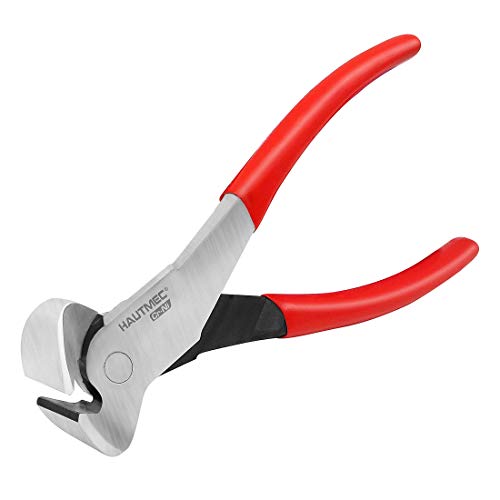
The most critical component of any side cutting plier is the blade. The geometry of the cutting edge determines how much force is required to shear through a material and how much 'crush' occurs during the process. For precision electrical work, look for blades that are ground at a sharp angle to minimize the compression of copper strands. If you are working with thicker gauge wire or small nails, you will want a more robust, heavy-duty blade profile. Pay attention to whether the blades are flush-cut or bevel-cut. Flush-cut pliers are designed to leave a perfectly flat surface, which is essential for electronics and circuit board work, whereas bevel-cut pliers provide more strength for heavier-duty applications but leave a slight protrusion.
Material Hardness and Edge Durability
A common frustration with entry-level pliers is the rapid dulling of the cutting edges. High-quality side cutters undergo specialized heat treatment processes to increase the Rockwell hardness of the steel. When selecting your pliers, consider the primary material you will be cutting. If you are frequently working with hardened steel wire, standard carbon steel blades will fail quickly. Look for forged steel construction with induction-hardened edges. This ensures that the blades maintain their sharpness even after hundreds of repetitive snips, preventing the 'burring' effect that happens when dull blades try to mash through wire rather than slicing it.
Handle Ergonomics and Grip Type
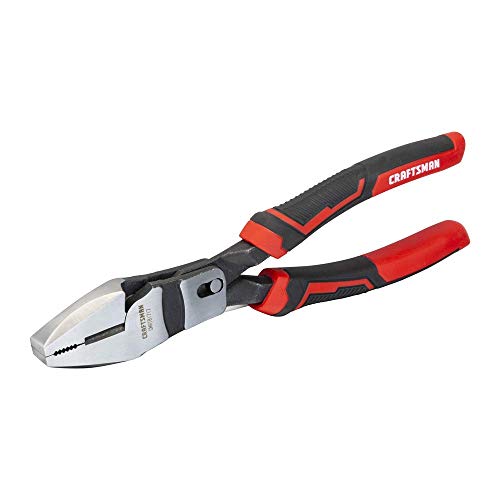
Since side cutting pliers require significant hand pressure to shear through tough materials, the handle design is a major factor in user fatigue. Most modern iterations feature dual-material grips—usually a combination of hard plastic and soft, non-slip rubber. For precision work, a slimmer handle allows for better tactile feedback and control. For heavy-duty tasks, look for larger, contoured handles that distribute pressure across the palm of your hand. Additionally, ensure the pivot point of the pliers is smooth. A stiff pivot can lead to uneven cutting force, while a loose pivot will cause the blades to misalign over time, destroying the tool's effectiveness.
Size and Application Specificity
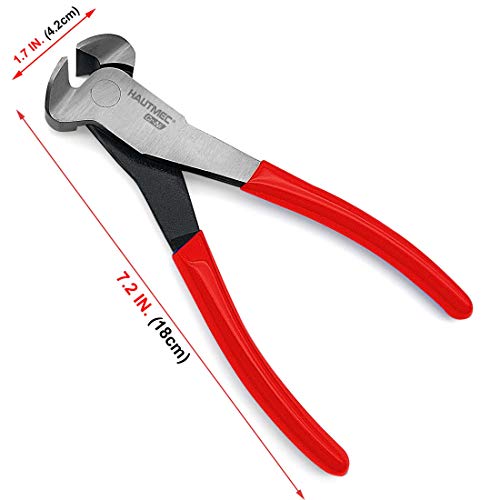
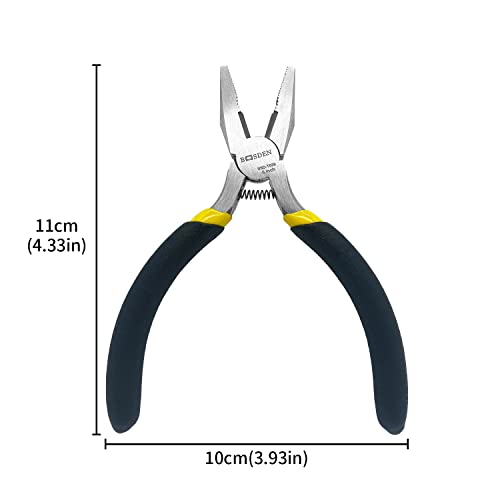
One of the biggest mistakes DIYers make is attempting to use a single pair of pliers for every task. Side cutters come in various lengths, typically ranging from 4 inches for precision electronics to 8 inches or more for heavy-duty electrical work. A smaller tool offers superior maneuverability in tight spaces, such as inside a junction box or a computer chassis, but lacks the leverage needed for thick cables. A larger tool provides the mechanical advantage necessary for heavy wire, but it is cumbersome in confined areas. We recommend a tiered approach: a small, precision pair for delicate work and a medium-sized, robust pair for general household and electrical maintenance.
Maintenance and Longevity
To get the most out of your pliers, consider how they are finished. Corrosion-resistant coatings can prevent rust, especially if you work in humid environments like basements or garages. Always check the pivot area. A well-designed tool will have a tightened pivot that doesn't wobble, which is essential for maintaining the alignment of the blades during a cut. Investing in a pair with a high-quality finish and a tight tolerances will ensure your tools remain a reliable part of your kit for years to come.