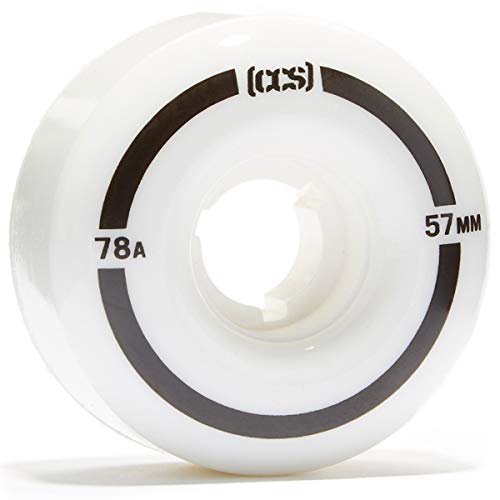
Understanding Durometer: The Hardness Factor
The most critical specification you will encounter is durometer, which measures the hardness of the urethane. This is typically expressed on a scale from 78A to 101A+. Harder wheels (higher numbers) are designed for technical street skating. They offer less grip, which allows for easier slides, power slides, and technical tricks on ledges and rails. However, they can feel 'chattery' or vibrate intensely on rough asphalt. Softer wheels (lower numbers) provide more 'grip' and shock absorption. These are ideal for cruising, longboarding, or riding on uneven surfaces where you want the wheel to absorb the bumps rather than bounce off them. If you want to pop tricks on smooth park concrete, go hard. If you want a smooth commute, go soft.
Diameter and Roll Speed
The diameter of the wheel, measured in millimeters, dictates your ride height and your potential top speed. Smaller wheels (typically 50mm to 54mm) are the standard for technical street skaters. They keep the center of gravity low, making the board more responsive and easier to flip, and they are lighter for technical maneuvers. Larger wheels (56mm to 60mm+) are favored by transition skaters, bowl riders, and cruisers. Larger wheels carry more momentum, meaning once you get them spinning, they stay spinning longer, and they roll over cracks and pebbles with much greater ease. The trade-off is that larger wheels add weight and can make the board feel slightly less 'flickable' during flip tricks.
The width of the wheel, often measured in millimeters, determines the 'contact patch'—the amount of urethane actually touching the ground. A wide wheel provides a larger surface area, which translates to increased stability and grip. This is excellent for high-speed carving or riding deep in a bowl. Conversely, a narrower wheel reduces friction, making it easier to initiate slides and reducing the weight of the setup. Most street skaters prefer a medium-to-narrow width to balance control with the ability to slide, while cruisers and bowl riders lean toward wider profiles for stability.
Core Construction and Shape
Beyond the urethane, the internal structure matters. Most high-quality wheels feature a nylon or hard plastic core. This core provides structural integrity and prevents the wheel from deforming under heavy pressure. The shape of the wheel—ranging from conical to wedge or traditional round—also affects performance. A conical shape provides a wider contact patch for stability, while a traditional round shape is optimized for predictable sliding. When choosing, consider if you prioritize a predictable, grippy feel or a loose, slide-heavy sensation.
Summary Recommendation Logic
To make your final decision, follow this logic: If you are a street skater focusing on technical flip tricks and ledge grinds, prioritize high durometer (99A+) and a smaller diameter (52-54mm). If you are a transition or park skater looking for speed and flow, look for a slightly larger diameter (56mm+) and a medium-hard durometer. If you are a cruiser or commuter, prioritize low durometer (78A-85A) and a large diameter (60mm+) to ensure a smooth ride over urban debris.