Understanding Deck Construction and Concave
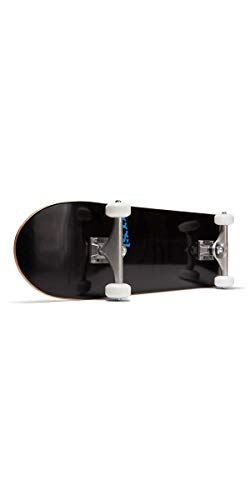
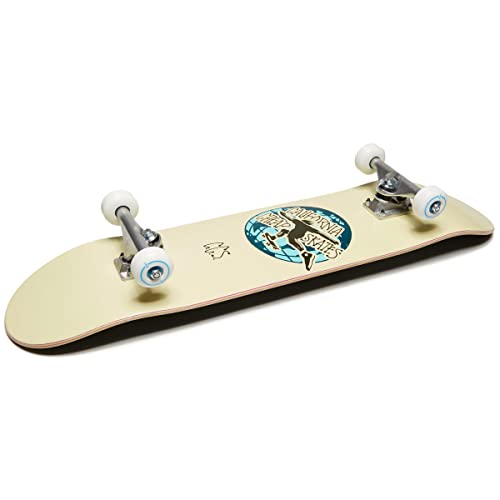
The deck is the soul of your skateboard. Most professional-grade decks are constructed from seven plies of North American maple, laminated together to provide a balance of 'pop' and durability. When evaluating a deck, pay close attention to the concave—the longitudinal curve of the board from edge to edge. A mellow concave offers a more stable platform, which is ideal for beginners or those focused on long-distance cruising. Conversely, a steep or aggressive concave provides better leverage for technical tricks, allowing your feet to find grip during complex rotations. Additionally, consider the width. A narrower deck (7.75" to 8.25") is easier to flip for street skating, while a wider deck (8.25" and up) provides a more stable landing platform for transition and bowl riding.
The Role of Trucks and Turning Geometry
Trucks are the metal T-shaped components that allow you to steer. They are the most critical mechanical element of your setup. The height of the truck—ranging from low to high—will dictate your center of gravity and how much 'lean' you can achieve. Low trucks are preferred by technical street skaters for stability during landings, whereas high trucks are often favored by those riding ramps or bowls to allow for deeper, more carving-intensive turns. Ensure that the width of your trucks matches the width of your deck. Mismatched trucks can lead to an unstable ride or an awkward foot placement that hinders your ability to control the board.
Wheel Hardness and Rebound
Wheels are often overlooked, but they are the primary factor in how your ride feels on different surfaces. Wheel hardness is measured on the 'Durometer' scale. Hard wheels (99a and above) are the standard for street skating and skateparks. They offer minimal friction, allowing for easy slides and predictable behavior on smooth concrete. However, they can feel jittery and harsh on rougher asphalt. If your goal is commuting or cruising, look for softer wheels (78a to 87a). These act as shock absorbers, smoothing out cracks and pebbles, providing a much more comfortable ride at the expense of being harder to slide.
Bearing Speed and Durability
Bearings are the small metal rings located inside your wheels that allow them to spin. While high-speed bearings are a significant marketing draw, the most important factor is the quality of the shield and the lubrication. For daily use, you want bearings that can handle dust and debris without seizing. If you are a casual rider, standard ABEC-rated bearings are perfectly sufficient. For more aggressive skating, look for specialized bearings designed to maintain speed under high pressure. Remember, the quality of your bearings will dictate how much effort you have to exert to maintain momentum.
Matching Setup to Riding Style
The final decision factor is the synergy of all these parts. A technical street skater needs a narrow, hard deck, hard wheels, and low trucks. A cruiser needs a wider, stable deck, soft wheels, and potentially wider trucks for stability. A transition skater needs a medium-width deck, medium-hardness wheels, and high trucks for carving. Before purchasing, identify your primary environment—street, park, or sidewalk—and ensure every component is optimized for that specific terrain.