Understanding Scale and Detail Fidelity
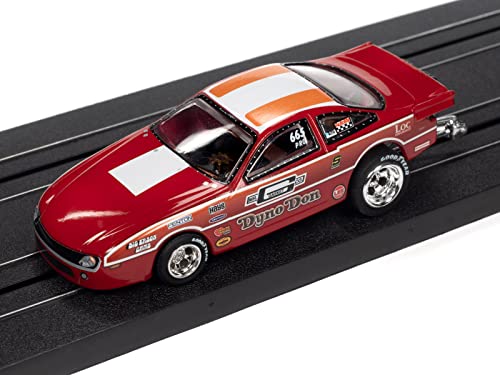
The first decision factor in selecting AW Auto World slot cars is the scale. Most high-end slot cars operate within specific dimensions that dictate how much detail can be packed into the body. When browsing this category, look for models that prioritize 'scale realism.' This means the proportions of the chassis, the curvature of the fenders, and the placement of the cockpit should mimic the real-world counterpart. For collectors, the value often lies in the paint finish and the crispness of the decals. A premium slot car will feature multi-layered paint jobs that resist chipping during high-speed maneuvers and decals that are seamlessly integrated into the bodywork rather than looking like stickers applied to a surface.
Chassis Construction and Weight Distribution
While the body captures the eye, the chassis determines the win. A common mistake is choosing a car based solely on its visual appeal while ignoring its center of gravity. In slot car racing, weight is a double-edged sword. A car that is too light will fly off the track during high-speed turns, while a car that is too heavy will struggle with acceleration and put excessive strain on the motor. Look for models with adjustable weight distribution systems. High-quality slot cars often allow you to move small weights within the chassis to fine-tune how the car handles specific track layouts, such as technical, twisty circuits versus long, high-speed straights.
The heart of any slot car is its electric motor. When evaluating AW Auto World selections, consider the type of motor provided. Some models are geared toward 'drag racing' styles, offering explosive torque for quick starts, while others are designed for 'endurance racing,' providing consistent, smooth power delivery. Check if the motor is replaceable or upgradable. A modular design is a significant advantage for enthusiasts who want to tune their cars for specific race conditions. Additionally, examine the gearbox. A well-built gearbox should operate quietly and smoothly, with minimal friction between the gears to prevent energy loss and overheating during extended racing sessions.
Tire Compound and Grip Levels
The interface between the car and the track is the most critical point of contact. Slot cars rely on specialized rubber compounds to maintain traction in the grooves of the track. When selecting your cars, pay attention to the 'shore hardness' or the softness of the tires. Softer tires provide immense grip, allowing for much higher cornering speeds, but they tend to wear down faster. Harder tires are more durable and better suited for beginners or long-duration club races. If you are serious about competition, look for models that allow for easy tire changes or those that come with multiple sets of varying compounds to suit different track surfaces.
Compatibility and Customization Potential
Finally, ensure that the slot cars you are selecting are compatible with your existing track system. While many models follow standardized dimensions, subtle differences in guide blade width or pickup shoe length can cause issues. Beyond mere compatibility, consider the 'tinker factor.' The best slot cars for enthusiasts are those that can be disassembled easily for cleaning and maintenance. A car that allows for easy access to the wiring, motor, and guide blade will save you hours of frustration and extend the lifespan of your collection significantly.