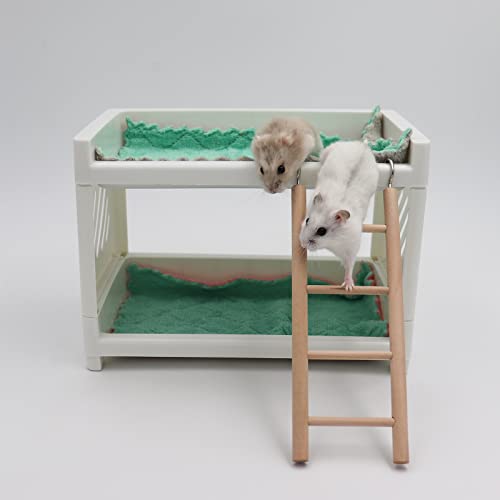
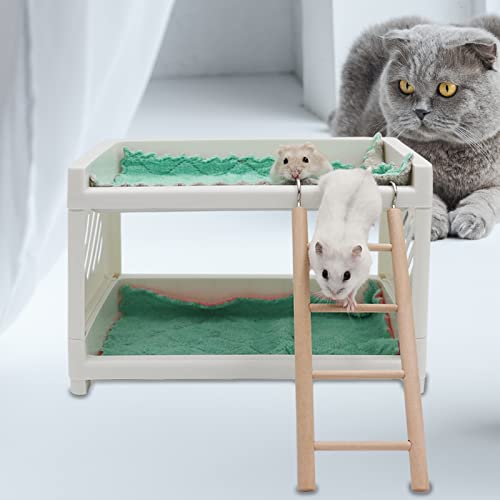
Prioritize Species-Specific Thermoregulation
The most critical factor in selecting a bed for a reptile is how it interacts with your enclosure's heat gradient. Reptiles are ectothermic, meaning they rely on their environment to regulate body temperature. If you are looking for a 'bed' in the traditional sense—something soft and insulating—you must ensure it does not trap too much heat or, conversely, create a cold sink that prevents your pet from reaching its preferred basking temperature. For desert species like bearded dragons, look for materials that can absorb and hold ambient heat without becoming dangerously hot. For tropical species like crested geckos or small amphibians, the bed should ideally assist in maintaining localized humidity rather than absorbing it and becoming a mold risk.
Material Safety and Longevity
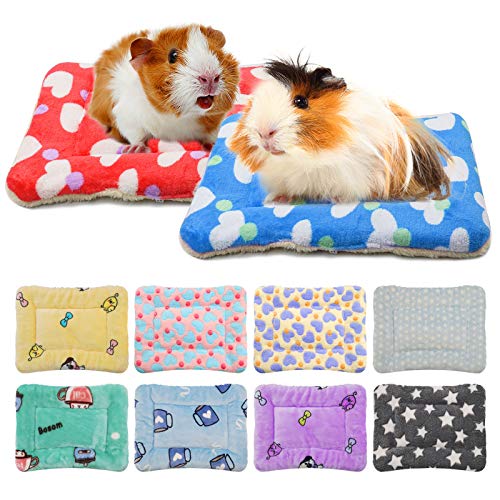
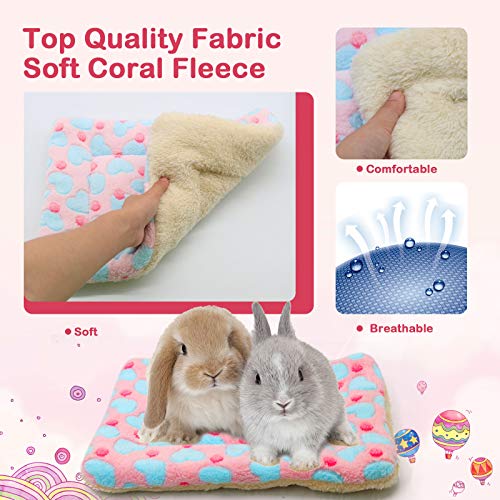
When selecting materials, you must look beyond aesthetics. Many soft beds designed for mammals use synthetic fibers, foams, or dyes that can be toxic if a reptile attempts to ingest them or if they off-gas in a heated enclosure. Avoid beds with loose threads, heavy stuffing, or small decorative elements that could pose a choking or impaction hazard. For many small reptiles, natural materials like cork bark, coconut fiber, or specialized reptile-safe fabrics are superior. If you opt for a plush-style bed for a highly docile species, ensure the fabric is non-toxic and can withstand the high humidity levels often found in bioactive setups without decomposing rapidly.
Humidity and Moisture Management
For humidity-loving species, the 'bed' often functions as a microclimate. If you choose a hide-style bed, consider whether the material will hold moisture. A bed made of heavy fabric might become damp and stay wet for long periods, which can lead to bacterial growth or skin infections for your pet. Conversely, some owners prefer 'humidity hides'—specialized enclosures that act as a bed while providing a damp environment. If your pet requires high humidity, look for materials that are easy to wipe down or rinse, such as smooth resins, ceramics, or treated natural woods, rather than absorbent textiles.
Size, Scale, and Security
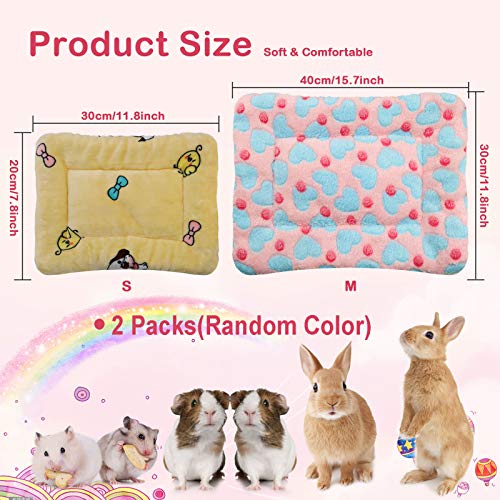
A bed should provide a sense of enclosure. For many small reptiles, a bed that is too large can actually cause anxiety, as it offers no protection from perceived predators. The ideal bed should allow the animal to feel 'tucked in.' When measuring, ensure there is enough room for the animal to turn around and adjust its position, but not so much space that they lose the benefit of a concentrated microclimate. For climbing species, beds should be integrated into the vertical space—think hollowed logs or textured coconut shells that can be wedged into corners—rather than just sitting on the substrate.
Cleaning and Maintenance Protocols
Reptile enclosures require frequent cleaning to manage waste and prevent pathogen buildup. A bed that is impossible to sanitize is a liability. If you are choosing a soft bed, check if it is machine washable and if the material can withstand frequent laundering. For hard-shell or natural wood beds, ensure they can be scrubbed with reptile-safe disinfectants without losing their structural integrity. A bed that becomes a breeding ground for bacteria because it is difficult to clean is one of the most common mistakes new reptile keepers make.