Understanding Flex Ratings and Riding Styles
The most critical decision factor in any snowboard boot is the flex rating. DC Shoes typically offers a range of stiffness levels to accommodate different skill sets. If you are a beginner or a freestyle enthusiast who loves hitting rails, jumps, and buttering through transitions, you should prioritize a soft to medium flex. A softer boot allows for more lateral movement and forgiveness, meaning if your foot isn't perfectly positioned, the boot won't punish you immediately. Conversely, if you are an aggressive freerider or a carving specialist, you need a stiff boot. A stiffer chassis provides immediate energy transfer from your legs to the edges of your board, ensuring that your movements are translated into precision turns in high-speed situations.
Lacing Systems and Lockdown
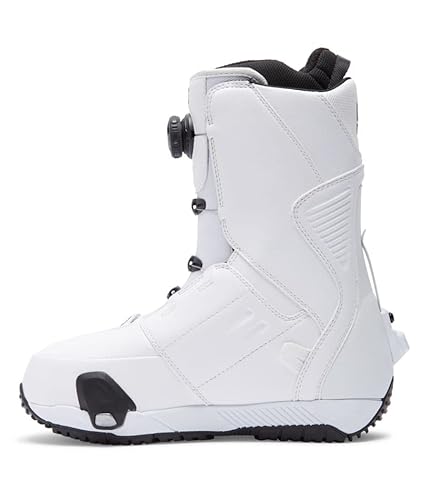
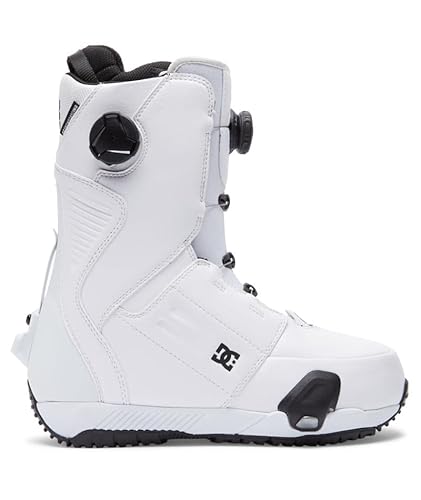
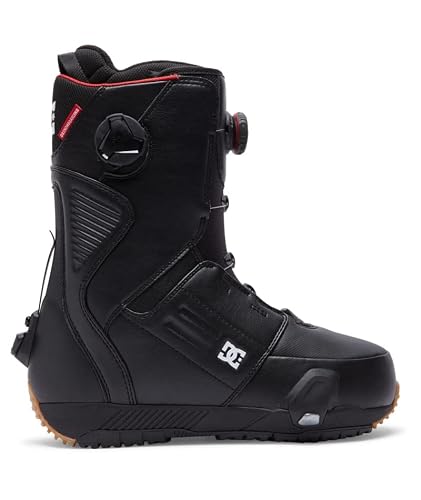
How you secure your boot dictates how much control you have over your equipment. DC Shoes utilizes several different lacing technologies. Traditional lace-up boots offer a highly customizable fit, allowing you to adjust tension at specific zones of the foot, which is excellent for riders with unique foot shapes. However, many modern riders prefer BOA systems or speed-lacing configurations. These systems provide a consistent, even pressure across the top of the foot and allow for micro-adjustments mid-run without having to sit down and re-tie laces. When choosing, consider whether you value the granular customization of traditional laces or the rapid, high-tension security of mechanical dial systems.
Internal Lining and Thermal Regulation
Snowboarding is an endurance sport, and cold feet can end a session prematurely. Look closely at the internal liner technology. High-quality DC boots often feature heat-moldable liners, which allow you to custom-shape the interior to your specific foot anatomy for a bespoke fit. Furthermore, pay attention to insulation levels. While a thicker, more insulated boot is great for cold climates, it can sometimes sacrifice the 'feel' of the board. For those riding in variable temperatures, look for boots that balance moisture-wicking materials with effective thermal linings to ensure your feet stay dry and warm without becoming overly bulky.
Outsole Traction and Durability
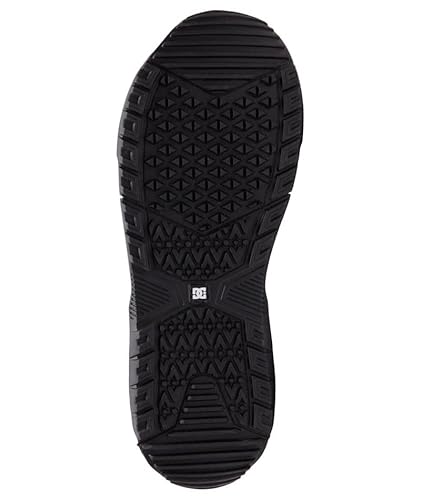
The time you spend walking from the lodge to the lift matters just as much as the time spent on the snow. A high-quality outsole with aggressive lug patterns provides necessary grip on icy parking lots and slippery boardwalks. Additionally, consider the construction of the toe cap and heel cup. DC's heritage in skate culture often translates to reinforced high-wear areas, which is a massive advantage in snowboard boots that endure constant lateral stress and impact. A durable outsole and reinforced upper will extend the lifespan of your investment, ensuring your boots can handle multiple seasons of heavy use.
Fit and Volume Considerations
Finally, never ignore the importance of volume. A boot might be the right length, but if it is too voluminous for your foot, you will experience 'heel lift,' which kills board control. If your foot is narrow, look for boots with high-density foam padding that can be compressed. If you have a high instep, ensure the lacing system allows for enough vertical expansion. Always try on boots with the specific thickness of snowboard socks you intend to wear, as even a millimeter of difference can change the entire feel of the boot.