Material Composition and Durability
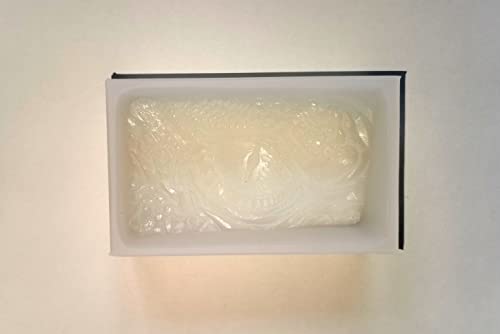
The primary decision factor in soap mold selection is the material. Most high-quality molds in this category are crafted from high-grade silicone. Silicone is the industry standard because it is non-porous, heat-resistant, and possesses the flexibility required to 'pop' a soap bar out without cracking the edges. When browsing, look for platinum-cured silicone if possible, as it offers superior longevity and is less likely to react with the high pH levels found in cold process soap. Avoid rigid plastics for complex shapes, as they often lead to broken corners during the unmolding process. A good silicone mold should feel substantial—not flimsy—to ensure it holds its shape when filled with heavy soap batter.
Complexity of Detail and Surface Finish
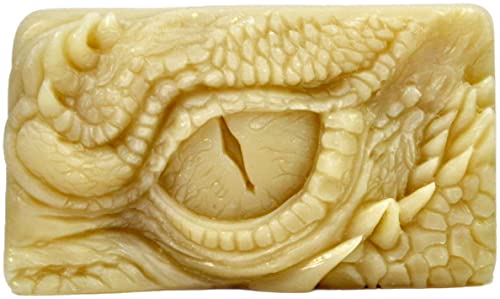
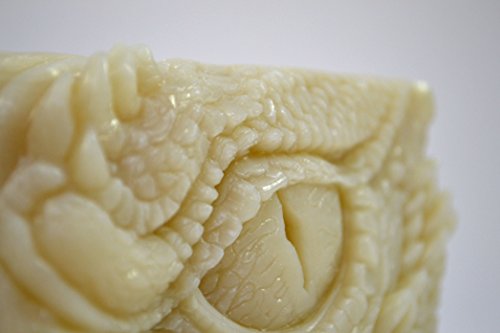
If your goal is to create artisanal soaps with intricate patterns, floral textures, or geometric precision, you must evaluate the depth and sharpness of the mold's details. High-definition molds feature crisp ridges and deep recesses that capture every nuance of the design. However, keep in mind that higher complexity often means a higher difficulty level during unmolding. If a mold has many tiny crevices, you may need to use more release agents or spend more time carefully peeling the silicone away. For beginners, smoother, larger-surface molds are more forgiving, while advanced crafters can leverage highly detailed molds to create 'wow-factor' centerpiece soaps.
Volume and Capacity Requirements
Before purchasing, calculate the volume of soap you intend to produce per batch. Molds come in various configurations: single large loaf molds for cutting multiple bars, multi-cavity molds for individual guest soaps, or specialized small molds for embeds and decorations. If you are running a small business, multi-cavity molds are more efficient for consistent production. If you are a hobbyist, a single large loaf mold provides the most versatility, as you can slice it into various thicknesses. Always check the internal dimensions to ensure the mold accommodates the specific weight of your recipe, as different soap bases have varying densities.
Ease of Maintenance and Cleaning
Soap making can be a messy process, especially when dealing with lye or colorful swirls. A quality mold should be easy to sanitize. Look for seamless designs. Molds with many joints or seams can trap soap residue and bacteria, making them difficult to clean thoroughly. Silicone is naturally easy to wash with warm soapy water, but you should ensure the mold is thick enough to withstand repeated washing and occasional sterilization without losing its shape or becoming tacky.
Recommendation Logic
When deciding which mold to add to your collection, follow this hierarchy: First, identify your method (Melt-and-Pour vs. Cold Process). Second, determine your desired output (Individual bars vs. Loaf slices). Third, match the detail level to your skill. If you are just starting, prioritize a sturdy, medium-detail silicone loaf mold. As your confidence grows, invest in highly detailed, specialty-shaped molds to differentiate your brand and artistic style.