Material Quality and Silicone Grade
The most critical factor in selecting a soap mold is the quality of the silicone. High-quality silicone molds should be flexible enough to allow for easy de-molding—preventing those frustrating moments where a soap bar snaps or tears upon removal—yet firm enough to maintain their shape when filled with heavy liquid oils and lye. Look for food-grade or high-density silicone, as these tend to be more resistant to the caustic nature of lye. A superior mold will have a smooth, non-porous interior surface, which ensures that your soap comes out with a professional, polished finish without unnecessary pitting or texture issues.
Design Complexity and Detail Retention
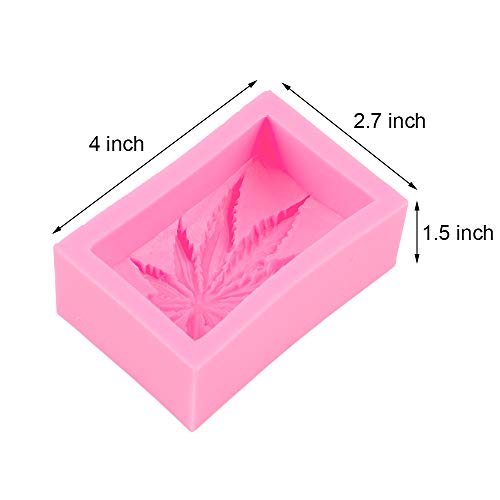
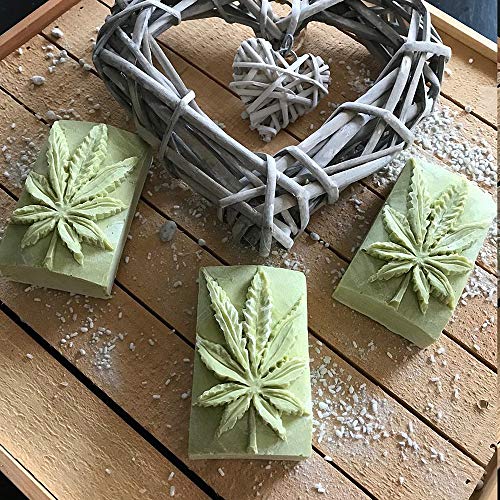
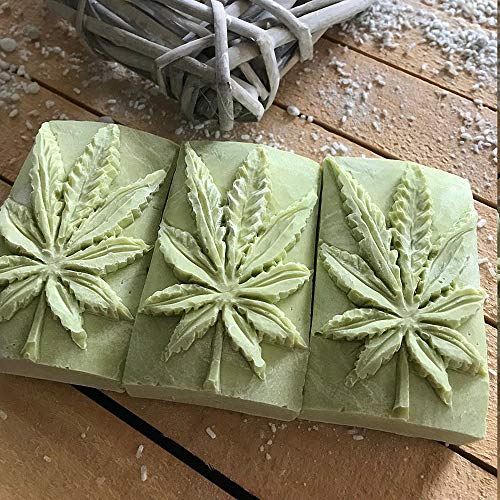
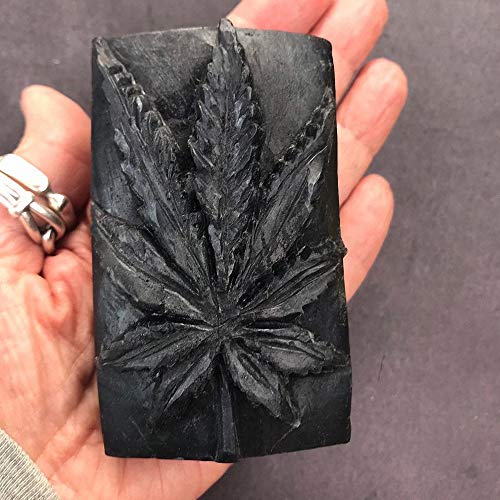
When choosing between a simple rectangular loaf mold and a highly detailed decorative mold, consider your intended use. If you are practicing swirl techniques or layering colors, a smooth-walled loaf mold is your best friend, as it provides a clean canvas for your artistry. On the other hand, if you are creating themed soaps for seasonal events, look for molds with intricate geometric patterns or organic shapes. High-end silicone molds are engineered to capture fine details, such as delicate floral textures or crisp edges, which can significantly increase the perceived value of your handmade products. Always check if the mold's design allows for easy cleaning, as intricate crevices can trap soap residue if not properly designed.
Capacity and Batch Sizing
Before purchasing, calculate your typical batch size. Some molds are designed as individual cavity molds, which are perfect for creating small, uniform guest soaps or travel-sized bars. These are excellent for beginners because they allow you to test different scents or colors in small quantities without wasting ingredients. Conversely, larger loaf molds are more efficient for producing standard bars in bulk. If you are looking to scale your production, investing in larger-capacity molds or multi-cavity trays will save you significant time in the pouring and cutting stages. Consider the volume of the mold to ensure it aligns with the amount of soap batter you typically prepare to avoid overflow or wasted material.
Durability and Heat Resistance
Soap making often involves temperature fluctuations, especially when working with the heat generated by the exothermic reaction of lye and oils. A reliable mold must be able to withstand these temperature shifts without warping or degrading. Look for molds that are specifically noted for their thermal stability. Furthermore, consider the longevity of the product. A mold that is too thin may tear over time, whereas a thick-walled silicone mold will provide better insulation and a much longer lifespan, making it a more cost-effective investment in the long run.
Ease of Maintenance and Storage
Finally, consider how the mold fits into your workspace. Silicone is generally easy to clean, but molds with complex shapes require more attention. Look for designs that are easy to rinse and dry. Additionally, since silicone is highly flexible, look for molds that can be stacked or stored compactly to save space in your crafting area. A good mold should be easy to handle, even when it is heavy with liquid soap, providing a secure grip to prevent spills during the pouring process.