Material Composition: Silicone vs. Hard Plastic
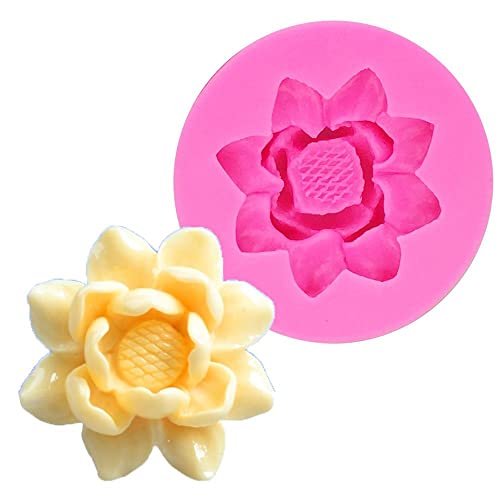
The most fundamental decision in selecting a mold is the material. Most modern soap makers gravitate toward high-quality, food-grade silicone. Silicone is favored because of its incredible flexibility, which allows for a seamless release of even the most intricate designs without tearing the soap. It is also highly resistant to temperature fluctuations, making it ideal for the exothermic reaction of cold process soap. However, silicone is generally more expensive than hard plastic.
Hard plastic molds, often used for loaf shapes, are excellent for beginners who want a rigid structure. They are easier to clean and stack, but they lack the 'give' required for complex 3D shapes. If you are making simple rectangular bars, a rigid mold is sufficient. If you are aiming for botanicals, swirls, or sculptural figures, silicone is non-negotiable.
Complexity and Detail Level
When browsing molds, you must distinguish between 'smooth' molds and 'detailed' molds. Smooth molds are perfect for layered soap designs where you want the color transitions to be the star of the show. They are also much easier to clean and maintain.
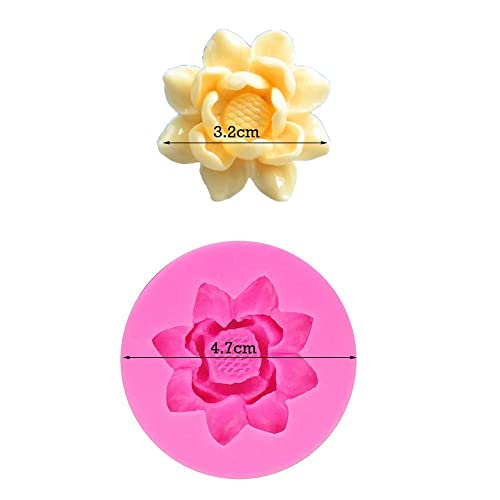
Detailed molds, which feature intricate patterns like flowers, geometric textures, or character faces, require more skill. While they produce visually stunning results that look professional on a shelf, they come with a learning curve. You may need to use mold release agents or adjust your soap recipe to ensure a higher superfat content, which helps the soap 'slip' out of the tiny crevices. Always check the depth of the detail. Shallow patterns are easier to manage, while deep, high-relief designs require patience and precise pouring.
Capacity and Batch Sizing
A common mistake is purchasing molds based solely on visual appeal without calculating volume. You must consider how much soap batter your recipe produces. If your mold is too small, you will waste expensive oils and lye. If it is too large, you may struggle to achieve a consistent cure.
For those looking to sell their products, look for 'loaf molds' that can be sliced into multiple uniform bars. A single large loaf mold is often more efficient for production than several small individual cavity molds. For gift-giving or sample sets, individual cavity molds (such as spheres, hearts, or hexagons) are ideal, but they increase the labor time required for unmolding and cleaning.
Ease of Maintenance and Durability
Soap making can be a messy process. Lye is a caustic substance that can degrade lower-quality materials over time. When selecting a mold, look for high-density silicone that feels substantial rather than flimsy or paper-thin. Thin silicone is prone to tearing when you try to peel it away from a hardened soap bar. Additionally, consider how easy the mold is to sanitize. Molds with deep, narrow crevices can trap soap residue, which can lead to bacterial growth or discoloration in future batches. A mold that is dishwasher safe (or at least heat-resistant enough for hot soapy water) is a significant advantage for long-term use.