Understanding Material Strength and Grades
The 'Class 10' designation often refers to the strength profile required for the application. When shopping for these screws, your primary focus must be on the tensile strength and yield strength of the material. Most high-performance socket cap screws are manufactured from alloy steel that has undergone heat treatment to reach specific hardness levels. You must ensure that the screw meets the necessary property classes (such as those defined by ISO or SAE standards) to prevent the fastener from stretching or snapping under torque. If your application involves high vibration, look for fasteners that offer high fatigue resistance, which is a hallmark of premium alloy steel socket heads.
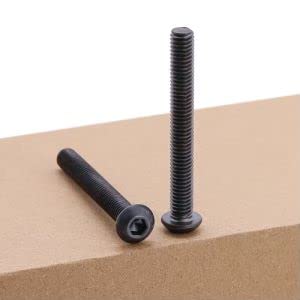
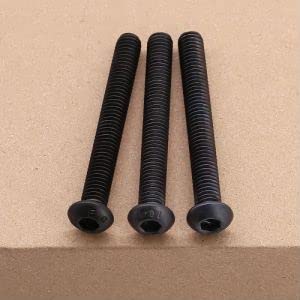
The defining feature of a socket cap screw is the internal drive, usually a hexagonal (hex) socket. However, not all drives are created equal. The precision of the hex cutout determines how much torque you can apply before the tool slips and 'rounds out' the head. For heavy-duty industrial use, prioritize screws with tight tolerances in the drive geometry. A well-machined socket allows for maximum torque transfer, which is critical for achieving the correct preload in a Class 10 assembly. While hex is the standard, always verify that your existing toolset (Allen keys or hex bits) matches the metric or imperial sizing of the screw to avoid stripping the head during installation.
Corrosion Resistance and Surface Finishes
The environment in which the screw operates is just as important as the mechanical load. A high-strength alloy steel screw is susceptible to oxidation unless it is properly coated. Common finishes include black oxide, zinc plating, and phosphate coatings. Black oxide provides a low-reflectivity finish and moderate corrosion resistance, making it popular in oil-lubricated environments. Zinc plating offers superior protection against rust in standard atmospheric conditions. If you are working in marine or highly acidic environments, you may need to look toward specialized coatings or stainless steel alternatives, though be aware that switching to stainless steel may change the strength class of the fastener.
Head Style and Clearance Requirements
While the standard cylindrical head is the most common, the physical footprint of the screw matters. Socket cap screws are favored because the drive is recessed into the head, allowing the fastener to sit in tight spaces where a standard hex bolt head would be too bulky. However, you must consider the 'head height' relative to your assembly. If you are working in a flush-mount application, you might need to differentiate between a standard socket cap and a low-profile version. Always calculate the necessary clearance for your socket tool. If the screw is recessed in a deep hole, you will need a long-reach hex driver to properly seat the fastener.
Final Selection Logic
To make the best purchase, follow this hierarchy of decision-making: First, define your required tensile strength to ensure it meets the Class 10 threshold. Second, identify your environmental exposure to select the appropriate coating. Third, confirm the drive size matches your precision tools. By prioritizing material integrity and drive precision over the lowest price point, you ensure that your mechanical assembly remains secure under peak operational loads.