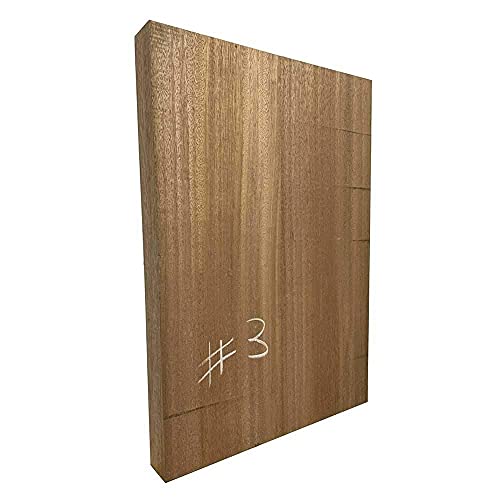
Understanding Body Wood and Resonance
The body of a solid-body electric guitar is the foundation of its sustain and tonal character. Even in more affordable models, the type of wood used matters significantly. You will frequently encounter Alder, Ash, Mahogany, and Basswood. Alder is a versatile standard, offering a balanced tonal profile that works well for almost any genre. Mahogany provides a warmer, thicker sound with more emphasis on the low-mid frequencies, making it ideal for blues or heavy rock. Basswood is common in budget-friendly models because it is lightweight and easy to work with, offering a very neutral, flat response that is perfect for players who plan to use heavy effects or high-gain distortion. When shopping, consider whether you want a guitar that provides a specific 'flavor' of sound or one that acts as a blank canvas for your pedals.
Pickup Configurations and Tonal Versatility
The pickups are the most critical electronic component, acting as the transducers that turn string vibration into an electrical signal. In the generic market, you will typically see three main configurations. Single-coil pickups offer a bright, crisp, and 'glassy' tone, perfect for funk, surf, or clean indie rock, but they can be prone to hum. Humbuckers, which consist of two coils wired together, are designed to cancel that hum and provide a much beefier, powerful output suitable for rock and metal. If you are unsure which to choose, look for an HSS configuration (one humbucker at the bridge and two single-coils) which offers the widest possible sonic palette. Always check if the pickups are ceramic or Alnico. Alnico is generally preferred for a smoother, more vintage feel, while ceramic can offer more aggressive output.
Hardware Quality and Playability
A guitar is only as good as its ability to stay in tune and feel comfortable in your hands. Pay close attention to the bridge and the tuning machines. A bridge that feels flimsy or has loose saddles will cause tuning instability, which is a frustration no beginner should face. Look for heavy-duty die-cast tuners rather than cheap plastic ones. Furthermore, the 'action'—the distance between the strings and the fretboard—is vital. While many generic guitars arrive with high action that makes playing difficult, a quality instrument should have a neck that is straight and a fretboard that feels smooth under the fingers. If possible, inspect the frets for any sharp edges or uneven heights, as these can cause buzzing and discomfort during long practice sessions.
The Importance of Neck Profile and Scale Length
How the guitar fits in your hand is a matter of ergonomics. Necks are generally categorized as 'C' shaped, which is a comfortable, all-purpose middle ground, or 'U' shaped, which is thicker and more substantial. If you have smaller hands, a slimmer profile will allow for faster movement. Additionally, be aware of the scale length. Longer scales (common on many standard models) provide more tension and brightness, while shorter scales offer a 'looser' feel that is easier for bending strings. Matching the neck profile to your physical comfort is the difference between practicing for an hour and practicing for five.