Understanding Support Levels: Compression vs. Stabilization
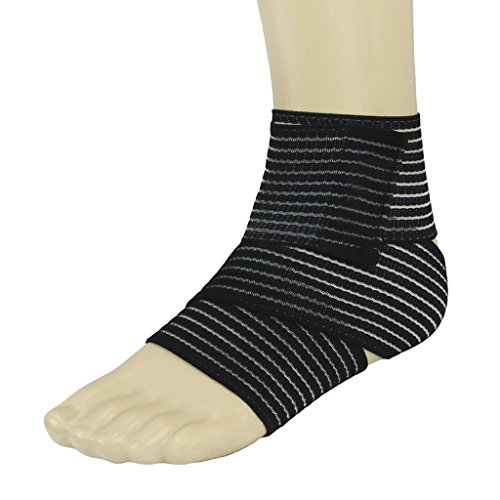
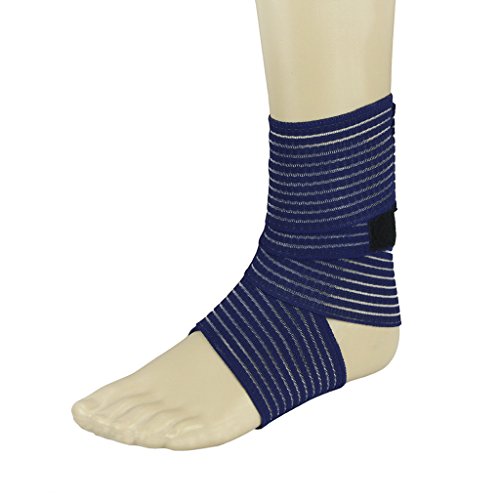
The most critical decision in selecting a BXT ankle brace is determining the level of mechanical support required. Not all braces are created equal. Some are designed for mild discomfort, while others are engineered for significant structural deficit. For general fatigue and minor swelling, a soft sleeve-style brace offers circumferential compression. This helps increase proprioception—your body's ability to sense its position in space—which can prevent minor rolls. However, if you have a history of ligament tears, you should look for braces that incorporate lateral stays or rigid side supports. These components act as physical barriers to prevent excessive inversion or eversion, providing the mechanical stability that fabric alone cannot achieve.
Material Composition and Breathability
Sports environments are inherently high-heat. A brace that traps too much moisture can lead to skin irritation, blistering, and a loss of structural integrity as the fabric softens. When evaluating BXT options, prioritize moisture-wicking synthetic blends. High-quality neoprene provides excellent thermal retention, which is beneficial for keeping the joint warm and limber, but it can become cumbersome during intense cardio. Look for hybrid designs that utilize breathable mesh panels in high-sweat zones while maintaining compression in the vital ligament areas. The durability of the stitching is also paramount. Since ankle braces undergo constant tension during pivoting, reinforced seams are a non-negotiable requirement for longevity.
Fit, Sizing, and Fastening Systems
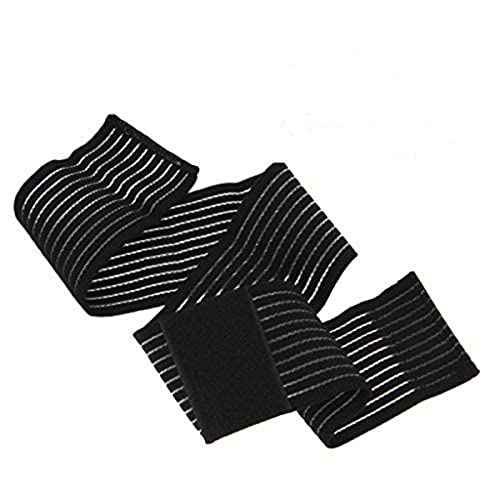
A brace that is too loose provides zero functional benefit, while one that is too tight can impede circulation and cause numbness. To ensure a perfect fit, you must measure the circumference of your ankle at its narrowest point. Beyond sizing, pay close attention to the fastening mechanism. Hook-and-loop strap systems are generally preferred for sports because they allow for micro-adjustments throughout a game. As swelling fluctuates during physical activity, the ability to slightly loosen or tighten the straps is essential for comfort. Furthermore, consider the profile of the brace. If you intend to wear it inside a standard athletic cleat or a slim-fitting court shoe, you will need a low-profile design that does not create pressure points against the top of your foot.
Activity-Specific Selection Logic
Your choice should be dictated by your sport's movement patterns. For sports involving heavy jumping and landing, such as volleyball, look for braces that offer significant heel stabilization. For sports requiring rapid lateral cutting, such as soccer or agility drills, prioritize braces with reinforced lateral stabilizers that prevent the ankle from rolling outward. If your primary goal is recovery rather than active play, a compression-heavy sleeve without rigid stays may be more appropriate to facilitate blood flow and reduce edema without restricting your natural range of motion.