Distinguish Between Display and Game-Used
The first and most critical decision in your purchasing journey is determining the purpose of the helmet. Collectors generally fall into two camps: those seeking aesthetic perfection and those seeking historical significance. Display helmets are often manufactured specifically for collectors, featuring pristine paint jobs, flawless decals, and high-gloss finishes. These are ideal for those who want a 'perfect' look on a shelf. Conversely, game-used or player-issued helmets carry the 'scars of battle.' Scuffs, paint transfers, and decal peeling are not defects in this context. They are proof of the helmet's history on the field. Before buying, decide if you want a museum-quality pristine specimen or a piece of history that shows the grit of the gridiron.
Evaluate Authenticity and Certification
Authenticity is the bedrock of memorabilia value. When purchasing a helmet intended to represent a specific era or player, look for documentation that verifies its lineage. For high-end collectors, a Certificate of Authenticity (COA) from a reputable third-party grading service is essential. Pay close attention to the details: are the decals applied with the correct era-appropriate font? Does the facemask style match the specific years the player wore that equipment? Even small discrepancies in the shade of team colors or the placement of manufacturer logos can significantly impact the long-term value and integrity of your collection.
Consider Material and Scale
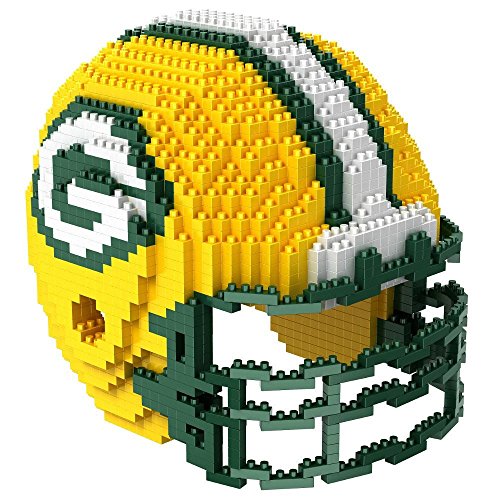
Not all helmets are created equal in terms of construction. High-end memorabilia often utilizes full-scale, professional-grade shells that mimic the weight and feel of what is worn on the field. These are substantial pieces that command attention. However, for those with limited space or those looking to create a themed gallery wall, miniature or scaled-down replicas can be an excellent way to showcase multiple teams without overwhelming a room. If you are opting for a full-sized helmet, ensure the shell material is durable enough to resist yellowing or cracking over time, especially if it is being exposed to sunlight in a display case.
The Importance of Display and Preservation
A football helmet is a long-term investment, and its condition is highly susceptible to environmental factors. When selecting a helmet, consider how you will display it. A helmet with a high-gloss finish will show dust and fingerprints easily, necessitating a UV-protected display case. If you are purchasing a vintage helmet, be aware that certain plastics and paints can degrade if exposed to direct sunlight or extreme temperature fluctuations. Investing in a quality stand—whether it is a minimalist acrylic mount or a heavy-duty pedestal—is just as important as the helmet itself, as it ensures the item is presented at the optimal viewing angle while remaining stable.
Summary of Selection Logic
To make the best choice, follow this hierarchy: First, define your budget and whether you prioritize 'perfection' (display grade) or 'provenance' (game-used). Second, verify the authenticity through reputable documentation. Third, match the scale of the helmet to your available display space. Finally, factor in the long-term maintenance required to keep the piece in showroom condition.