Understanding Grades and Chemical Composition
The most critical decision in purchasing stainless steel bars is selecting the correct grade. Not all stainless steel is created equal. The most common distinction lies between the 300-series and the 400-series. The 300-series, specifically Grade 304, is the industry standard for general-purpose applications. It offers excellent corrosion resistance and is highly formable, making it ideal for kitchenware, food processing equipment, and decorative trim. However, if your project involves high-chloride environments—such as coastal areas or chemical processing plants—you should look toward Grade 316. The addition of molybdenum in 316 provides superior resistance to pitting and crevice corrosion in saltwater environments.
On the other hand, the 400-series bars are often preferred for applications requiring higher hardness and magnetic properties. These are frequently used in cutlery or mechanical components where wear resistance is more vital than extreme corrosion resistance. Always verify the specific alloy composition if your application involves high heat or extreme acidity.
Selecting the Correct Profile and Geometry
Stainless steel bars come in a variety of geometric profiles, and the shape dictates the structural utility of the piece. Round bars are the most versatile, commonly used for shafts, axles, and fasteners. Hexagonal bars are the go-to choice for nut production and mechanical components requiring wrench engagement. Square and rectangular bars provide excellent structural rigidity for framing and architectural supports. If you are looking for lightweight strength, angle bars or flat bars may be more appropriate for bracing or decorative accents. When selecting a profile, ensure the tolerances (the allowable deviation from the specified dimensions) meet your manufacturing requirements. Tight tolerances are essential for precision mechanical parts, while looser tolerances are acceptable for structural framing.
Surface Finish and Aesthetic Requirements
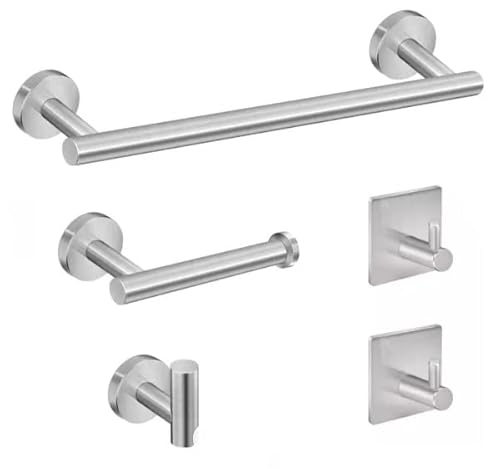
The surface finish of a stainless steel bar serves both functional and aesthetic purposes. A 'mill finish' is the most basic, often appearing slightly dull or having minor surface imperfections from the manufacturing process. This is perfectly adequate for components that will be painted, powder-coated, or hidden within a larger assembly. However, if the bar is intended to be a visible architectural element, you should look for specific finishes. A 'brushed' or 'satin' finish hides fingerprints and scratches well, making it popular for consumer goods. For high-end decorative work, a 'mirror' or 'polished' finish offers maximum reflectivity. Be aware that more polished finishes often come at a higher price point due to the additional processing required.
Mechanical Properties and Workability
Before finalizing your purchase, consider how the bar will be manipulated. Some grades are highly ductile, meaning they can be easily bent or drawn without cracking, which is ideal for complex fabrication. Others are designed for high tensile strength and hardness, which makes them more difficult to machine but much more durable under heavy loads. If you are performing extensive welding, ensure the grade you select is compatible with your welding consumables to prevent intergranular corrosion at the weld site. Always weigh the necessity of extreme strength against the ease of fabrication to optimize both your budget and your production time.