Material Composition and Durability
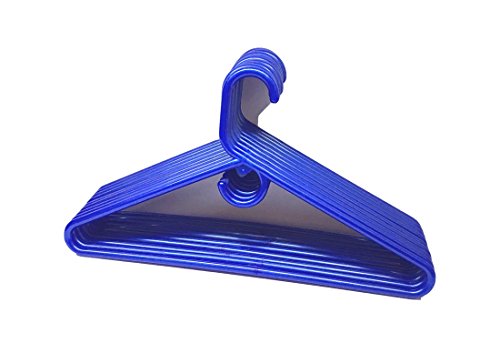
The first decision factor in selecting a standard hanger is the material. Each material offers a different trade-off between strength, friction, and space efficiency. Wood is the gold standard for heavy outerwear, suits, and structured blazers. The natural density of high-quality wood provides the necessary counter-resistance to prevent heavy garments from sliding or sagging. However, wood can be bulky. Plastic hangers are highly versatile and offer a middle ground, providing enough rigidity for most daily wear while remaining lightweight. If you are looking for maximum space efficiency in a tight closet, slim-profile velvet or flocked hangers are ideal. These utilize a micro-textured surface to prevent silk blouses or wide-neck sweaters from slipping off, though they should be used with caution for heavy coats which may overwhelm the thin frame.
Shoulder Profile and Garment Support
The most critical functional element of any hanger is the shoulder profile. A 'standard' hanger should ideally mimic the natural slope of human shoulders to prevent the dreaded 'shoulder nipple' effect—a permanent protrusion caused by sharp corners pressing into fabric. When evaluating hangers, look for contoured designs rather than flat, angular ones. For structured items like tailored jackets, look for hangers with wider, reinforced ends that distribute the weight of the garment across a larger surface area. For lightweight items like t-shirts or linens, a slimmer profile is acceptable, provided the hanger maintains enough structural integrity to prevent bowing under the weight of the fabric.
Weight Capacity and Load Distribution
Not all hangers are engineered for the same load. A common mistake is using lightweight plastic or velvet hangers for heavy denim or wool overcoats. This leads to the hanger warping over time, which eventually ruins the silhouette of the clothing. When building your collection, categorize your needs: heavy-duty hangers for outerwear, medium-duty for trousers and button-downs, and lightweight options for seasonal knits. If you plan to hang heavy trousers by the hem or fold them over a bar, ensure the hanger bar is thick enough to resist bending.
A cohesive closet relies on uniformity. Using a mix of different hanger styles can create visual clutter and, more importantly, irregular spacing on your closet rod. Standardized hangers allow for predictable spacing, ensuring that garments hang straight and receive adequate airflow, which is essential for preventing musty odors in enclosed spaces. If you are working with a limited horizontal rod length, prioritize ultra-slim, non-slip designs. If you have ample space, prioritize the structural support of wide-shoulder wooden designs. Consistency in hanger width allows you to maximize every inch of your storage system without sacrificing the ability to easily browse your wardrobe.