Understanding Bell Materials and Tonal Profiles
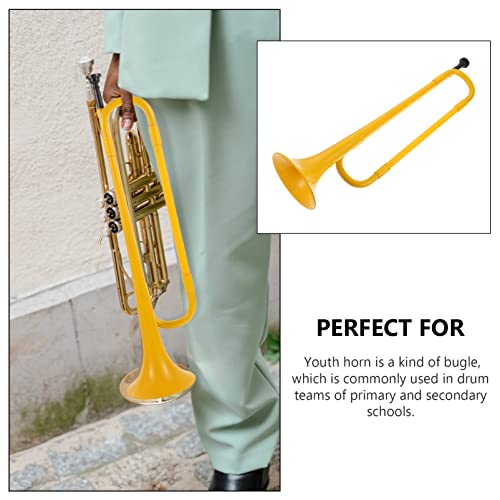
One of the most significant factors affecting a trumpet's sound is the material and construction of the bell. Most standard trumpets are crafted from yellow brass, which provides a bright, clear, and projecting tone—ideal for orchestral settings and classical training. However, if you are leaning toward jazz or commercial music, you might consider rose brass or gold brass. Rose brass contains a higher copper content, resulting in a warmer, darker, and more complex timbre that can help blend better in small ensembles. Additionally, pay attention to the bell flare. A wider flare often provides more projection and a broader sound, while a more tapered bell can offer more control and a focused, piercing tone.
Valve Precision and Mechanical Reliability
The heart of any trumpet is its valve block. The smoothness with which the pistons move determines how easily you can execute rapid passages and technical runs. When evaluating an instrument, test the valve action: they should move vertically with minimal resistance and return to their resting position instantly without sticking. Look for high-quality valve guides and tight tolerances between the piston and the casing. Any air leakage around the valves will not only make the instrument harder to play but will also sap your endurance and affect your intonation. For advanced players, the responsiveness of the valve block is often the deciding factor between a decent instrument and a professional-grade tool.
Bore Size and Leadpipe Configuration
The 'bore' refers to the diameter of the tubing throughout the instrument. A large-bore trumpet offers a more resonant, powerful sound but requires more air support to control, making it a favorite for orchestral players. Conversely, a small-bore trumpet is easier to blow and offers more agility, which is why it is often preferred by lead jazz players. Furthermore, the leadpipe—the first piece of tubing the air enters—plays a massive role in resistance. A tapered leadpipe can provide a more 'free-blowing' sensation, whereas a more direct leadpipe offers more resistance, allowing for greater control over pitch and tone stability in high registers.
Ergonomics and Slide Integrity
A trumpet is a physical tool that you must hold for extended periods. Ergonomics should never be an afterthought. Check the placement of the finger hooks and the comfort of the first valve slide. If the slides are difficult to move or feel flimsy, the instrument will likely suffer from intonation issues. The tuning slides should move smoothly through their entire range of motion without feeling 'gritty.' A well-built trumpet will have sturdy bracing that prevents the instrument from feeling 'mushy' or vibrating excessively under high pressure. Always ensure that the third valve slide is easily accessible, as this is crucial for playing chromatic passages in the lower register.
Recommendation Logic: Matching Instrument to Intent
To make the final decision, match the technical specs to your musical goals. For beginners, prioritize ease of playability and durability. A medium-bore yellow brass trumpet is the gold standard for learning. For jazz enthusiasts, look for rose brass bells and a smaller bore to facilitate agility and a warm, smoky tone. For classical musicians, prioritize a large-bore instrument with high-quality valve precision to ensure the projection and tonal stability required for concert halls. Always prioritize mechanical integrity over aesthetic flourishes. A beautiful instrument that does not play in tune is merely a piece of art, not a musical tool.