Power Source: Manual vs. Electric vs. Pneumatic
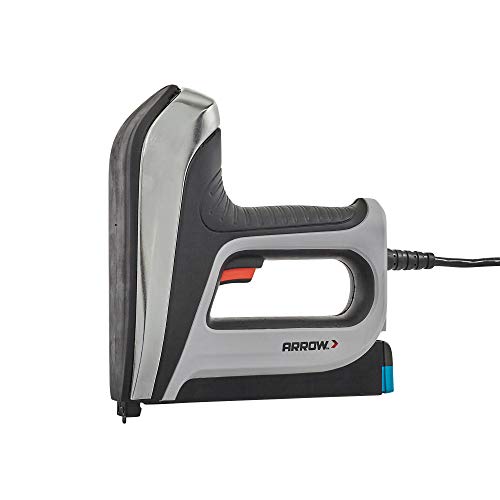
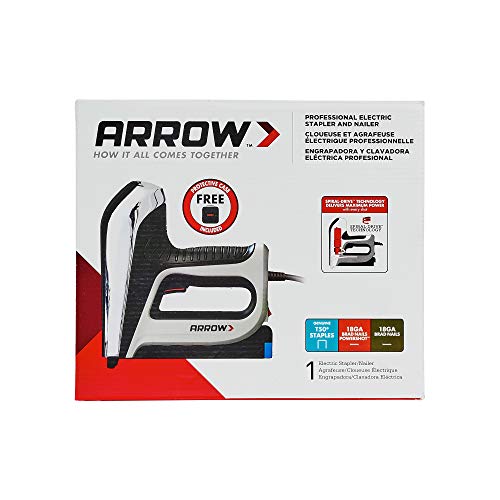
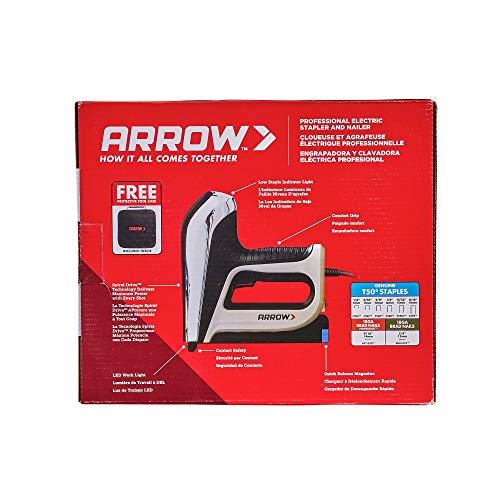
The first decision you must make is how you want to power your tool. Most consumer-grade tackers are manual, utilizing a spring-loaded mechanism that requires a physical strike or squeeze to fire. These are highly portable, require no cords or compressors, and are ideal for light upholstery or craft work. However, if you are performing repetitive tasks, manual fatigue becomes a real factor. Electric tackers offer a middle ground, providing motorized assistance to reduce hand strain, though they introduce the limitation of a power cord. For high-volume professional environments, pneumatic tackers are the gold standard. They offer the highest driving force and the fastest firing rate, but they require an air compressor and a hose, making them less mobile for quick repairs around the house.
Staple Gauge and Compatibility
One of the most common mistakes is purchasing a tacker that is incompatible with the fasteners you intend to use. Tackers are categorized by the gauge of the staples they accept. A narrower gauge is typically used for delicate fabrics and thin veneers, while a wider gauge provides the strength needed for heavier materials like canvas or thin plywood. Before buying, check the staple compatibility list. You should also consider the staple length; a tool that can handle a range of lengths offers more versatility. If you plan to move between light crafts and heavy-duty home repairs, look for a multi-purpose model that accepts a variety of staple sizes.
Driving Mechanism and Jam Resistance
The internal mechanism of a tacker determines its reliability. High-quality tackers feature a robust driver blade that strikes the staple evenly. If the mechanism is poorly designed, the staple may enter at an angle, leading to frequent jams or 'misfires' where the staple is only partially embedded. Look for models that feature easy-access loading mechanisms and clear views of the firing chamber. Being able to quickly clear a jam without disassembling the entire tool is a massive advantage when you are in the middle of a precision task like reupholstering a chair.
Ergonomics and Build Quality
Because tackers are often used with repetitive squeezing motions, ergonomics cannot be overlooked. A tool with a rubberized grip and a contoured handle will significantly reduce the risk of hand fatigue and blisters. Furthermore, consider the weight of the tool. A heavy tacker might feel more durable, but it can become cumbersome during extended use. Look for a balance of high-impact construction materials—such as reinforced steel or heavy-duty polymers—and a lightweight design. A tool that feels 'solid' in the hand usually indicates better internal tolerances, which translates to a longer lifespan and more consistent driving force.
Depth Adjustment Features
For advanced users, particularly those working with delicate upholstery, a depth adjustment feature is a game-changer. This allows you to control how far the staple is driven into the material. This is crucial when working on expensive fabrics where you want to ensure the staple is secure but not so deep that it pulls the fabric through or damages the wood underneath. If you are a hobbyist, this might be a luxury, but for anyone doing professional-grade finishing work, it is a necessity.