Understanding the Core Components
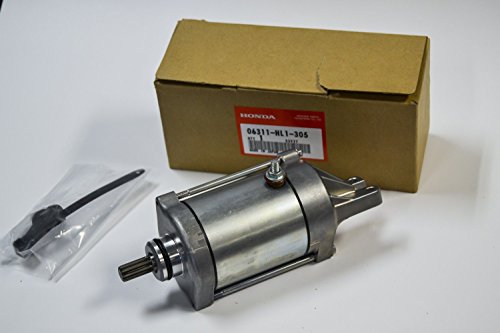
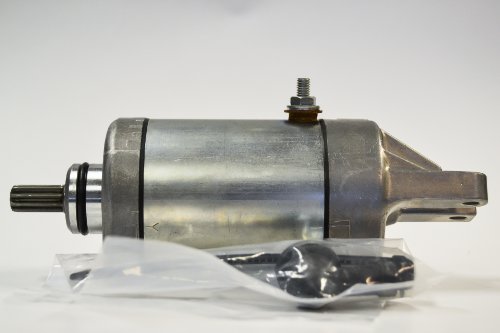
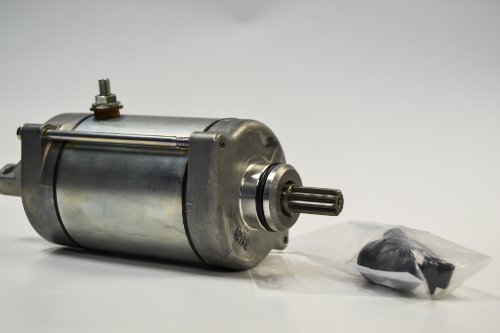
Before diving into specific models, it is essential to understand what makes a starter function. A starter motor consists of several critical parts: the solenoid, the armature, the brushes, and the drive pinion gear. The solenoid acts as the bridge between your ignition switch and the motor, directing high-current electricity to spin the armature. The drive pinion is the small gear that extends to mesh with the engine's flywheel. When shopping, consider the build quality of these individual components. High-quality starters often feature reinforced solenoids and heavy-duty brushes that resist the friction-based wear common in high-mileage vehicles.
Compatibility and Fitment Precision
The most critical factor in purchasing a starter is exact compatibility. Starters are not universal. They are engineered for specific engine displacements, mounting patterns, and flywheel tooth counts. Even within the same vehicle model year, different engine configurations (such as a V6 versus a V8) will require entirely different starter assemblies. You must verify the mounting flange design and the position of the electrical terminals. If the terminals are positioned incorrectly, you may face difficulty with wiring harness installation or, worse, electrical shorts that could damage your vehicle's computer system.
Electrical Load and Amperage Requirements
A starter motor is one of the highest-draw electrical components in your vehicle. When selecting a replacement, pay close attention to the amperage rating. Some aftermarket upgrades offer 'high-torque' versions of standard starters. These are designed to provide more cranking power, which is particularly beneficial for diesel engines or vehicles with large-displacement gasoline engines that struggle in cold weather. However, be cautious: installing a high-draw starter without ensuring your battery and cabling can handle the increased amperage can lead to premature battery failure or melted wiring. Always match the starter's electrical requirements to your vehicle's original specifications unless you are performing a comprehensive electrical system upgrade.
Durability and Environmental Protection
Starters are located in harsh environments, often close to the engine block, exhaust manifolds, and road debris. Heat soak is a significant issue. As the engine warms up, the heat can transfer to the starter, potentially causing it to seize or fail to engage. Look for starters that feature high-grade insulation and heat-resistant housings. Furthermore, moisture protection is vital. A starter with a well-sealed housing will resist corrosion from road salt and water ingress, which are leading causes of internal electrical failure and gear slipping.
Decision Logic: OEM vs. Aftermarket
When making your final choice, you will likely choose between Original Equipment Manufacturer (OEM) style parts and budget-friendly aftermarket options. OEM-style starters are designed to mimic the exact specifications of the unit that left the factory, offering the highest level of 'plug-and-play' reliability. Aftermarket units are often more affordable and can be a great value, but they may vary in material quality. If you are looking for longevity and peace of mind, prioritize units that offer a robust warranty and are manufactured using high-grade copper windings, which offer better conductivity and heat dissipation than cheaper aluminum alternatives.