Prioritize Material and Texture
The material of your steering wheel cover dictates how it feels in your hands and how it reacts to environmental changes. If you live in a region with extreme temperature fluctuations, avoid cheap PVC or low-grade synthetic plastics, as these can become scalding hot in the summer and brittle or uncomfortably cold in the winter.
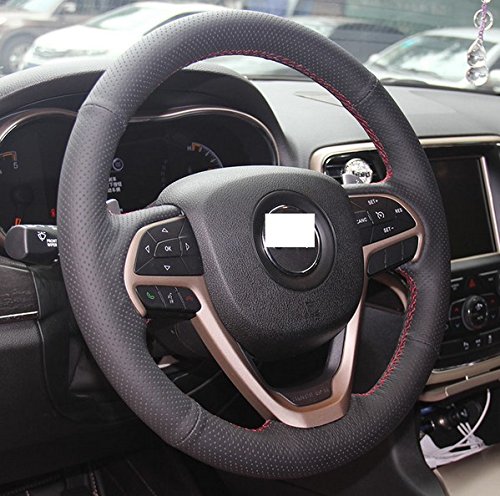
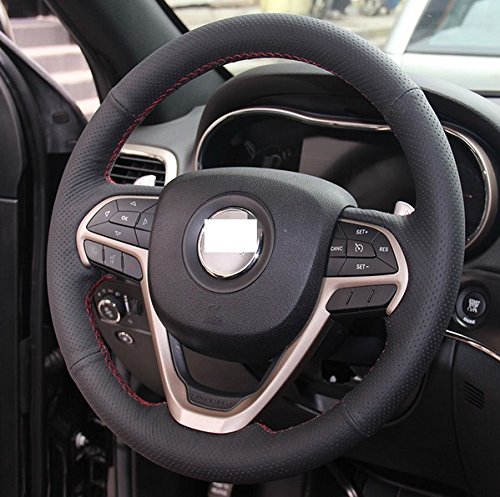
Genuine Leather: This is the gold standard for luxury and longevity. Leather breathes better than synthetics, meaning it won't get as sweaty in your palms, and it develops a unique patina over time. However, it requires more maintenance to prevent cracking.
Alcantara and Suede: If you are looking for a racing-inspired feel, Alcantara or high-quality microsuede offers unparalleled grip. These materials are excellent for preventing hand slippage, though they can trap oils from your skin more easily than leather.
Silicone and Rubber: These are the practical choices for utility vehicles or daily commuters. They are incredibly easy to clean and offer a high-friction surface that ensures your hands stay locked in place, though they may lack the premium feel of textile options.
The Critical Importance of Fitment
The single most common mistake consumers make is purchasing a 'universal' cover that doesn't actually fit their specific wheel diameter. A steering wheel cover must be tight enough to remain stationary. If it can slide or rotate independently of the wheel, it becomes a significant safety hazard.
Before buying, measure the diameter of your steering wheel from edge to edge and check the thickness (circumference). Most modern vehicles use a standard diameter, but many sports cars or heavy-duty trucks feature thicker, more ergonomic rims that require specialized, larger-diameter covers. Look for covers that specify a 'stretch-to-fit' capability or those designed for specific rim thicknesses to ensure a seamless, factory-like installation.
Ergonomics and Grip Profile
Not all steering wheels are shaped the same. Some are perfectly circular, while others are 'D-shaped' or feature thumb rests. When selecting a cover, consider the shape of your existing wheel. A D-shaped cover on a circular wheel will result in uneven pressure points and a compromised grip.
Furthermore, consider the thickness. Some covers are designed to be slim to maintain the original feel of the vehicle, while others are 'padded' to add bulk. If your current steering wheel feels too thin or hard, a padded cover can provide much-needed ergonomic support, reducing hand fatigue on long highway trips. Conversely, if you prefer a tactile, thin connection to the road, opt for a low-profile skin rather than a thick wrap.
Durability and Maintenance
Finally, consider how much work you want to put into upkeep. If you have children or frequently eat in your vehicle, a smooth leather or silicone cover is ideal because it can be wiped down with a damp cloth in seconds. If you choose a textured fabric or suede, be prepared to use a specialized brush or vacuum to remove dust and debris from the fibers. Always check the UV resistance ratings if you park your car outdoors, as sunlight is the primary enemy of steering wheel longevity.