Evaluate Material Durability and Weight Capacity
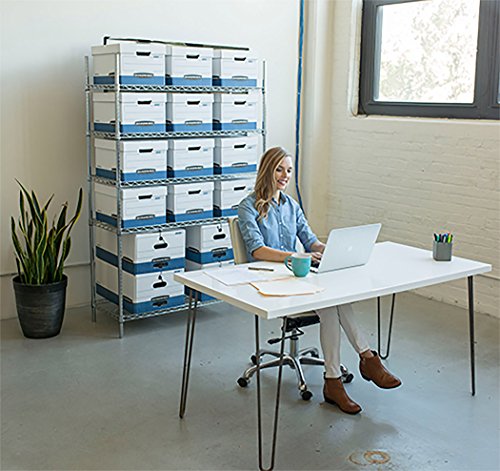
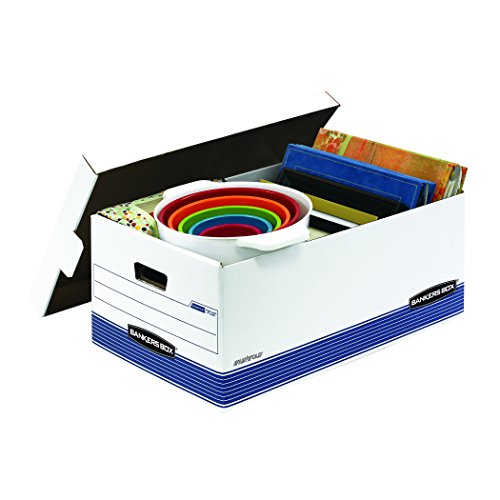
The primary differentiator in high-quality file boxes is the material composition. Fellowes typically offers solutions ranging from reinforced cardboard to heavy-duty plastic. If you are storing lightweight items like occasional correspondence or thin folders, lightweight corrugated options are cost-effective and easy to move. However, if you are archiving dense legal files, tax records, or heavy manuals, you must prioritize high-density plastic or reinforced heavy-duty board. A box that bows under the weight of its contents not only looks unprofessional but can also lead to structural failure, potentially damaging the sensitive documents inside. Always consider the 'stackability' factor. If you plan to tier your storage, ensure the material is rigid enough to support the downward pressure of multiple layers without collapsing.
Assess Dimensions and Filing Compatibility
A common mistake in office organization is purchasing a box that does not align with your existing filing hardware. You must decide between two primary formats: hanging file compatibility and standard letter/A4 capacity. Many Fellowes boxes are specifically engineered with integrated rails to accommodate hanging folders, which are essential for quick-access filing. If you intend to use standard manila folders or lever-arch files, ensure the internal width and depth can accommodate these without forcing the sides. Furthermore, consider the footprint. If you are utilizing narrow shelving units, slim-profile boxes are preferable. If you have deep cabinet space, wider, high-capacity boxes will maximize your volumetric efficiency.
Prioritize Accessibility and Ergonomics
Storage is useless if the contents are inaccessible. When selecting a box, look at the lid design and the handle placement. Open-top boxes or boxes with removable lids are superior for high-frequency use, allowing you to grab a folder without the friction of a lid. For long-term archival storage where dust protection is a priority, a secure-fitting lid is non-negotiable. Additionally, pay close attention to the handles. Professional-grade boxes feature reinforced cut-outs or integrated grips that allow for safe lifting. If you are frequently moving boxes from a shelf to a desk, ergonomic handle placement reduces strain and prevents the box from slipping during transit.
Determine the Environment and Use Case
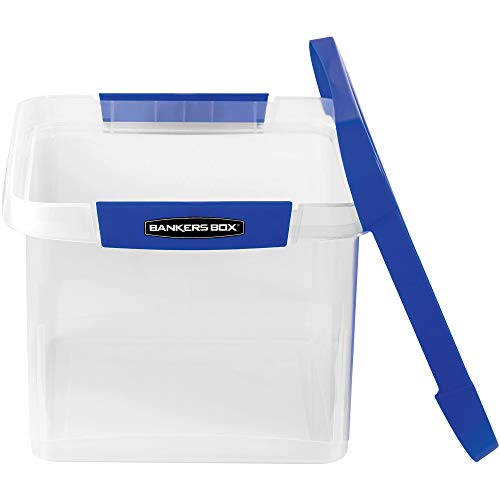
Finally, match the box to its intended environment. For a clean, climate-controlled office, aesthetic consistency and lightweight materials are often sufficient. However, if the boxes will be stored in a basement, a garage, or a high-traffic mailroom, moisture resistance becomes a critical factor. In these scenarios, plastic storage boxes are the gold standard because they protect against humidity and accidental spills that would destroy paper files in a cardboard alternative. Think about the lifecycle of your documents: is this for active daily use, or is this for 'set and forget' archiving? Your answer will dictate whether you invest in premium, easy-access desktop organizers or heavy-duty, stackable archive crates.