PickSmartly Buying Guide

Best Hp Studio Audio Monitors in 2026

5.2 PM Score
Products Compared
1
Brands Ranked
1
Our guides are compiled from product information and customer ratings. If you click on links we provide, we may receive compensation.

For creators, sound engineers, and digital artists, the transition from consumer-grade speakers to professional studio monitors is the single most important upgrade for a production workflow. While many users look toward traditional high-end audio brands, the demand for integrated, high-performance monitoring solutions from versatile technology leaders has grown. When searching for studio monitors designed for precision, you aren't just looking for volume. You are looking for frequency accuracy, a flat response curve, and the ability to hear your mix exactly as it is, without the artificial coloring found in standard desktop speakers. This guide explores the nuances of selecting professional-grade monitoring equipment to ensure your sonic decisions are based on truth rather than enhancement.

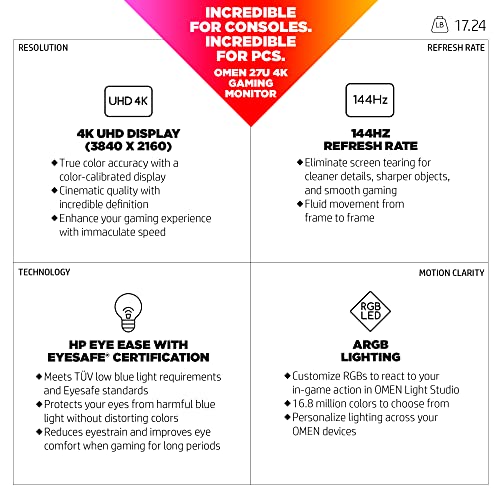
OMEN 27u 4K Gaming Monitor, 4K UHD Display (3840 x 2160), IPS panel, 99% sRGB, 95% DCI-P3, 16:9, AMD FreeSync Premium Pro Technology, 27u (2022)

HP OMEN 27u 4K UHD Gaming Monitor

HP OMEN 27U 4K 10.26 X 20.23 X 24.10 Inches 17.24 pounds

PM Score for HP (PM Score)

5.2 PM Score
Buy on Amazon
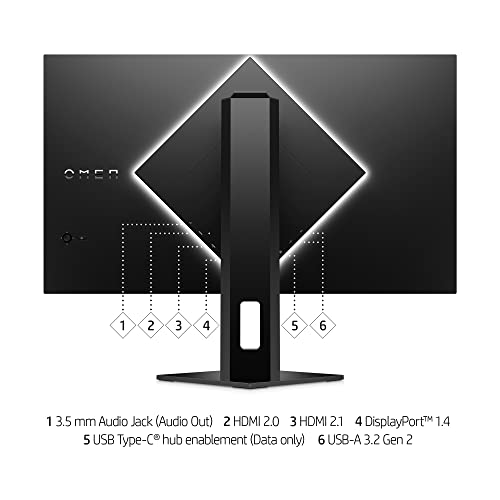
  • ALL SYSTEMS GO - Plug in your HDMI 2.1 and experience amazing gaming with 2x the speed at 120Hz and variable refresh rate technology on the latest gen consoles
  • HOW FAST CAN YOU RUN A 4K? - Eliminate screen tearing for cleaner details, sharper objects and smooth gaming
  • IT’S OK TO STARE AT YOUR GAME - See your game as developers intended with factory color-calibrated accuracy and HDR. A 95% DCI-P3 color gamut ensures you get the true-to-life gaming experience
  • LIGHT UP YOUR ENEMIES - Customize those RGBs to react to your in-game action in OMEN Light Studio
  • CONSOLE COMPATIBILITY - Easily connects with your favorite current and next gen gaming consoles – just plug and play
  • AMD FreeSync Premium Pro Technology - Low latency, wide adaptive refresh rate ranges, low framerate compensation and brilliant pixel quality in gaming
  • VESA CERTIFIED DISPLAYHDR 400 - Brighten your screen with enhanced contrast for a lifelike visual experience
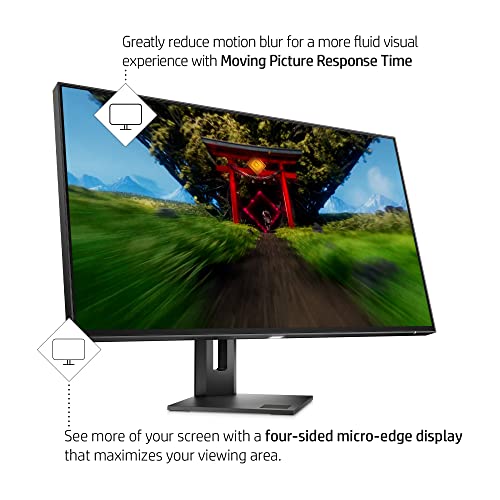
  • 1-MILLISECOND RESPONSE TIME - Ensures even the most action-packed moments are fluid, crisp and free of motion blur
  • ARGB LIGHTING - Always get your perfect color scheme. With an aRGB spectrum of 16.8 million colors to choose from and animations for days, you can personalize the lighting across your OMEN devices
  • INTEGRATED SPEAKERS - No need to buy external speakers for great audio. With integrated speakers this display is ready to go once you’re connected
SELLER SELLER SCORE AMAZON FULFILLED PRIME FREE SHIPPING
Amazon.com 9.68 Yes Yes Yes

You finally sit down with your next-gen console, plug in the HDMI 2.1 cable, and immediately feel the difference that 120Hz at 4K resolution makes. The OMEN 27u transforms your gaming setup into a high-fidelity powerhouse, utilizing an IPS panel that delivers stunningly accurate colors thanks to its 95% DCI-P3 gamut and factory calibration. I was particularly impressed by how the AMD FreeSync Premium Pro technology works alongside the 1-millisecond response time to keep fast-paced action fluid and free of annoying screen tearing. Between the VESA Certified DisplayHDR 400 brightening up the dark corners of your favorite worlds and the customizable ARGB lighting that reacts to your gameplay, this monitor is built for total immersion. It even includes integrated speakers, making it a true plug-and-play solution for any serious gamer.

What We Like
4K UHD resolution
120Hz refresh rate
IPS color accuracy
AMD FreeSync Premium Pro
Customizable ARGB lighting
Buying Guide

A Guide to Selecting the Best hp studio audio monitors

A Guide to Selecting the Best hp studio audio monitors

Understanding Frequency Response and Flatness

The primary goal of a studio monitor is 'transparency.' Unlike consumer speakers that boost bass to make music sound 'fun' or treble to make it sound 'crisp,' a true studio monitor aims for a flat frequency response. This means the speaker reproduces all frequencies—from the deepest sub-bass to the highest highs—at a consistent, linear level. When shopping, look for specifications that indicate a wide frequency range. If a monitor has a significant 'bump' in the low-end, you will likely end up mixing your tracks with too little bass, leading to a muddy sound when played on other systems. A high-quality monitor allows you to hear the flaws in your arrangement, which is the ultimate hallmark of a professional tool.

Active vs. Passive Systems

In the realm of modern studio setups, you will almost exclusively encounter 'active' monitors. An active monitor has a built-in power amplifier specifically tuned to the drivers within the cabinet. This is a significant advantage for desktop producers because it eliminates the need for an external amplifier and ensures that the power delivery is perfectly matched to the speaker's requirements. This integration reduces signal degradation and simplifies your cable management, making it an ideal choice for compact studio environments or mobile creative setups. When evaluating options, prioritize active systems that offer internal DSP (Digital Signal Processing) to help correct for room acoustics.

Driver Size and Room Integration

One of the most common mistakes is choosing a monitor that is too large for the listening space. While larger woofers (the drivers responsible for low frequencies) can move more air and provide deeper bass, they require a certain amount of physical distance to 'bloom' and prevent overwhelming the listener. If you are working in a small bedroom or a dedicated nook, a 5-inch driver is often the sweet spot. It provides enough low-end definition for most genres without requiring massive amounts of acoustic treatment. Conversely, if you have a larger, treated control room, moving up to 7-inch or 8-inch drivers will provide the headroom and sub-bass accuracy needed for professional mastering.

Connectivity and Input Sensitivity

Consider how you plan to interface these monitors with your hardware. Most professional monitors utilize balanced connections, such as XLR or TRS, to minimize electromagnetic interference and noise floor issues. If you are connecting directly to a computer interface, ensure the monitor's input sensitivity matches your output levels. Additionally, look for monitors that offer multiple input options if you frequently switch between a dedicated audio interface and a direct laptop connection. High-quality shielding in the input stage is essential to prevent the 'hiss' or hum that can ruin a sensitive recording session.

The Importance of Nearfield Monitoring

Most studio monitors designed for creators are 'nearfield' monitors, meaning they are designed to be listened to from a short distance (typically 3 to 5 feet). This setup minimizes the influence of your room's natural echoes and reflections, allowing you to hear the direct sound from the drivers more clearly. When selecting your gear, ensure the dispersion pattern—the angle at which sound travels from the tweeter—is wide enough to create a stable 'sweet spot.' This ensures that even if you move slightly in your chair, the tonal balance of your mix remains consistent.

Ready to choose?

Jump back to our ranked picks or compare the shortlist side by side.

Frequently Asked Questions

Quick answers about Hp Studio Audio Monitors before you buy.

A studio monitor must provide a flat frequency response, meaning it reproduces sound accurately without adding artificial bass boost or treble sparkle, allowing you to hear the true nature of your mix.

Most modern home studios use active monitors, which have built-in amplifiers. This simplifies your setup as you can connect them directly to your audio interface without needing an external power amp.

Smaller monitors typically struggle with sub-bass frequencies. If you are working in a small room with compact units, you may eventually need a dedicated subwoofer to cover the low-end accurately.

Nearfield monitors are designed to be placed close to the listener. This minimizes the impact of room acoustics and reflections, providing a more controlled and accurate soundstage for critical listening.

Muddy sound is often caused by poor placement or room reflections. Ensure your monitors are at ear level, decoupled from your desk using isolation pads, and positioned away from corners to manage bass buildup.

Woofer size affects low-end extension, while tweeter quality dictates high-frequency detail. For a balanced studio setup, look for a size that matches your room dimensions to ensure the frequency range is adequately covered.

While possible, consumer speakers are designed to make music sound 'pleasing' by boosting certain frequencies. This masks flaws in your mix that will become apparent when played on other systems.
Rankings & Insights

Our Hp Studio Audio Monitors Rankings

1 Products Compared
5.2 Avg PM Score
1 Brands Ranked

Top 10 Hp Studio Audio Monitors Brands on Amazon

Share of top-ranked products by brand, from our rankings.

  1. 01 Hp 1 (100%)

How We Selected These Products

We compared Hp Studio Audio Monitors products using product details and customer ratings to identify the best options in the home & kitchen..

From that comparison we shortlisted the top 1 Hp Studio Audio Monitors for this page..

We aim to help you find the right monitors products for your needs and save you time when choosing which Hp Studio Audio Monitors to buy.

Side by Side

Comparison Table

Compare the top 1 picks at a glance — select a column to sort.

# Product Brand PM Score Where to Buy
1 HP OMEN 27u 4K UHD Gaming Monitor HP 5.2 Buy on Amazon