Understanding Tread Patterns and Siping
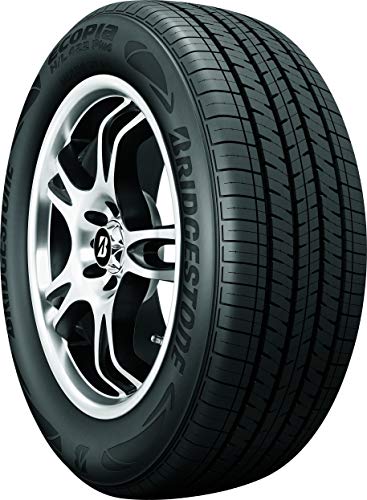
The most visible difference between all-terrain tires is the tread design. For an SUV, you want a pattern that offers 'self-cleaning' capabilities—meaning the grooves are wide enough to eject mud, stones, and debris as the tire rotates. If the tread blocks pack with dirt, you lose traction instantly. Look for aggressive shoulder blocks that wrap around the sidewall. These provide extra grip when navigating ruts or soft sand. Furthermore, pay close attention to 'siping.' Sipes are the tiny slits within the tread blocks that provide biting edges for traction on ice and wet pavement. A tire with high-quality siping will perform significantly better in winter conditions without feeling overly loud on the interstate.
The Balance of Noise and Comfort
One of the primary trade-offs in the all-terrain category is the 'noise penalty.' Because A/T tires have larger tread blocks and deeper voids to facilitate grip, they naturally produce more road hum than a highway tire. If your SUV is primarily a family commuter, look for tires specifically engineered with variable pitch tread patterns. This technology uses different sized tread blocks to cancel out specific sound frequencies, resulting in a much quieter cabin experience. If you prioritize off-road capability above all else, you may have to accept a bit more vibration and noise in exchange for superior puncture resistance and grip.
Load Index and Speed Ratings
SUVs, particularly larger models or those used for towing, require specific load indexes. An all-terrain tire must be able to support not just the weight of the vehicle, but also the dynamic forces encountered when driving over uneven terrain. Always check the load index on your vehicle's door placard to ensure your new tires meet or exceed these requirements. Additionally, while off-roaders often ignore speed ratings, if you frequently drive on highways at high speeds, choosing a tire with an adequate speed rating ensures the heat dissipation and structural integrity are sufficient for sustained high-speed travel.
Durability and Sidewall Strength
When you move off the pavement, the sidewall becomes your first line of defense against sharp rocks and jagged debris. High-quality all-terrain tires often feature reinforced sidewalls or 'armored' construction. This extra layer of protection helps prevent sidewall punctures and abrasions that can occur when driving through brush or over rocky trails. When comparing options, consider the 'UTQG' (Uniform Tire Quality Grading) rating, specifically the treadwear component. A higher treadwear rating generally indicates a more durable compound that will last through many seasons of varied use, though it may occasionally be slightly stiffer than a softer, more grippy compound.
Decision Logic: Matching Tire to Use Case
To make the final decision, categorize your driving habits. If you are a 90% highway/10% dirt road driver, prioritize a 'mild' all-terrain tire with tight tread spacing and advanced siping for comfort. If you are a 50/50 adventurer who spends weekends on forest service roads or light trails, opt for a mid-range tire with aggressive sidewall lugs. For the hardcore overlander, prioritize maximum void ratio and heavy-duty sidewall reinforcement, accepting that fuel economy and road noise will be your primary compromises.