Understanding Tread Pattern and Void Ratio
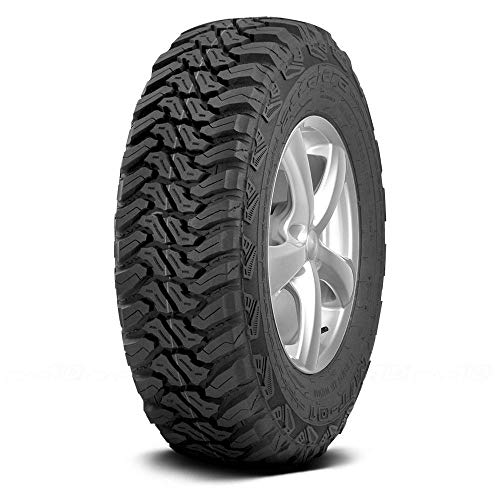
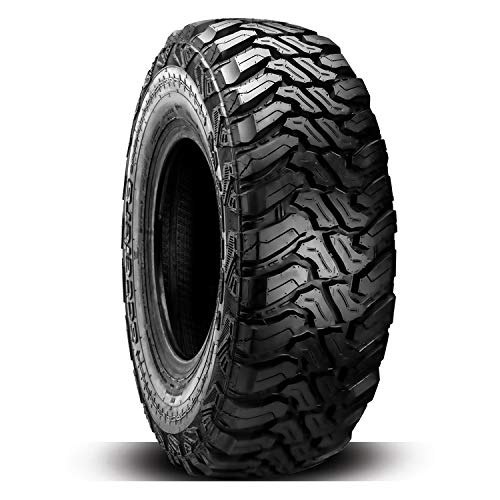
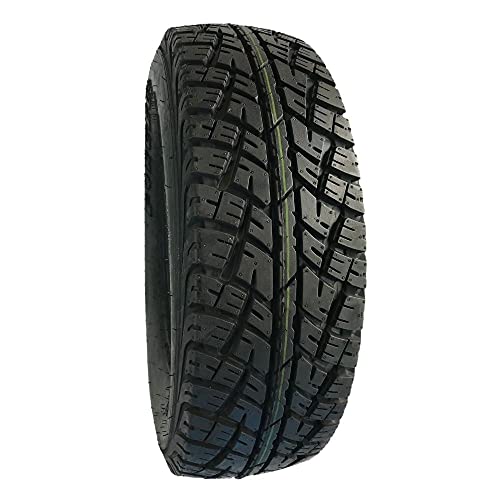
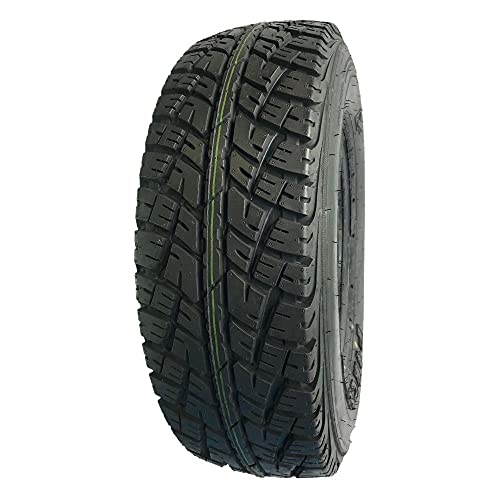
The most visible difference between all-terrain tires is the tread pattern. For an SUV, you are looking for a balance of 'biting edges' and 'void ratio.' The void ratio refers to the amount of space between the tread blocks. A higher void ratio means more space for the tire to eject mud, snow, and stones, preventing the tread from becoming 'slicked over' and losing grip. However, a very high void ratio often results in a louder, more rhythmic humming sound on the pavement. If your driving is 70% highway and 30% trail, look for a moderate void ratio with interconnected tread blocks that provide stability during high-speed cornering. If you are venturing into deep silt or heavy mud, prioritize larger, more widely spaced lugs that can dig deep into the substrate.
Sidewall Strength and puncture Resistance
When driving an SUV through rocky terrain or over sharp debris, the sidewall is your most vulnerable point. Standard highway tires have thin sidewalls designed for comfort, but all-terrain tires require reinforced construction. Look for tires that feature high ply ratings or specialized 'toughness' technologies in the sidewall. A reinforced sidewall not only protects against punctures from jagged rocks but also provides better lateral stability, which prevents the tire from 'squirming' or feeling mushy when you are navigating uneven terrain or making sharp turns on asphalt. For serious off-road enthusiasts, a thicker, more rugged sidewall is non-negotiable, even if it slightly increases the weight of the unsprung mass.
Load Index and Speed Ratings
Because many SUVs are used for towing or carrying heavy gear, you must pay close attention to the Load Index. An all-terrain tire must be able to support the gross vehicle weight of your SUV plus any additional payload. Selecting a tire with an insufficient load rating can lead to overheating and catastrophic sidewall failure. Furthermore, check the speed rating. While off-roading is slow, you still spend significant time on freeways. Some highly aggressive mud-terrain-leaning all-terrains have lower speed ratings. Ensure the tire you select is rated for the cruising speeds you typically maintain on your local highways to ensure safety and heat dissipation.
Seasonal Versatility and the Three-Peak Mountain Snowflake
Not all all-terrain tires are created equal when the temperature drops. If you live in a climate with heavy snowfall, look specifically for the 'Three-Peak Mountain Snowflake' (3PMSF) symbol on the sidewall. This rating indicates that the tire has passed specific testing for traction in severe snow conditions. Many premium all-terrain tires use specialized rubber compounds that remain pliable in freezing temperatures, whereas cheaper alternatives may harden like plastic, significantly reducing your braking performance on ice. If your adventures include mountain passes or winter commutes, the compound chemistry is just as important as the tread depth.