Flavor Intensity and Concentration
In a concession environment, speed and efficiency are paramount. You want syrups that offer high flavor density so that a small amount goes a long way. When evaluating options, consider the 'flavor-to-sweetness' ratio. Some syrups rely heavily on simple corn syrup bases which provide sweetness but lack the aromatic depth required for high-end specialty drinks. Look for syrups that list complex flavoring profiles—such as Madagascar vanilla or toasted hazelnut—rather than generic descriptors. A high-quality syrup should provide a lingering aftertaste that complements the beverage rather than coating the tongue in a sugary film.
Viscosity and Mixability
One of the most overlooked factors in syrup selection is how the liquid behaves when introduced to a cold or hot medium. If you are making iced coffees or sodas, you need a syrup with a viscosity that allows it to dissolve instantly. A syrup that is too thick may sink to the bottom of a cold drink, creating a 'syrup bomb' at the end of the cup rather than a uniform flavor profile. Conversely, for hot applications like lattes, you need a syrup that integrates seamlessly into steamed milk without causing separation or curdling. Test the 'pourability' of the product. A smooth, consistent flow is essential for maintaining speed during a rush.
Application Versatility
When building your inventory, decide whether you need specialized single-note syrups or versatile multi-purpose blends. For a concession stand, versatility is often the most cost-effective route. A high-quality caramel syrup can be used in coffee, over vanilla ice cream, or even as a drizzle for popcorn. A heavy fruit syrup might be great for sodas but could taste artificial when added to a latte. We recommend a tiered approach: invest in a few 'workhorse' flavors (Vanilla, Caramel, Chocolate) that serve multiple menu items, and supplement them with niche seasonal flavors to keep your offerings fresh and exciting.
Shelf Life and Storage Requirements
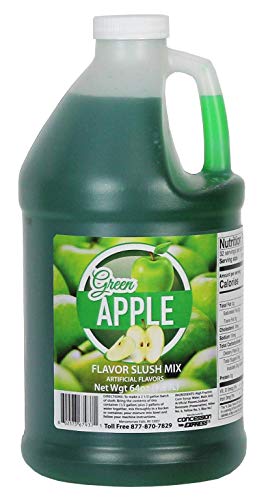
Because concession-style syrups are often purchased in bulk, understanding the stability of the product is vital for waste management. Check the labeling for stability under various temperatures. Some fruit-based syrups may require refrigeration after opening to maintain color and flavor integrity, while sugar-dense syrups are often shelf-stable. Consider the packaging as well. Pump-top bottles are superior for portion control and hygiene in a fast-paced environment, whereas large jugs are better for high-volume prep where you are pre-mixing batches of flavored bases.
The 'Artificial' Threshold
Finally, be wary of the 'chemical' aftertaste common in lower-tier concession products. While these syrups are designed to be bold, there is a fine line between a 'bold flavor' and an 'artificial aroma.' If the scent of the syrup is overwhelming before it even touches the liquid, it will likely overpower the actual beverage. Aim for products that use high-quality essences that mimic natural profiles, ensuring that your customers feel they are consuming a treat rather than a laboratory experiment.