Prioritize Seating Capacity and Dimensions
The most common mistake when shopping for a bench is failing to account for the 'human factor' regarding width. While a bench might physically fit the length of your table, you must consider how many people can actually sit comfortably. For a standard dining experience, allow at least 24 inches of width per person. If you are choosing a bench to tuck neatly under a table, ensure there is at least a 2-to-3-inch clearance on either side of the bench to prevent it from scraping the table legs every time someone sits down.
Evaluate Material and Durability
The material of your bench dictates both its lifespan and its maintenance requirements. Solid wood benches—such as oak, walnut, or acacia—are the gold standard for longevity and can be refinished if they suffer scratches over time. Metal benches offer a more industrial or modern aesthetic and are incredibly easy to wipe down, making them ideal for households with young children. If you are leaning toward upholstered benches, look for high-density foam and performance fabrics. Since benches are often sat upon more frequently and heavily than individual chairs, the structural integrity of the frame is paramount. Avoid lightweight particle board if you intend for the bench to serve as a primary daily seat.
Consider Ergonomics and Back Support
You must decide between backless and backed benches. Backless benches are the ultimate space-savers. They can be tucked entirely under the table when not in use, creating a clean, unobstructed sightline in your room. However, they offer zero lumbar support, which may make long dinner parties less comfortable. Backed benches provide much-needed stability and comfort, making them better suited for formal dining areas. If you opt for a backless model, consider pairing it with high-quality seat cushions to compensate for the lack of ergonomic support.
Stability and Weight Distribution
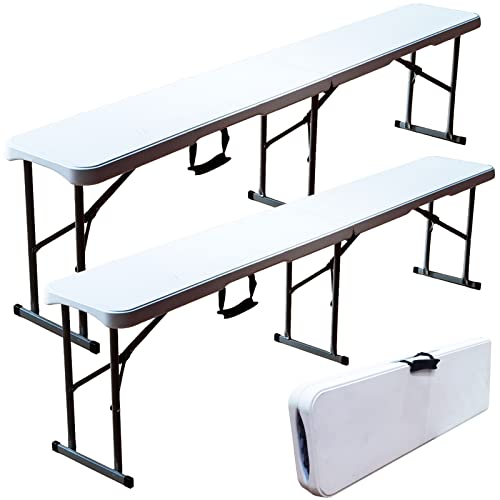
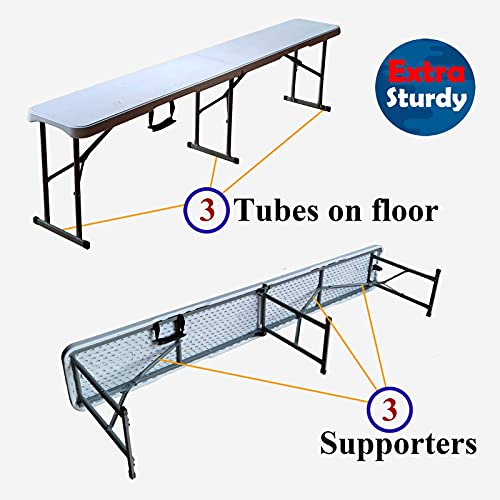
Because benches lack the four-point stability of a traditional chair, they are more prone to tipping if the weight is not distributed evenly. Look for designs with wide, flared legs or a continuous base frame that runs the length of the bench. A trestle-style base, where the support structure is centered, often provides superior stability for long benches. Additionally, check the weight capacity specifications. A high-quality dining bench should ideally support at least 500 pounds to ensure it can handle multiple adults sitting closely together without bowing or wobbling.
Style Integration
Finally, think about the silhouette. If your dining table has heavy, chunky legs, a slim, minimalist bench can provide a beautiful visual contrast. Conversely, if you have a glass or light metal table, a heavy wooden bench can ground the space and add warmth. Aim for a piece that complements the 'language' of your table—matching the wood tones or metal finishes—to create a cohesive dining environment rather than a collection of mismatched furniture.