Prioritize Internal Padding and Lining Texture
The most critical component of a tablet sleeve is what you cannot see at first glance: the internal cushioning. When evaluating these sleeves, look for multi-layered protection. A high-quality sleeve should feature a high-density foam core that absorbs impact from drops or bumps. However, padding alone isn't enough. You must also consider the lining material. A sleeve lined with soft microfiber or faux fur is essential to prevent micro-scratches on your screen and the chassis of your device. If a sleeve feels thin or uses a coarse fabric on the inside, it may actually cause more harm than good over long periods of sliding the device in and out.
Dimensional Accuracy and Fitment
A common mistake is buying a sleeve based solely on the tablet's advertised diagonal screen size. Modern tablets vary significantly in thickness and bezel width. A sleeve that is too loose allows the tablet to slide around, increasing the risk of internal impact damage during transit. Conversely, a sleeve that is too tight makes it difficult to insert the device and can put unnecessary pressure on the screen edges. When selecting your sleeve, check the internal dimensions against your specific tablet model, accounting for any protective bumper cases you might already have installed. A 'snug fit' is the gold standard for maximum protection.
Closure Mechanisms and Accessibility
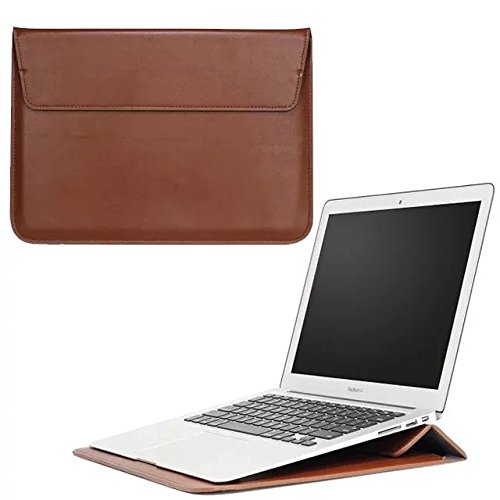
How you access your tablet determines the sleeve's practical utility. Jlyifan designs often utilize different closure styles, such as zippers, magnetic flaps, or elasticized envelopes. Zippers are excellent for security, ensuring the device won't slide out if the bag is tipped, but you must ensure the zipper teeth are buffered by a fabric lip to prevent them from scratching the tablet's edges. Magnetic closures offer a more seamless, premium feel and allow for quicker access, but they may not provide the same level of 'lock-down' security as a zipper. Consider your environment: if you are frequently commuting in crowded public transit, a zippered closure provides an extra layer of peace of mind.
Material Durability and External Resistance
Since the sleeve acts as your device's first line of defense against the outside world, the exterior material matters. Look for water-resistant fabrics like high-denier polyester or treated nylon. While no sleeve is entirely waterproof, a water-resistant exterior can protect your electronics from a sudden rain shower or a spilled drink in a coffee shop. Furthermore, consider the aesthetic and tactile feel. Some users prefer the professional look of synthetic leather, while others prioritize the lightweight, rugged feel of technical fabrics. Match the material to your primary use case—professional meetings require a different look than a casual campus lifestyle.
Additional Storage and Organization
If you are a digital nomad, a sleeve that only holds the tablet might be insufficient. Some models include small external compartments or integrated slots for a stylus, charging cables, or a slim power bank. If you tend to carry accessories, look for a sleeve with a dedicated pen loop or a small zippered pocket. This prevents your accessories from rattling around inside the main compartment and potentially scratching the tablet's surface.