Understanding Tap Construction and Materials
The foundation of a great tap shoe lies in its construction. Most professional-grade shoes are crafted from high-quality leather, which offers the necessary flexibility to allow for proper foot articulation. Leather molds to your foot over time, providing a custom fit that synthetic materials often struggle to replicate. When evaluating shoes, consider the stiffness of the sole. A sole that is too rigid will prevent you from executing proper rolls and toe work, while one that is too soft may lack the stability required for heavy weight shifts. Look for shoes that offer a balance of structural integrity and anatomical flexibility.
The Sound Factor: Choosing Your Taps
In tap dance, the sound is just as important as the movement. Taps come in various shapes and metals, and the choice significantly alters your acoustic profile. Standard circular taps are versatile for most styles, but specialized shapes like 'cleats' or 'wing' taps can change how the sound projects. Furthermore, the thickness and weight of the metal plates dictate the volume and pitch. Heavier taps produce a deeper, more resonant 'thud' ideal for rhythmic, heavy-hitting styles, whereas lighter, thinner taps allow for the crisp, rapid-fire sounds necessary for high-speed shuffle steps and intricate time steps. If you are a performer, consider whether you need a 'bright' sound that cuts through a musical arrangement or a 'mellow' sound that blends with it.
Support, Arch, and Fit
Tap dancing is physically demanding on the feet and ankles. Because you are frequently dancing on the balls of your feet, proper arch support is non-negotiable. Look for shoes that feature a contoured footbed to prevent fatigue during long rehearsals. The fit should be snug but never restrictive. There should be just enough room in the toe box to allow your toes to wiggle, preventing blisters and cramping. Pay close attention to the heel cup. A secure heel prevents your foot from sliding forward, which is critical for maintaining balance during turns and pivots. If you have high arches or flat feet, you may need to supplement your shoes with specialized dance insoles to ensure even weight distribution.
Style and Functionality for Different Disciplines
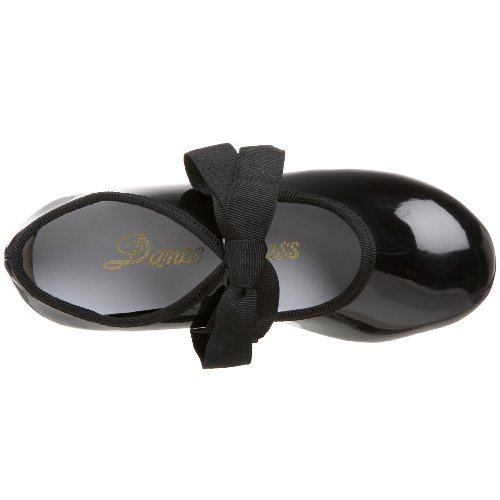
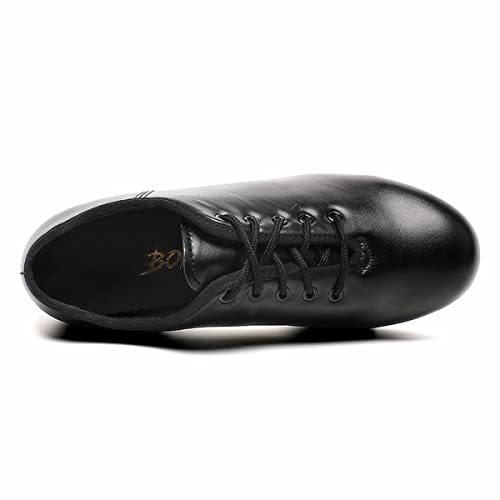
The specific genre of tap you practice should dictate your shoe choice. Broadway and musical theater styles often lean toward character shoes or Mary Janes with a moderate heel, providing a polished aesthetic and stability for jazz-influenced movements. Conversely, rhythmic tap and tap competition styles often prioritize lightweight construction and maximum ankle mobility, frequently utilizing sneakers or specialized soft-sole tap shoes. For those focusing on traditional technique, a classic oxford-style tap shoe provides the most reliable platform for learning foundational footwork. Always match the aesthetic and technical requirements of your curriculum to the footwear you select to ensure seamless integration into your training.