Evaluate Ink Saturation and Detail Precision
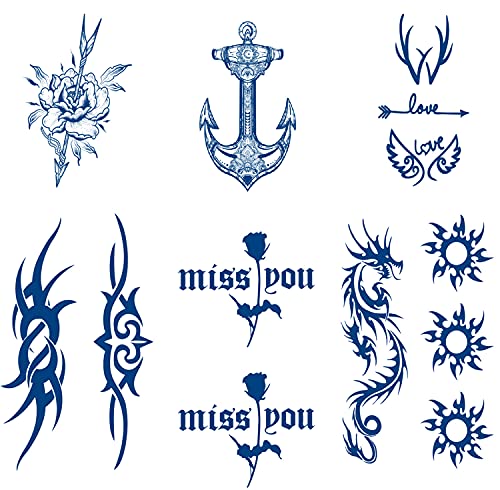
The most critical factor when selecting temporary tattoo ideas is the fidelity of the print. High-quality temporary tattoos should feature crisp lines and deep pigment. If you are choosing a design with fine linework—such as mandala patterns or micro-realism—ensure the product description emphasizes high-definition printing. Low-quality options often result in 'bleeding' edges where the ink spreads into the skin, making the design look blurry. For Dalin-inspired aesthetics, which often lean toward artistic and expressive imagery, look for tattoos that utilize multi-layered ink technology to provide a sense of dimension rather than a flat, two-dimensional appearance.
Consider Skin Compatibility and Ingredient Safety
Since these products sit directly against your largest organ, safety is non-negotiable. Avoid any designs that do not explicitly state they are non-toxic and skin-safe. Ideally, you should look for products that are dermatologically tested and free from heavy metals or harsh chemical solvents. Some temporary inks can cause irritation on sensitive skin, especially if the design covers a large area like a forearm or thigh. If you have reactive skin, prioritize water-based transfers over oil-based versions, as they tend to be gentler during the application and removal processes.
Assess Longevity and Wear Patterns
Not all temporary tattoos are built for the same duration. You must match the product's lifespan to your intended use. If you are using these for a weekend music festival, a medium-durability design that lasts 3–5 days is perfect. However, if you are looking for a one-night accessory for a photoshoot, a quick-release design is more practical. Pay attention to how the tattoo handles movement. A good temporary tattoo should be flexible. It needs to move with your skin's natural elasticity. If a design is too rigid, it will crack and flake off as soon as you bend your wrist or elbow, destroying the illusion of real ink.
Match Design Style to Application Area
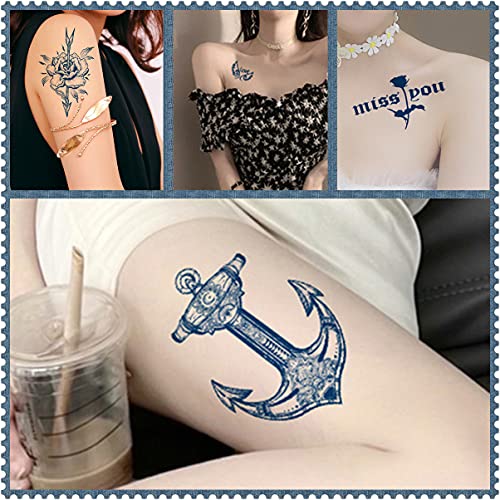
The 'idea' behind the tattoo is heavily influenced by where you place it. Small, dainty designs work beautifully on the inner wrist, collarbone, or behind the ear. Conversely, if you are looking for statement pieces, larger graphic designs are better suited for the shoulder, calf, or upper arm. When browsing ideas, consider the 'flow' of the design. A geometric tattoo should follow the natural contours of your muscle structure to look intentional. A well-chosen design doesn't just sit on top of the skin. It complements the anatomy of the body part it inhabits.
Ease of Application and Removal
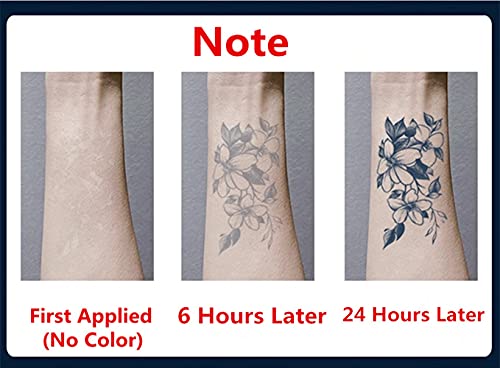
Finally, consider the user experience. The best temporary tattoos use a standard water-transfer method that is foolproof for beginners. Look for kits that include clear instructions or specialized removal wipes. A design that is notoriously difficult to remove—requiring aggressive scrubbing that leaves your skin red—is not worth the aesthetic payoff. The ideal product provides a seamless application process and a gentle, oil-based removal that leaves your skin looking healthy once the art is gone.