Defining Your Visual Language
The first step in selecting the best tattoo idea is determining the artistic style that resonates with your personality. A 'pinone' concept can be interpreted through various lenses. For instance, if you prefer something subtle and sophisticated, you might look for fine-line work that utilizes micro-realism. If you want something that commands attention and ages well over decades, bold traditional styles with heavy saturation are the way to go. Before committing to a specific design, ask yourself: Do I want this to be a focal point of my body, or a quiet detail that only becomes visible upon close inspection? This decision will dictate the scale and complexity of the idea you choose.
Composition and Body Placement
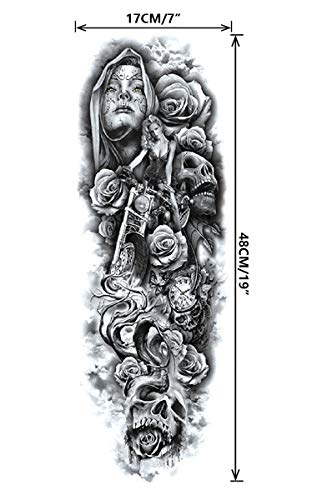
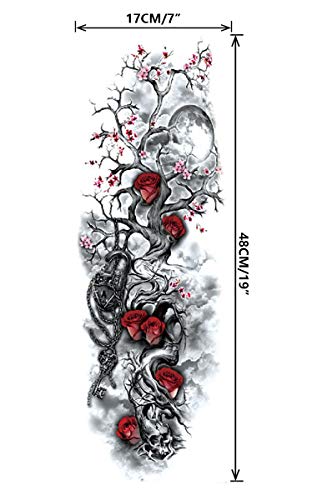
A common mistake is choosing a beautiful design without considering how it interacts with human anatomy. A tattoo idea that looks stunning in a flat, two-dimensional image may distort significantly when wrapped around a forearm or placed on a curved shoulder blade. When evaluating your ideas, consider the 'flow' of the design. High-quality tattoo concepts are designed to follow the natural musculature and contours of the body. For example, vertical designs work exceptionally well on the spine or outer limbs, while circular or symmetrical motifs are better suited for the chest, shoulder, or thigh. Always visualize the design in motion. A tattoo is not a static painting, but a part of your movement.
Symbolism vs. Pure Aesthetics
When browsing for ideas, you will encounter two distinct paths: symbolic meaning and pure aesthetic appeal. Symbolic tattoos carry weight—they represent milestones, heritage, or personal philosophies. If your goal is meaningful, ensure the imagery you choose has a depth that won't feel hollow in five years. On the other hand, many people opt for 'aesthetic-first' tattoos, where the primary goal is beauty and visual harmony. Both are valid, but you must be intentional. If you choose a design based purely on a trend, ensure the artistry is strong enough to stand on its own once the trend has passed.
Evaluating Complexity and Longevity
One of the most critical decision factors is the level of detail versus the longevity of the ink. Highly intricate, tiny details (often seen in modern micro-tattoos) look incredible immediately after the session, but they are prone to 'blurring' as the ink spreads naturally under the skin over several years. If you are looking for a piece that will remain crisp for a lifetime, look for ideas that utilize negative space and clear outlines. When reviewing your chosen ideas, consider the 'aging factor': Will this design still be legible when the lines soften with age? A well-balanced design uses a mix of heavy and light elements to ensure the silhouette remains recognizable even as the skin matures.
The Final Selection Logic
To make your final decision, follow this hierarchy: First, select a style that matches your personal fashion. Second, choose a placement that complements your body's shape. Third, refine the imagery to ensure it meets your criteria for either meaning or beauty. Finally, never settle for a design that you cannot see yourself wearing every single day. A great tattoo idea is one that feels like an inevitable part of your skin, rather than an external decoration applied to it.