Understanding the Variety: English vs. Mediterranean
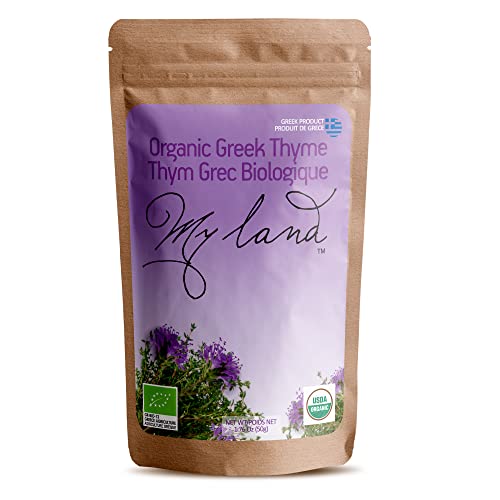
Not all thyme is created equal. The first decision you must make is choosing the specific cultivar that suits your recipe. English Thyme is the most common variety found in bags. It is characterized by smaller leaves and a slightly sweeter, more delicate profile. It is perfect for poultry seasoning or light vegetable dishes. On the other hand, if you are looking for something more robust, look for Mediterranean or Lemon Thyme varieties. These often possess a more pungent, earthy aroma or a bright, citrusy undertone that can stand up to heavy braises and hearty lamb dishes. If the bag doesn't specify the variety, assume it is the standard English variety.
The Importance of Leaf Integrity
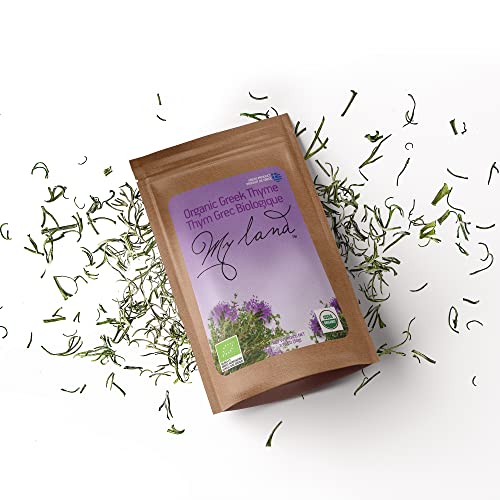
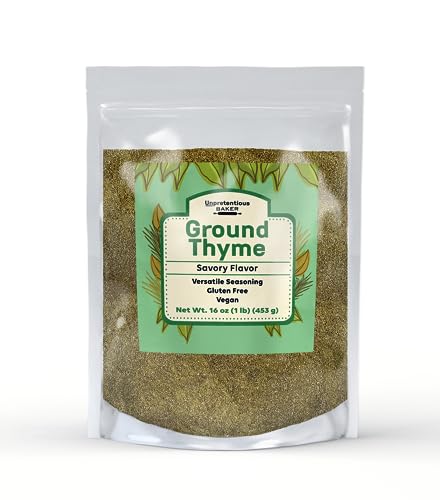
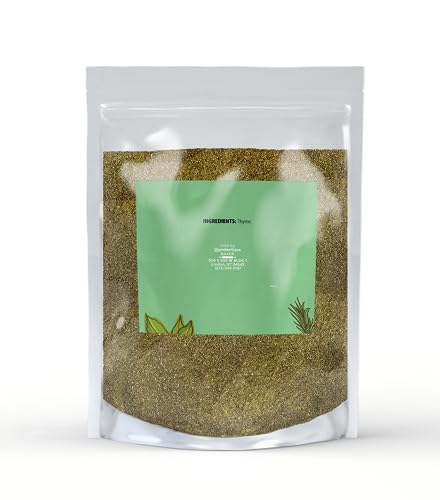
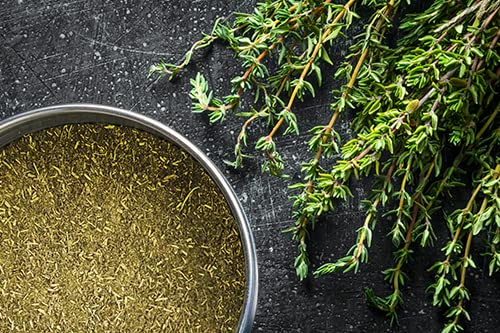
One of the biggest pitfalls in buying bagged thyme is purchasing 'dust.' When you open a bag, look at the texture of the contents. High-quality thyme should consist of recognizable, intact dried leaves rather than a fine powder. While some powder is inevitable in dried herbs, a bag filled with mostly stems and dust will provide a bitter, woody taste rather than the herbal brightness you desire. If you see large, whole leaves, it is a sign that the herb was dried carefully and processed with minimal friction, preserving the essential oils that provide the flavor.
Packaging and Oxidation Protection
Thyme is highly sensitive to light and oxygen. Once the essential oils (such as thymol) begin to oxidize, the herb loses its characteristic scent and becomes flavorless. When shopping, prioritize bags made from opaque, airtight materials. Glass jars are excellent for long-term storage, but for initial purchases, look for resealable pouches that block light. Avoid clear plastic bags that allow sunlight to hit the herbs, as this will accelerate the degradation of the flavor. A tightly sealed environment ensures that the potency remains high from the moment you open the bag until the last leaf is used.
Potency and Color Indicators
Visual cues are your best friend when evaluating the freshness of bagged thyme. Freshly dried thyme should maintain a deep, olive-green color. If the contents of the bag appear grayish, brown, or faded, it is a clear indicator that the herb is old and has lost its potency. A strong, immediate scent upon opening the package is the ultimate litmus test. If you have to bring the bag directly to your nose to catch a faint whiff, the herb is likely past its prime. A premium bag should release a noticeable, savory aroma even through the packaging.
Recommendation Logic: When to Buy Which
For everyday cooking, a standard bag of high-quality dried English thyme is the most cost-effective and versatile choice. However, if you are a professional chef or a serious home cook focusing on specific flavor profiles, invest in specialty varieties like Lemon Thyme. Always prioritize 'whole leaf' over 'ground' when possible, as you can always crush whole leaves to your desired fineness, but you cannot fix a bag of flavorless powder. Finally, always check the 'best by' date. In the world of dried herbs, freshness is the difference between a masterpiece and a mediocre meal.