Understanding Tire Categories and Seasonal Needs
The first step in your selection process is identifying the environment in which your vehicle spends most of its time. Tires are not 'one size fits all.' All-season tires are the most common choice, engineered to provide a balanced compromise between dry grip, wet traction, and light snow capability. However, they are not specialized tools. If you live in a region with prolonged freezing temperatures and heavy snowfall, a dedicated winter tire is non-negotiable. Winter tires utilize a softer silica compound that remains pliable in sub-zero temperatures, whereas all-season rubber can harden and lose grip. Conversely, if you primarily drive in hot, arid climates, summer performance tires offer superior lateral grip and responsiveness, though they become dangerous in cold weather.
Decoding the Sidewall Specifications
To ensure a tire fits your vehicle, you must understand the alphanumeric string on the sidewall. The most important figures are the width, aspect ratio, and diameter. The width is measured in millimeters, the aspect ratio is the height of the sidewall as a percentage of the width, and the diameter is the wheel size in inches. Beyond fitment, look closely at the 'UTQG' (Uniform Tire Quality Grading) ratings. The Treadwear rating tells you how long the tire is expected to last, the Traction rating indicates the tire's ability to stop on wet pavement (AA being the highest), and the Temperature rating measures the tire's resistance to heat buildup. For high-speed highway driving, a higher temperature rating is essential for safety.
Tread Pattern and Noise Profiles
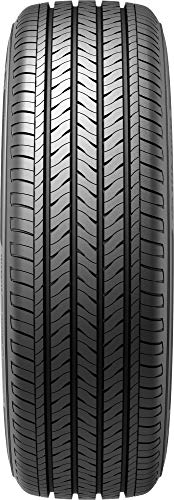
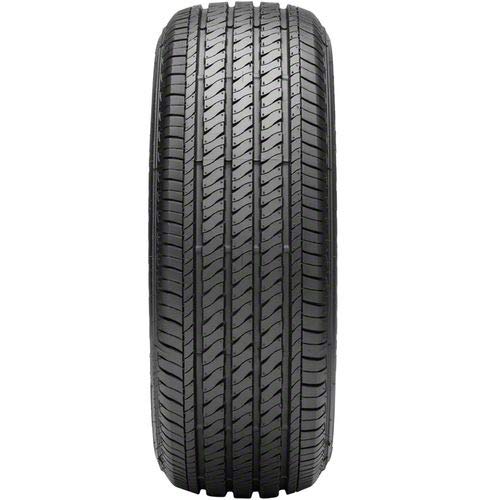
The geometry of the tread dictates how water is evacuated from beneath the tire. Deep longitudinal grooves are essential for preventing hydroplaning in heavy rain. If you are looking for a quiet, comfortable ride for commuting, look for tires with closed shoulder designs and variable pitch tread blocks, which help cancel out road noise. If you are driving an off-road vehicle, you will want an aggressive, wide-spaced tread pattern to allow for self-cleaning of mud and gravel, though be prepared for increased cabin noise and decreased fuel economy on paved roads.
The Importance of Load Index and Speed Rating
Every tire has a specific capacity for weight and velocity. The load index is a numerical code that corresponds to the maximum weight the tire can support. Using a tire with a lower load index than what your vehicle manufacturer recommends can lead to catastrophic sidewall failure. Similarly, the speed rating (often a letter like H, V, or W) indicates the maximum speed the tire can safely sustain. While you may never drive at those speeds, higher speed ratings often imply a more robust internal construction capable of handling higher heat loads, which is beneficial for heavy SUVs and performance sedans alike.