Understanding Tire Categories and Tread Patterns
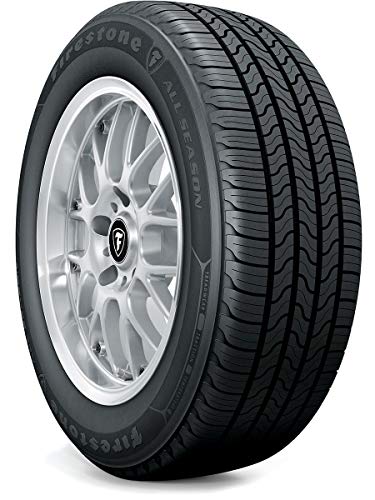
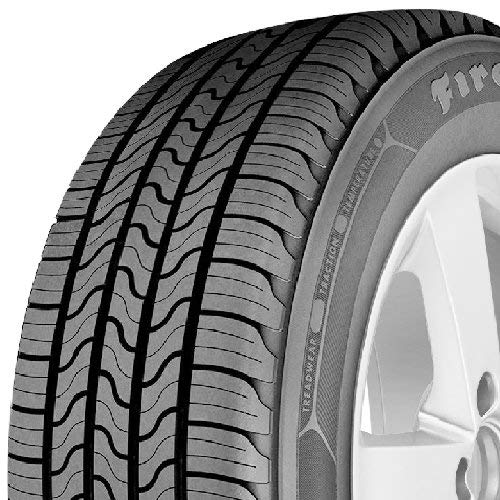
The first step in your selection process is identifying which category of tire matches your primary driving environment. Tires are not one-size-fits-all. The tread pattern is engineered for specific tasks. All-Season tires are the most popular choice for general commuters because they offer a balanced compromise between dry grip, wet traction, and longevity. However, if you live in a region with heavy snowfall, you should look toward dedicated Winter or Snow tires, which feature deeper grooves and specialized rubber compounds that stay pliable in sub-zero temperatures. For those who primarily drive on unpaved roads or off-road trails, All-Terrain tires provide the rugged sidewalls and aggressive tread blocks necessary to prevent punctures and maintain traction in mud or loose dirt.
Decoding the Sidewall Specifications
Every tire carries a string of alphanumeric codes on its sidewall that tells you exactly what it can handle. You must pay close attention to the Load Index and Speed Rating. The Load Index indicates the maximum weight each tire can support. Selecting a tire with a lower index than your vehicle requires can lead to catastrophic failure. The Speed Rating is a letter code that signifies the tire's capability to maintain stability and dissipate heat at high speeds. Beyond these, pay attention to the UTQG (Uniform Tire Quality Grading) ratings. This includes the Treadwear rating, which tells you how long the tire is expected to last, and the Traction rating, which measures the tire's ability to stop on wet pavement. A high treadwear number is great for long-term value, but don't sacrifice traction ratings if safety in the rain is your priority.
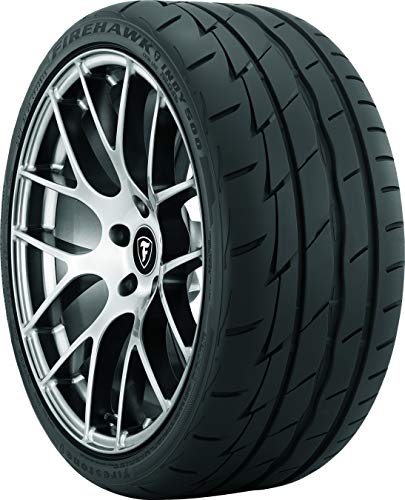
When choosing between different brands and models, you will often face a trade-off between ride comfort and handling precision. Performance-oriented tires often feature a stiffer sidewall to provide sharper steering response and better cornering at high speeds. While this makes the car feel more connected to the road, it can also result in a harsher, noisier ride as you feel more of the road's imperfections. Conversely, touring tires are engineered with softer compounds and more flexible sidewalls to absorb bumps and minimize cabin noise. If your daily commute involves long stretches of highway, prioritizing a 'Touring' classification will significantly reduce driver fatigue. If you drive a sports sedan and value agility, a 'Performance' tire is the better investment.
Evaluating Long-Term Value and Maintenance
The true cost of a tire isn't just the purchase price, but the cost per mile. A cheaper tire that wears out in 20,000 miles is ultimately more expensive than a premium tire that lasts 60,000 miles. Look for tires that offer robust warranties against uneven wear or road hazard damage. Additionally, consider the seasonal availability of replacements. If you opt for a highly specialized racing or extreme off-road tire, ensure you can easily source replacements in your area. To maximize the life of any tire you choose, always plan for regular rotations and alignment checks, as even the best rubber cannot compensate for poor vehicle geometry.