Understanding Tire Categories and Use Cases
The first step in your selection process is identifying your primary driving environment. Tires are generally categorized into four main types: All-Season, Summer, Winter, and All-Terrain. All-season tires are the most popular choice for general commuters because they are engineered to handle a wide range of temperatures and light precipitation. However, they are a compromise. They won't perform as well as a dedicated summer tire in extreme heat, nor as well as a winter tire in deep snow.
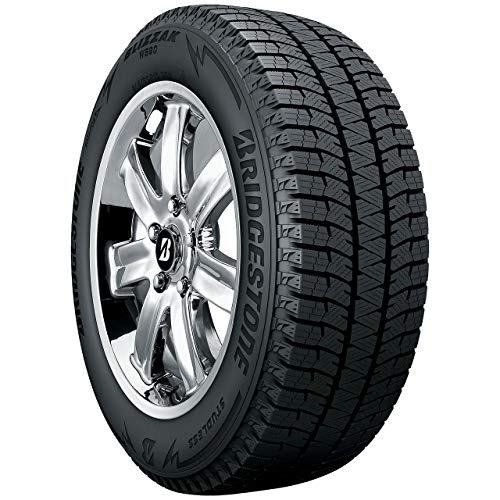
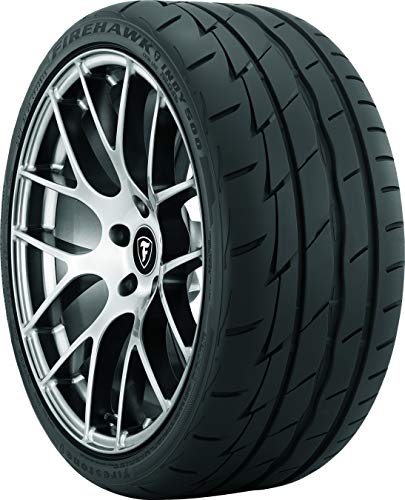
If you prioritize high-speed stability and responsive handling, summer tires are the gold standard. They use softer rubber compounds that remain pliable in warm temperatures, providing exceptional grip. Conversely, if you live in a region with heavy snowfall or freezing temperatures, winter tires are non-negotiable. Their specialized sipes (small slits in the tread) and harder rubber compounds are designed to bite into ice and move slush away from the contact patch.
Deciphering Tread Patterns and Depth
The geometry of the tread determines how a tire interacts with different surfaces. For highway driving, look for a continuous center rib, which helps maintain straight-line stability and reduces road noise. For off-road enthusiasts, look for aggressive, deep tread blocks and wide voids. These voids are essential for 'self-cleaning,' meaning they eject mud, gravel, and stones so the tire doesn't become a smooth, slippery surface. When inspecting tires, always consider the Treadwear Rating. A higher rating indicates a longer-lasting tire, which is ideal for high-mileage commuters, whereas a lower rating often suggests a softer, grippier compound suited for performance driving.
Key Technical Specifications to Monitor
When comparing options, you must look beyond the visual design and focus on the technical metrics. The Load Index and Speed Rating are two vital components found on the sidewall. The Load Index tells you the maximum weight a tire can support, which must meet or exceed your vehicle manufacturer's specifications. The Speed Rating indicates the maximum speed the tire can safely maintain under its rated load. Ignoring these can lead to catastrophic tire failure under stress.
Additionally, pay attention to the UTQG (Uniform Tire Quality Grading) ratings, specifically the Traction and Temperature grades. Traction ratings (AA, A, B, C) measure the tire's ability to stop on wet pavement, while Temperature ratings indicate how well the tire dissipates heat. In high-performance or high-speed driving, a higher temperature grade is essential to prevent overheating and tread separation.
The Long-Term Value Equation
A common mistake is choosing the cheapest tire available. While the initial purchase price is important, you must calculate the 'cost per mile.' A premium tire that lasts 60,000 miles is significantly more cost-effective than a budget tire that requires replacement every 20,000 miles. Consider the rolling resistance as well. Tires with low rolling resistance can actually improve your vehicle's fuel economy, providing long-term savings at the pump that can offset a higher upfront cost.