Material Composition and Durability
The foundation of any reliable hitch step is the material used in its construction. Most premium steps are forged from heavy-duty steel or high-grade aluminum. Steel offers superior strength and resistance to heavy loads, making it ideal for work trucks, but it requires a high-quality powder coating to prevent oxidation. Aluminum is a popular alternative because it is naturally corrosion-resistant and significantly lighter, which reduces the strain on your hitch assembly. When evaluating options, look for 'powder-coated' finishes rather than simple spray paint. Powder coating provides a much thicker, more resilient barrier against road salt, moisture, and physical abrasions from heavy boots.
Load Capacity and Structural Integrity
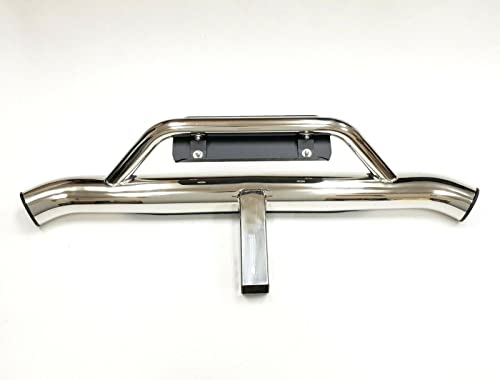
A hitch step is a structural component, and its primary job is to support human weight. You must verify the maximum weight capacity before committing to a product. A step rated for a single person's weight might feel 'bouncy' or unstable if you are wearing heavy work boots or carrying equipment. Look for designs that feature reinforced bracing or a solid platform rather than a thin, hollow tube. Additionally, consider the connection method. The most secure steps are designed to fit snugly into a standard receiver without excessive play. If a step wobbles when you step on it, it can create a jarring sensation that makes the user feel unsafe.
Surface Grip and Safety Features
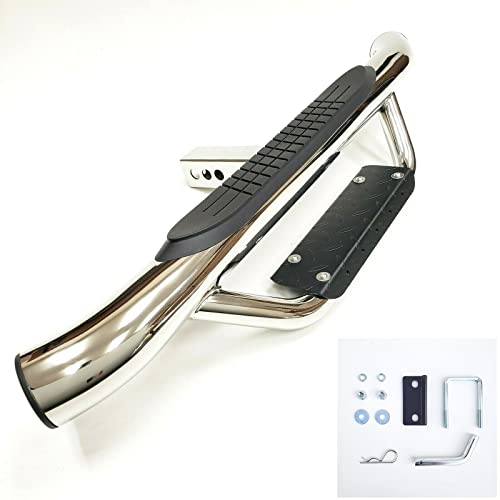
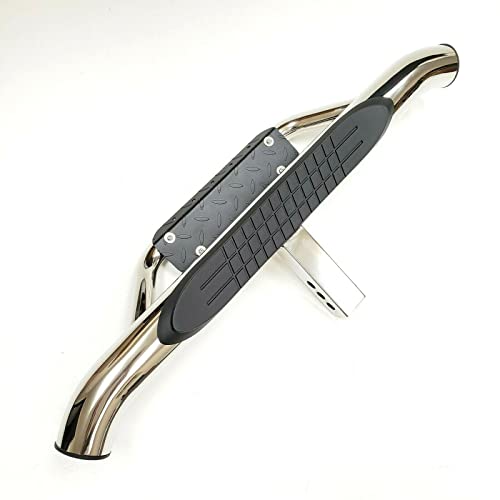
Safety is paramount when you are standing several feet above the ground. The top surface of the step should never be smooth. The best hitch steps utilize textured patterns, knurled surfaces, or integrated rubberized grips to ensure traction in wet, muddy, or icy conditions. If you frequently use your vehicle in inclement weather, prioritize models with deep-tread patterns that allow debris to fall away rather than pooling on the surface. Some advanced designs even include non-slip side rails to provide a handhold while ascending, which is a significant advantage for those with limited mobility or when carrying heavy loads.
Compatibility and Installation Ease
Before purchasing, you must confirm the size of your vehicle's receiver. While most modern trucks use a standard size, some smaller SUVs or specialized vehicles may require different dimensions. A 'universal' fit is often a marketing term that can lead to installation headaches. Instead, look for steps specifically engineered for your vehicle's class. Furthermore, consider the installation process. Some steps require bolting directly into the frame, while others use a simple drop-in method. While drop-in steps are easier to install, bolted-on versions generally offer a more integrated, permanent look and higher levels of stability under heavy use.
Aesthetics and Vehicle Integration
Finally, consider how the step complements your vehicle's design. If you have a rugged, off-road build, a matte black, textured steel step will blend seamlessly. If you drive a luxury SUV, a polished aluminum or chrome-finished step might be more appropriate. A well-chosen hitch step should look like a factory-installed component rather than an afterthought.