Understanding Scale and Proportion
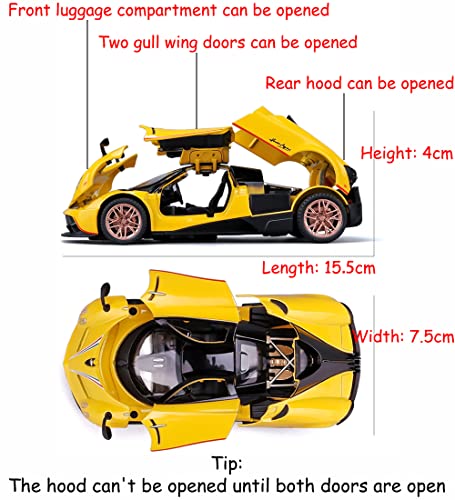
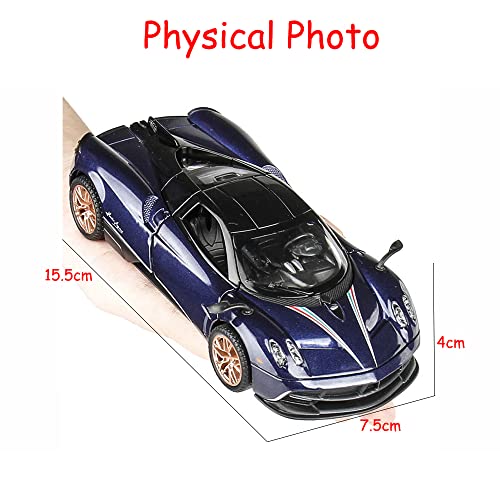
One of the first decisions you will face is the scale of the vehicle. In the world of toy cars, scale refers to the ratio of the toy's size to the size of a real-world vehicle. For ipariser collections, you will often encounter different tiers. Smaller, pocket-sized cars are ideal for 'on-the-go' play and are perfect for younger children who may be prone to losing pieces. These are often better suited for sensory play or building massive, sprawling cityscapes with tracks. On the other hand, larger-scale models offer much higher fidelity. If you are looking for a vehicle that showcases intricate engine details, realistic interior seating, and accurate dashboard layouts, opt for a larger scale. These are generally preferred by older children and adult collectors who prioritize visual accuracy over portability.
Material Integrity and Durability
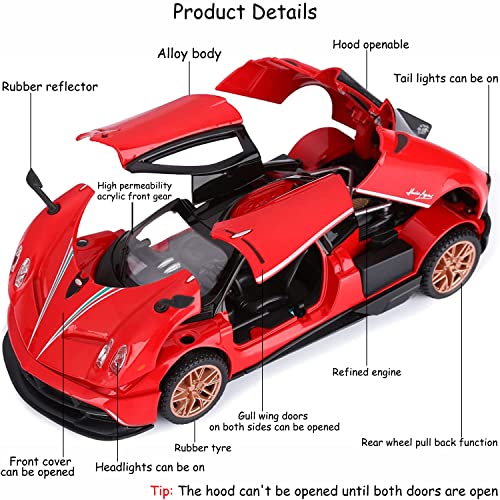
The longevity of a toy car is heavily dictated by its construction material. Most high-quality ipariser vehicles utilize a die-cast metal chassis, which provides a satisfying weight and significant resistance to impact. Metal construction is essential for cars that will be used in high-speed racing or frequent crashes. However, pay close attention to the secondary materials. High-grade ABS plastic is often used for bumpers, spoilers, and windows to provide a balance of flexibility and strength. Avoid vehicles that rely heavily on thin, brittle plastics, as these are prone to cracking during vigorous play. For younger children, ensure that any plastic components are rounded and free of sharp edges to maintain safety during tactile exploration.
Mechanical Features and Play Value
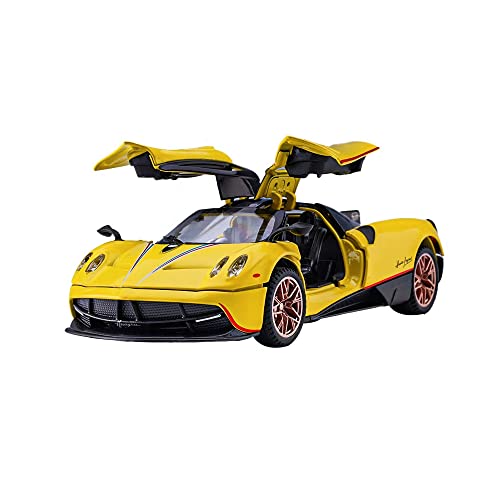
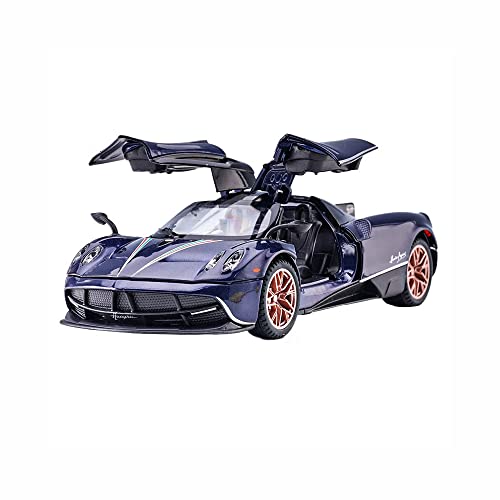
What makes a toy vehicle truly engaging is how it moves. When evaluating ipariser cars, consider the 'action' elements. Some models feature pull-back motors, which allow the car to zoom forward with a single flick of the wrist—a favorite for younger kids. Others may feature working suspension, allowing the car to navigate uneven terrain or 'off-road' surfaces realistically. If you are looking for a more stationary, display-oriented vehicle, look for models with opening doors, hoods, or trunks. This level of articulation adds a layer of storytelling potential, allowing children to interact with the 'mechanics' of the car rather than just rolling it across a floor.
Theme and Collection Synergy
Finally, consider whether you are buying a standalone piece or building a cohesive ecosystem. Many enthusiasts prefer to stick to a specific theme, such as vintage muscle cars, modern supercars, or rugged utility vehicles. Buying within a specific theme ensures that the aesthetic style remains consistent when you display them together. If the vehicle is intended for a child, check if it integrates well with existing track sets or playsets. A car that is too wide for standard tracks, or too heavy for plastic launchers, can lead to frustration. Aim for a balance between individual character and collective compatibility to ensure your collection grows in a meaningful way.