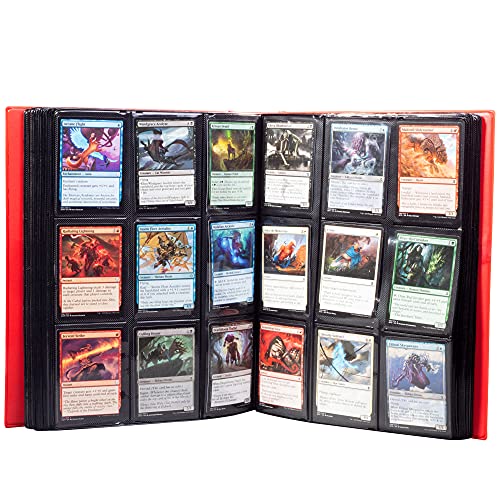
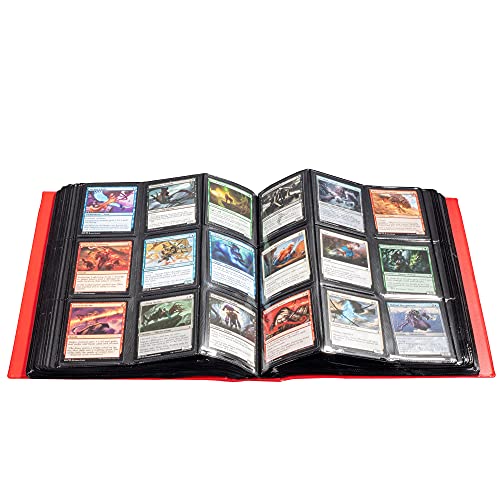
Pocket Capacity and Page Density
When browsing monster protector albums, the first metric to consider is capacity. Collectors generally fall into two camps: the 'completionists' who aim to house every card in a set, and the 'specialists' who focus on high-value singles. If you are a completionist, look for high-capacity binders with 9-pocket or 4-pocket layouts that offer hundreds of slots. However, be wary of overly dense pages. If the sleeves are packed too tightly, the pressure can cause cards to stick or bend over time. For specialists, smaller, more flexible albums with fewer pages allow for better movement and easier browsing, preventing the bulk that makes heavy albums difficult to handle.
Sleeve Material and Archival Safety
The most vital component of any monster protector album is the quality of the inner sleeves. You must ensure that the material is acid-free and PVC-free. Acidic materials can cause 'off-gassing,' a chemical reaction that leads to discoloration, yellowing, or a sticky residue on your trading cards. For monster collectors, whose cards often feature heavy ink saturations and metallic foils, archival-grade polypropylene is the gold standard. This material provides a crystal-clear view of your monster's artwork while offering a barrier against moisture and oxygen, which are the primary culprits of card degradation.
Binding Style and Durability
The mechanics of the album determine how often you can actually enjoy your collection. Ring binders are popular because they allow you to add or rearrange pages easily. However, if the rings are not high-quality, they can snag the top of your card sleeves, causing permanent damage. D-ring binders are superior to O-rings because they hold pages more securely and prevent them toppling. On the other hand, fixed-page, side-loading binders offer a much more streamlined, 'book-like' experience. These are often preferred by collectors who want a premium aesthetic and a more stable environment for their cards, as there are no metal rings to cause pressure points.
Protection Against the Elements
A true monster protector album should offer more than just internal sleeve protection. Look for albums with hard-shell exteriors, such as reinforced polypropylene or high-grade synthetic leather. These materials provide a structural shield against accidental drops and crushing forces. Additionally, consider the closure mechanism. Zipped binders are excellent for preventing dust, hair, or humidity from entering the album, making them ideal for long-term storage. If you prefer a more casual display style, ensure the album has a sturdy spine that won't crack under the weight of a full collection.
Recommendation Logic
To make your final decision, match the album type to your collection's primary goal. If your goal is long-term archival storage for a massive collection, prioritize a heavy-duty, zippered, D-ring binder with acid-free, thick-gauge sleeves. If your goal is frequent display and showcasing, opt for a slim, side-loading fixed-page binder that emphasizes clarity and ease of handling. Always prioritize sleeve quality over aesthetic flourishes. A beautiful album is useless if the material inside destroys the cards it was meant to protect.