Prioritizing Natural Materiality
The foundation of any successful country design lies in the authenticity of its materials. When selecting furniture or decor, look for elements that feel as though they were harvested from the landscape. Solid hardwoods—such as oak, pine, or cherry—are essential for pieces like dining tables and shelving. Avoid high-gloss finishes or synthetic laminates that mimic wood, as these lack the tactile depth required for this aesthetic. Instead, opt for matte, satin, or slightly distressed finishes that highlight the natural grain and character of the timber. In textiles, prioritize linen, cotton, and wool. These breathable, natural fibers age gracefully and provide the soft, tactile contrast needed against hard wooden surfaces.
Balancing Pattern and Palette
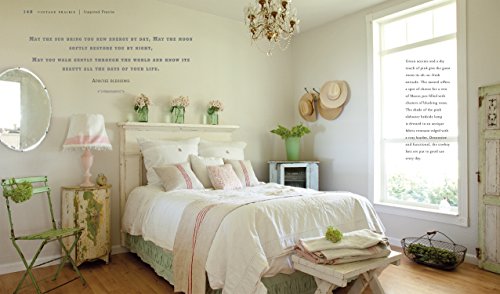
A common pitfall in country design is falling into the trap of 'theme park' decor by overusing predictable motifs. To achieve a sophisticated look, focus on a cohesive color palette inspired by the countryside: sage greens, dusty blues, warm creams, and earthy ochres. Once your palette is set, introduce patterns with intention. Floral prints, ginghams, and subtle stripes are staples, but they should be layered rather than matched perfectly. A great rule of thumb is to mix scales. Pair a large-scale botanical print on a cushion with a small-scale windowpane check on a throw. This layering creates visual interest and prevents the room from feeling static or overly formal.
The Importance of Scale and Proportion
Traditional country design thrives on a sense of abundance, but too much bulk can make a room feel claustrophobic. When choosing larger design pieces, such as armchairs or sideboard cabinets, consider the flow of your space. A heavy, oversized wingback chair is a classic choice, but it needs enough 'breathing room' around it to remain a focal point rather than an obstacle. Conversely, in smaller spaces, look for 'legged' furniture—pieces that sit on slender wooden feet rather than solid bases. This allows light to pass underneath, maintaining the airy, rustic feel even when the decor is rich and detailed.
Selecting Accents and Hardware
The final layer of design involves the small, functional details that tie a room together. When selecting hardware for cabinetry or lighting fixtures, look for aged metals like antique brass, wrought iron, or copper. These materials develop a patina over time, which aligns perfectly with the 'timeless' ethos of the style. Avoid polished chrome or high-shine nickel, as these can feel too clinical and disrupt the warmth of the environment. For decorative accents, seek out items that tell a story—hand-thrown ceramics, woven baskets, or vintage-inspired stoneware—to ensure your design feels curated rather than mass-produced.