Fabric Technology and Aerodynamics
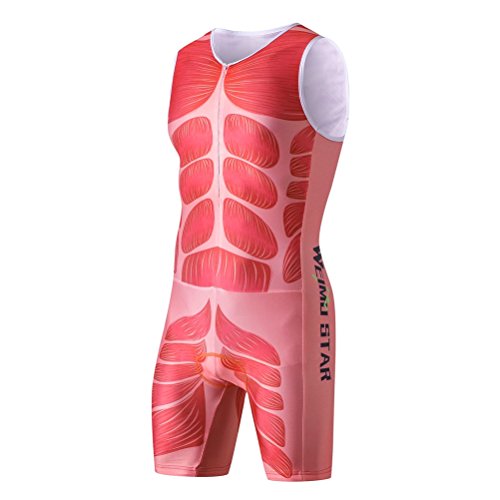
The primary purpose of a skinsuit is to reduce drag. When evaluating options, look closely at the fabric construction. High-end suits often utilize dimpled textures or specialized weaves in high-airflow zones (like the shoulders and arms) to trip the boundary layer of air, effectively reducing the wake behind the athlete. This is known as aerodynamic optimization. Beyond drag, you must consider the 'weight-to-stretch' ratio. The fabric should be tight enough to provide a streamlined silhouette without being so compressive that it restricts your diaphragm during the swim or your hip flexion during the bike leg. Look for hydrophobic properties in the swim-facing sections to ensure the suit doesn't become a heavy, waterlogged sponge.
Compression and Muscle Support
Strategic compression is a major decision factor. Many elite skinsuits feature graduated compression zones designed to improve blood flow and reduce muscle oscillation during the run. However, compression is subjective. If a suit is too aggressive, it can lead to premature fatigue or digestive discomfort during the transition to the run. A well-designed suit will offer targeted compression in the core and thighs to support stability, while allowing for more flexibility in the joints. Always prioritize suits that offer a 'second skin' feel, ensuring that the compression is helping your efficiency rather than hindering your range of motion.
Seam Construction and Chafing Prevention
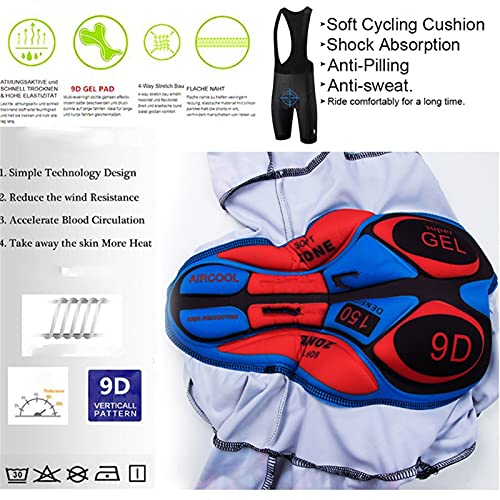
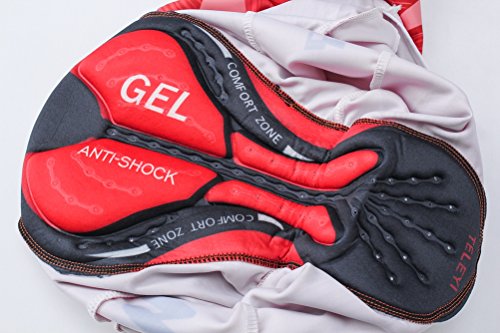
In a triathlon, chafing is a performance killer. Because you are moving through water, then sitting on a saddle, and finally running, the friction points are immense. Avoid suits with heavy, raised seams in the inner thigh or underarm areas. Instead, look for flatlock stitching or bonded (seamless) construction. Bonded seams are particularly effective as they create a smooth surface that minimizes both physical irritation and aerodynamic turbulence. Pay special attention to the chamois (the padding). A triathlon-specific chamois is typically thinner and more streamlined than a standard cycling pad. It needs to be substantial enough to protect you on the bike but low-profile enough that it doesn't cause discomfort or bulk during the run.
Thermal Regulation and Breathability
Triathlons often take place in varying environments, from humid summer heat to chilly morning swims. A versatile skinsuit should feature multi-fabric zoning. This means the suit uses highly breathable, mesh-like panels in areas prone to high sweat production (like the back and underarms) while using more durable, aerodynamic fabrics on the front. This zoning helps regulate your core temperature, preventing overheating during the run while maintaining the aerodynamic profile needed for the bike. If you frequently compete in cooler climates, look for suits that offer lightweight thermal properties without sacrificing the moisture-wicking capabilities required to keep you dry.
The Fit and Transition Logic
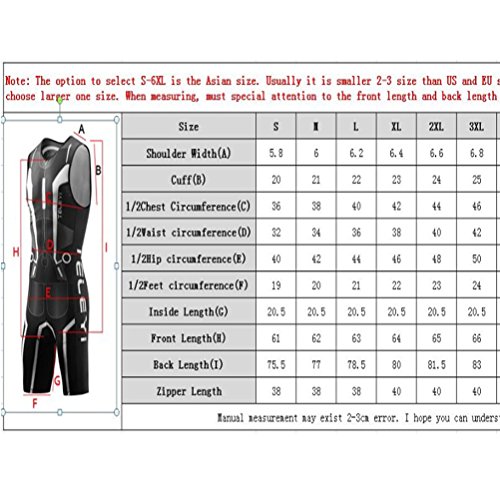
Finally, consider the ease of use. A skinsuit that is incredibly aerodynamic but impossible to pull on or take off can ruin your transition times. Check the zipper quality. A smooth, high-grade zipper is essential for quick adjustments. The fit should be snug across the chest and hips to prevent the fabric from flapping in the wind, but it must allow for the expansion of your lungs during the swim. When testing a suit, simulate the movement of all three disciplines—reach forward as if swimming, lean forward as if cycling, and check for any pulling in the crotch area as if running.