Understanding Connection Types and Geometry
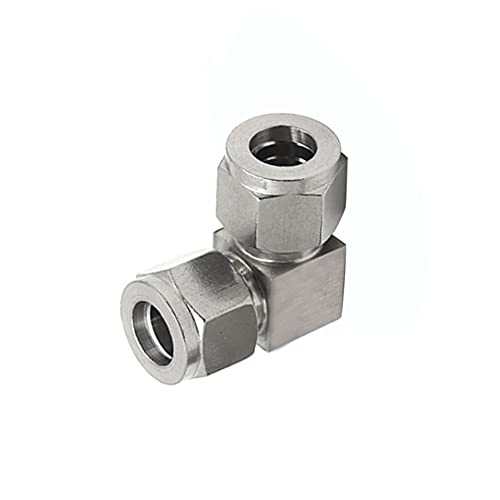
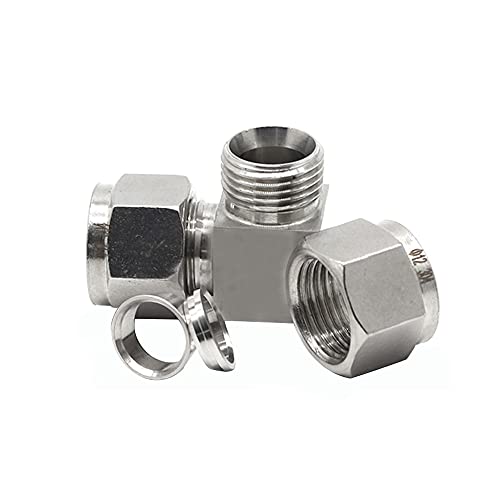
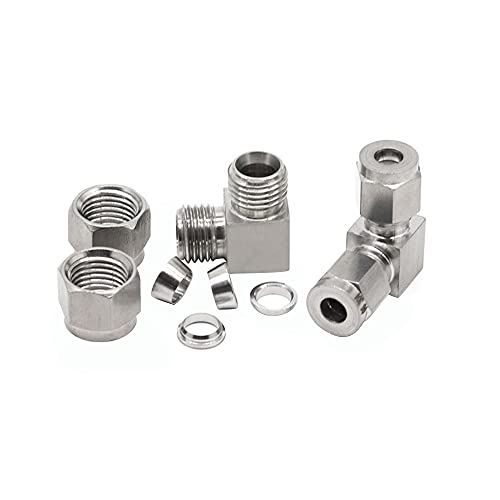
The first decision you must make is the geometry of the fitting. Tube fittings generally fall into two categories: compression fittings and push-to-connect fittings. Compression fittings utilize a ferrule (a small ring) that is squeezed onto the tubing to create a mechanical seal. These are superior for high-pressure applications and environments where vibration might loosen a connection. On the other hand, push-to-connect fittings offer rapid installation and removal, making them ideal for low-pressure pneumatic systems where frequent reconfiguration is required. You must also consider the thread type—whether you need NPT (tapered) for a permanent, leak-proof seal or BSPP (parallel) for applications where an O-ring or washer will handle the sealing. Misidentifying the thread standard is the most common cause of installation failure.
Material Compatibility and Chemical Resistance
Because tube fittings often sit at the junction of two different media, the material choice is critical. If you are working with corrosive chemicals, stainless steel is the gold standard due to its resistance to oxidation and chemical degradation. However, for lightweight pneumatic applications, brass or even high-grade polymers may be more cost-effective and easier to manipulate. When selecting a fitting, always cross-reference the material of the fitting with the fluid being transported. For example, using a copper fitting in a system with certain acidic fluids can lead to rapid galvanic corrosion, compromising the seal and potentially contaminating your entire line.
Pressure Ratings and Temperature Thresholds
Every fitting has a maximum working pressure and a maximum operating temperature. A common mistake is selecting a fitting based solely on the tubing diameter while ignoring the pressure requirements of the system. High-pressure systems require thicker walls and more robust ferrule designs to prevent the fitting from 'creeping' or blowing off the tube. Similarly, temperature plays a massive role in seal integrity. Elastomers and O-rings used within the fittings can harden and crack in extreme cold or soften and deform in extreme heat. Always check the manufacturer's specifications to ensure the fitting can handle the thermal expansion and contraction cycles your specific application will undergo.
Seal Integrity and Leak Prevention
The method of sealing is what ultimately determines the longevity of your connection. Look for fittings that offer multi-point sealing. In high-stakes environments, a fitting that relies on a single metal-to-metal contact may be less reliable than one that utilizes a specialized polymer insert or a secondary O-ring. If your application involves gas, even a microscopic leak can lead to significant pressure loss over time. In these cases, prioritize fittings designed for vacuum or high-purity gas applications, which feature tighter tolerances and smoother internal bores to prevent turbulence and contamination.