Compatibility and Connector Integrity
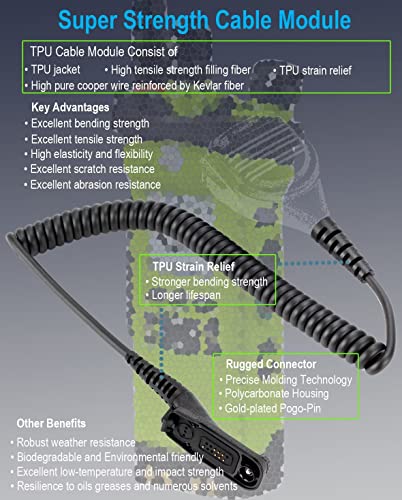
The most critical factor in selecting a radio microphone or headset is the physical connection. Two-way radios utilize various proprietary connector types, ranging from multi-pin heavy-duty connectors to smaller, single-pin audio jacks. Even if a connector looks similar, the pin configuration and wiring must match your specific radio brand and model series to avoid short-circuiting the device or, worse, receiving no audio at all. When shopping, prioritize accessories that specify compatibility with your exact radio housing. Look for reinforced strain relief at the cable entry point. This is where most failures occur due to constant pulling and twisting during active duty.
Not all microphones are created equal. If you are working in a construction zone, a busy warehouse, or near heavy machinery, a standard electret microphone will struggle to isolate your voice from the ambient roar. You should look for microphones featuring active or passive noise-canceling technology. High-quality headsets often use directional microphones that focus on the sound waves traveling from your mouth while filtering out lateral environmental noise. Furthermore, consider the 'gain' and sensitivity of the microphone. A high-sensitivity mic allows you to speak at a natural volume without shouting, which is essential for maintaining professional decorum and reducing listener fatigue during long shifts.
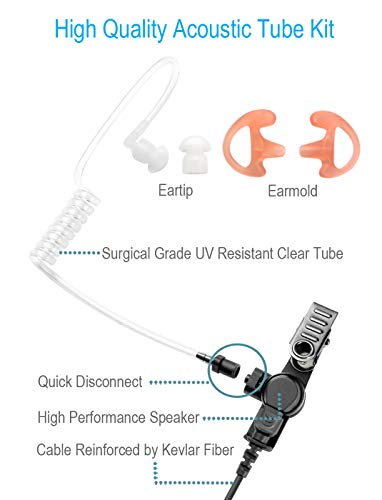
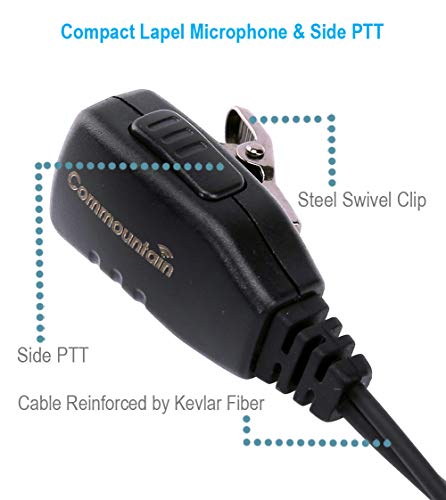
Your choice should be dictated by your operational workflow. If your job requires constant movement and both hands for tasks like driving or operating machinery, a lightweight headset with a secure, adjustable headband is non-negotiable. For security personnel who need to communicate discreetly, an acoustic tube earpiece is the gold standard. These use a clear, coiled tube to deliver sound directly into the ear canal, making the communication nearly invisible to bystanders. Conversely, if you are in a high-intensity tactical environment where you need to hear ambient sounds around you, a remote speaker microphone (RSM) clipped to your shoulder is better. An RSM allows you to trigger transmissions without removing your headset, providing a balance of hands-free utility and situational awareness.
Durability and Environmental Ratings
Radio accessories are frequently exposed to the elements. If your work involves outdoor patrols, rain, or dusty environments, look for accessories with an Ingress Protection (IP) rating. A higher IP rating ensures that moisture and fine particulates cannot penetrate the microphone capsule or the connection port. Additionally, consider the cable material. Coiled cables are excellent for providing flexibility and preventing tangles, but they should be made of high-grade polyurethane to resist cracking in extreme cold or melting in high-heat conditions. For heavy-duty industrial use, look for 'ruggedized' housings that can withstand drops on concrete without shattering the internal components.