Material Durability and Surface Type
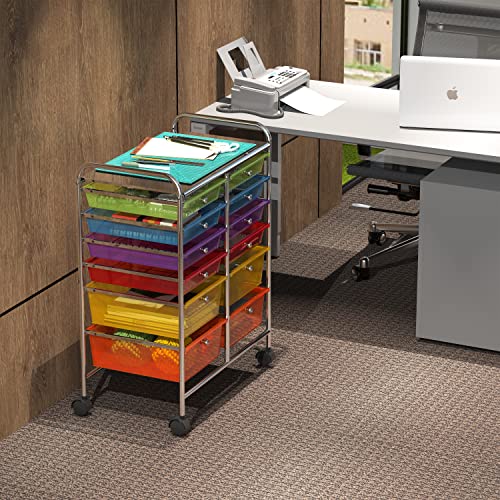
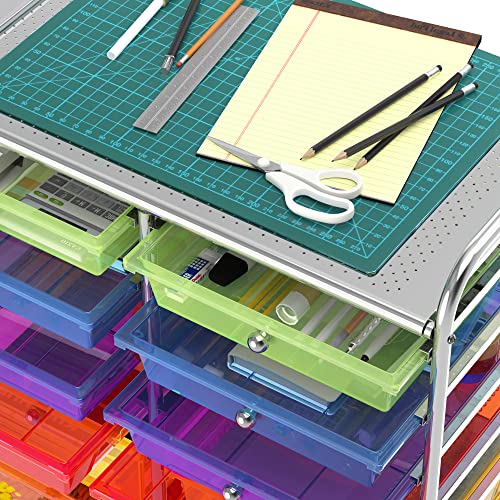
The first decision factor is the material of the frame and the shelving. Metal carts, typically constructed from powder-coated steel, are the gold standard for heavy-duty utility. They offer superior resistance to bending under weight and are easier to sanitize, making them ideal for kitchens or garage use. If you are looking for something more aesthetically focused for a living room or bedroom, wood or bamboo options provide a warmer, more furniture-like feel, though they may be more susceptible to moisture damage. When choosing, consider the environment: a bathroom cart needs to withstand humidity, while a craft cart needs a surface that won't scratch delicate tools.
Wheel Mechanics and Maneuverability
The wheels are the most critical component of any mobile cart. There are two primary types of caster configurations to consider. First, look for the presence of locking mechanisms. A high-quality utility cart should have at least two wheels that can be locked in place to prevent the cart from drifting when you are trying to access items. Second, consider the wheel material. Hard plastic wheels are excellent for smooth, indoor surfaces like hardwood or tile, as they glide easily. However, if you plan to move the cart across area rugs or uneven surfaces, look for rubberized or soft-tread wheels. These provide better shock absorption and won't scratch delicate flooring.
Weight Capacity and Load Distribution
Before purchasing, you must audit what you intend to store. A cart used for heavy canned goods or kitchen appliances requires a significantly higher weight capacity than one used for art supplies or towels. Check the manufacturer's specifications for 'static load capacity' (how much it holds while sitting still) and 'dynamic load capacity' (how much it can safely hold while being pushed). A common mistake is overloading a cart that has a high capacity on the top shelf but a weak bottom shelf. For maximum stability, always place your heaviest items on the lowest tier to lower the center of gravity and prevent tipping.
Tier Configuration and Storage Versatility
The number of tiers directly impacts the cart's utility. Three-tier carts are the industry standard, offering a balance between storage volume and ease of access. However, if you are working in a tight corner, a slim, two-tier model might be more efficient. Pay close attention to the depth of the shelves. Deeper shelves allow for bulkier items but can make it difficult to reach things tucked in the back. Some premium utility carts also feature side attachments, such as hooks, pegboards, or magnetic strips, which add an extra dimension of organization for small tools or utensils.
Assembly and Ease of Maintenance
Finally, consider the assembly process. Many utility carts arrive flat-packed and require manual assembly. Look for designs that utilize intuitive interlocking parts or minimal hardware to save time. For long-term use, consider how easy the cart is to clean. Open-wire mesh shelving is excellent for airflow and preventing dust buildup, but solid shelves are better for preventing small items from falling through. Match the cleaning requirements to your lifestyle to ensure your cart remains a functional asset rather than a maintenance burden.